
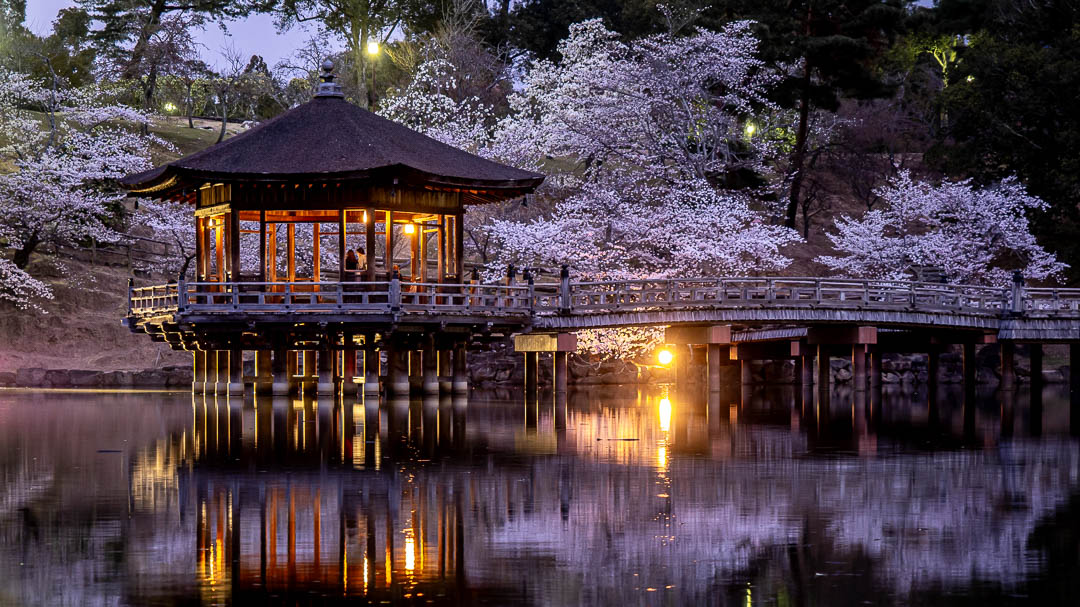
A picturesque pavilion in early evening on a lake in Nara, Japan with cherry blossoms
Every traveller contemplating a visit to Japan has no doubt seen countless photos of pink cherry blossoms exploding all over the country in the spring. Even if many of these photos are so over-saturated that they don’t reflect reality, there’s an undeniable allure to this time of year that makes this particular season in Japan incredibly busy. But it’s not just travellers from outside the country that come to see this spectacle – the Japanese are enamoured with this season and add to the congestion you’ll find anywhere there is a tree in bloom. Which begs the question: should you travel to Japan during cherry blossom season or not? Henk and I weighed the pros and cons of this decision ourselves when we were planning our first visit to Japan, and ultimately we decided to go when the blossoms were in peak bloom. And having done this we can now offer reasons why you should – or should NOT – do the same.
The Significance of Sakura
‘Sakura’ is the Japanese word for cherry blossom tree, and it is so much a part of the culture here that you will even find seasonal sakura-flavoured confections in stores around the country (Kit Kat bars for one). Cherry blossoms are the ‘unofficial’ national flower of the country, embodying beauty and mortality, life and death, and the vibrancy (and brevity) of life. It is because of this symbolism that cherry blossoms have figured prominently in Japanese art, literature, history, textiles, and daily life for thousands of years.
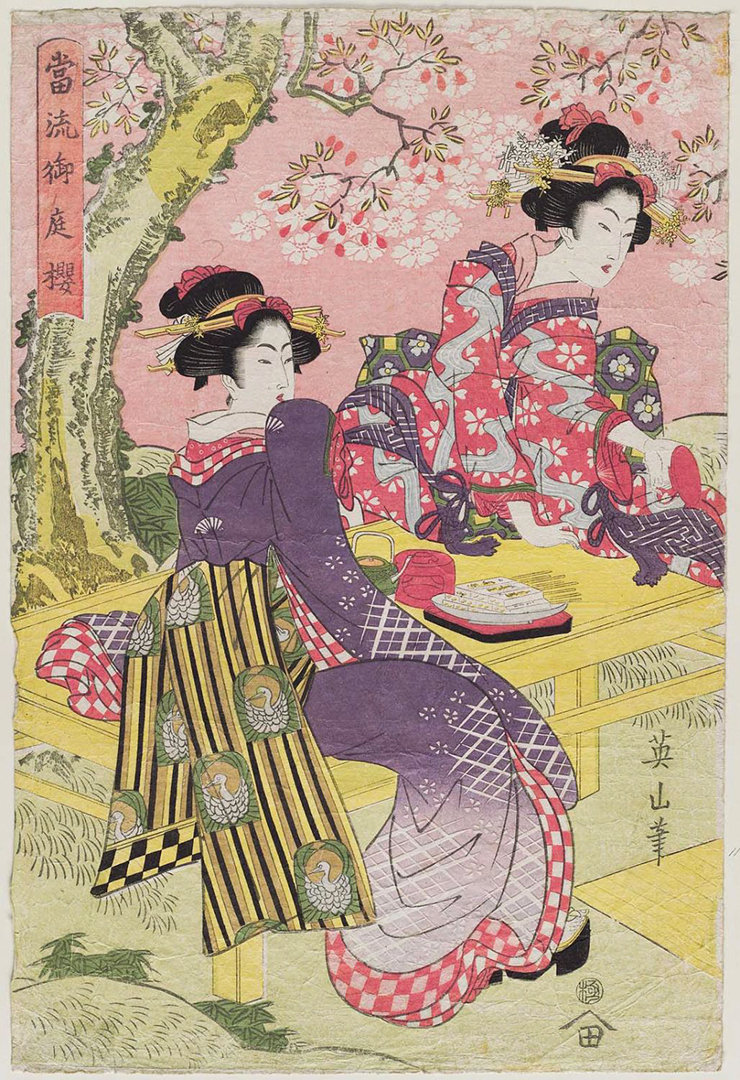
Kikugawa Eizan print of cherry blossoms in a palace garden, Edo period
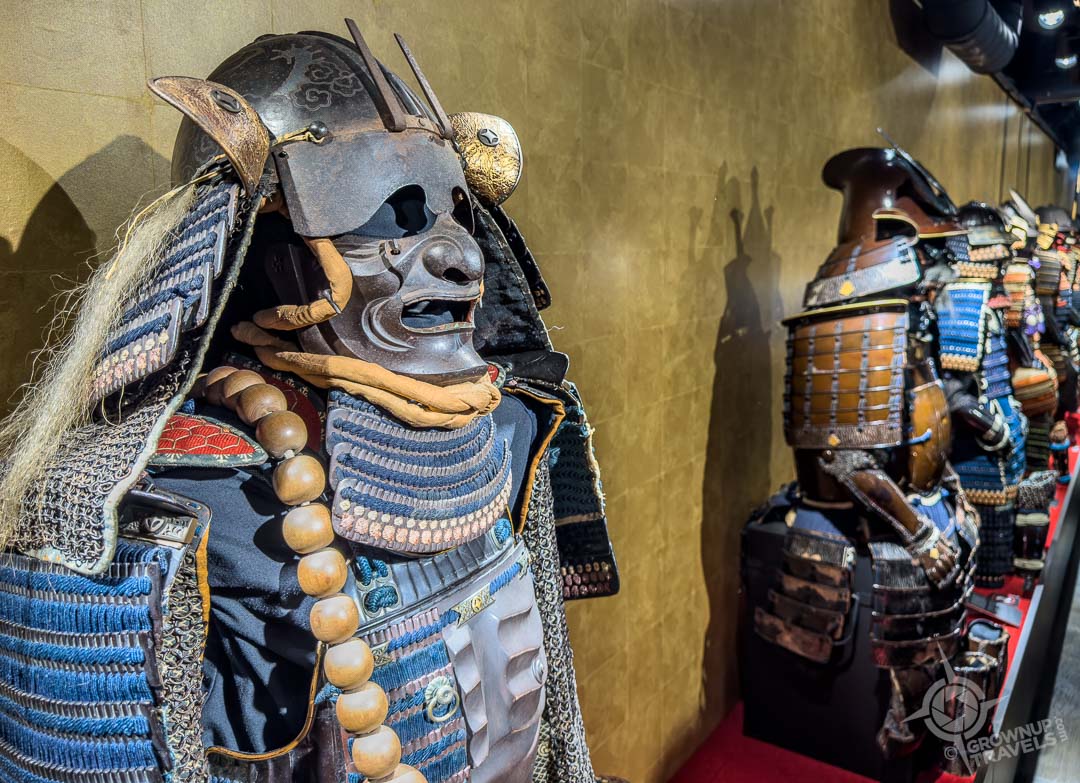
Even samurai, the famous warriors of feudal Japan, are linked to the beautiful sakura, in that their lives were often short like that of the blossoms, but rich and colourful at the same time. This warrior association even carried to modern-day soldiers – the World War II suicidal kamikaze pilots had planes that were named ‘Ohka’ (the word for cherry blossom). Because these planes were constructed with no landing gear and with no plan to return to base, pilots like Tetsushiro Morioka described themselves in their wills as ‘like beautiful falling cherry petals for the Emperor’, destined to give their lives in the service of the country.
On a less violent note, flower viewing, a spring tradition called hanami, dates back centuries as well, and is still very much an activity in modern day Japan. Although hanami refers to all flowers, the practice has become synonymous with cherry blossom viewing in particular, with people gathering under the blushing trees to picnic with family and friends, drink sake, contemplate the petals, or just spend time together to celebrate the fleeting beauty all around them.
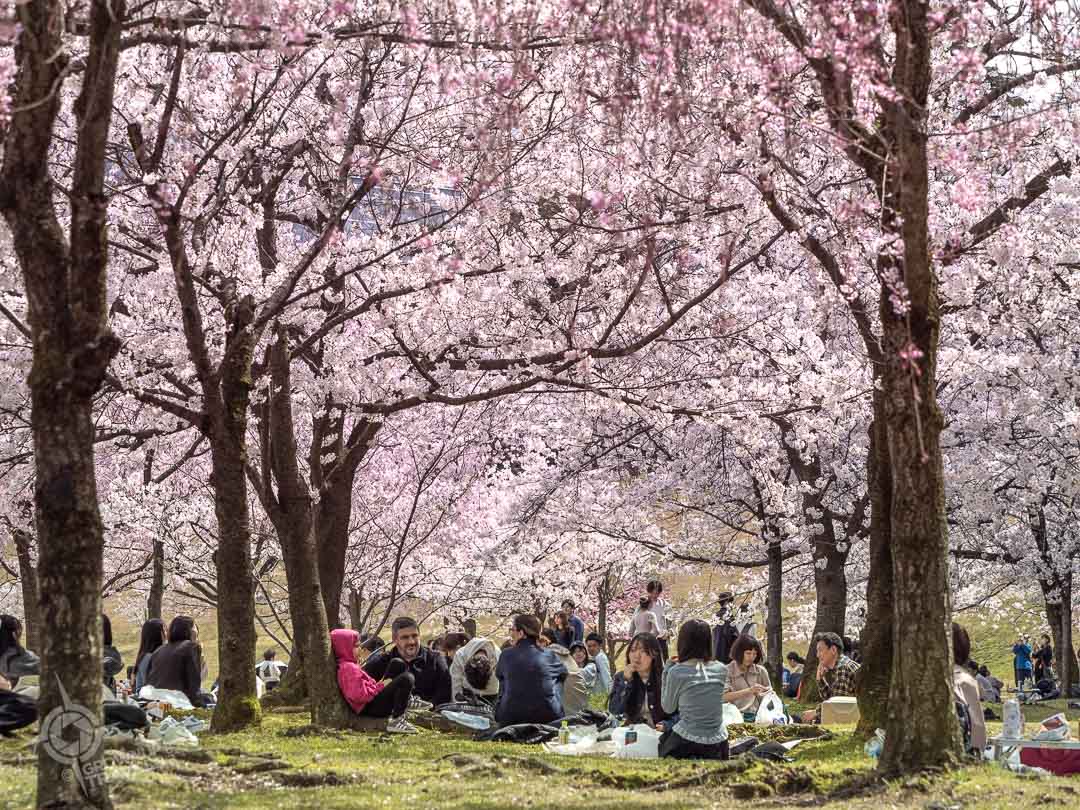
People enjoying ‘hanami’ in Kanazawa
It is that fleeting beauty of cherry blossom season that causes so much congestion, especially in popular historic destinations like Kyoto, Nara, and Mt. Fuji. It has gotten so bad in some of these places that the city-run sakura festival near Mt. Fuji had to be cancelled in 2026 because of overtourism.
So what does this mean for the traveller? To blossom, or not to blossom?
7 Reasons to Definitely Visit Japan in the Sakura Season
Even if you are not well-versed in the cultural significance of the cherry blossom, there are still good reasons to visit Japan during this popular spring season. Here are some reasons why we think sakura season is worth experiencing.
1. PHOTOS
If you are a photographer, sakura season is one of the most beautiful to capture in images not just for the blossoms themselves, but for the way they enhance shots of historic castles, monuments, landscapes, etc. This is also true because in early spring in many parts of Japan, cherry blossoms are one of the few trees that are full and lush with flowers, unlike later-blooming trees which are still bare and leafless. (Definitely not nearly as photogenic as pink and white blooming branches.)
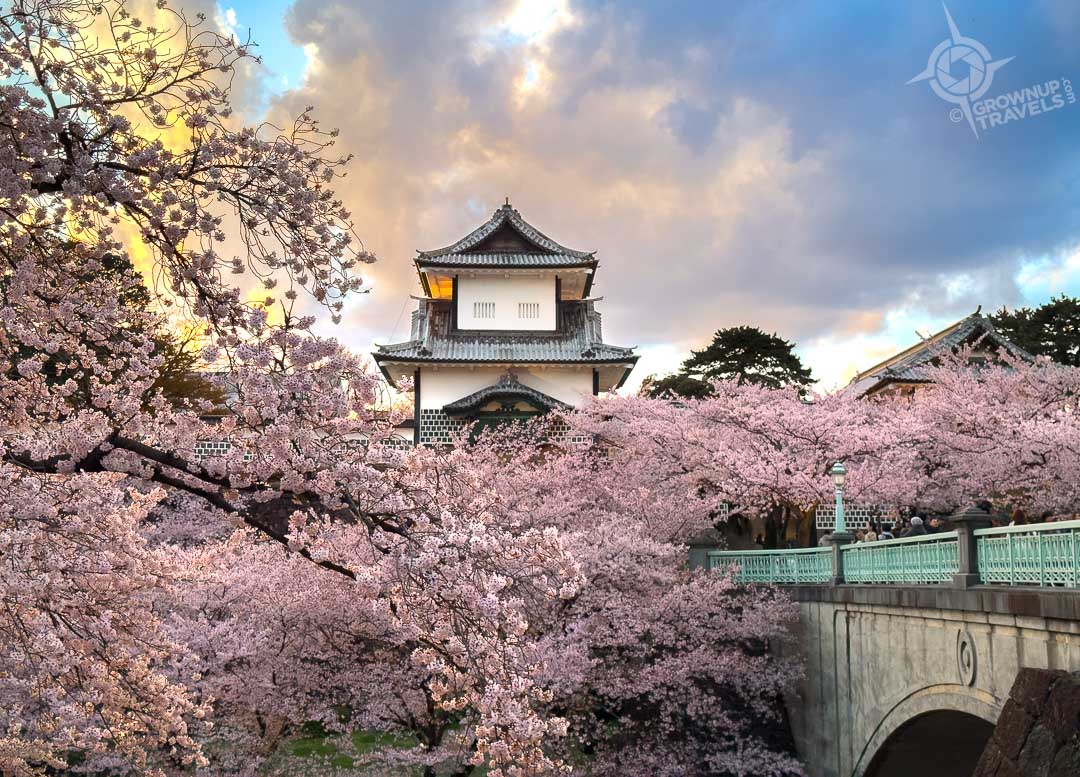
Kanazawa castle bridge gate at dusk with cherry blossom trees
TIP: Rather than trying to get a wide landscape shot of a location hoping for ‘no people’ (which is impossible), closeup images may be another way to go, or ‘framing’ the monuments with blossoms is another option. Either way, be careful not to damage the trees, and never go in areas that are off-limits just to get that ‘perfect’ shot.
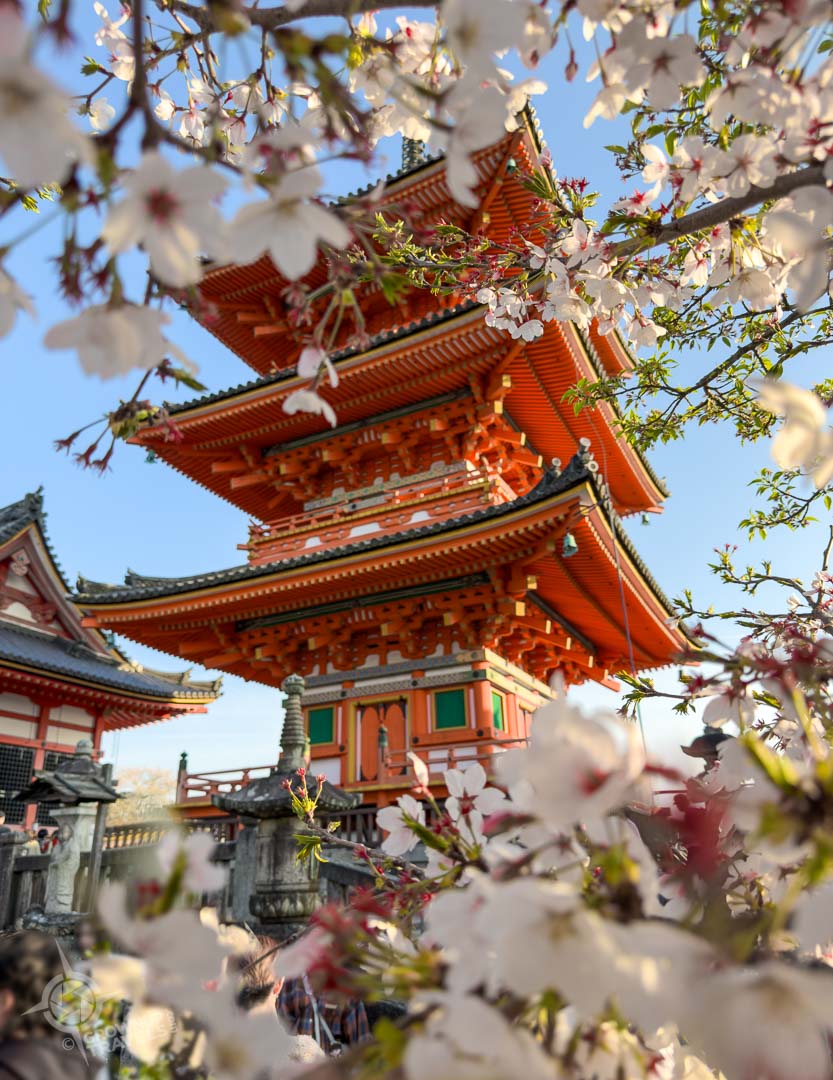
Kiyomizu-dera temple pagoda in Kyoto
2. WEATHER
Japan in late March/early April is very pleasant, with many places in the southern regions seeing temperatures in the mid-high teens Celsius, (or mid-high 60s Fahrenheit). This is much more comfortable weather for touring around and visiting historic sites and temples, compared to Japan’s summer where the heat and humidity in places like Tokyo can make it extremely unpleasant.
TIP: If you are thinking (as Henk and I were) that visiting in the fall to see the colours in Japan might be a better option weather-wise and equally good for photography, we learned that leaf-viewing in the fall is almost as popular as enjoying cherry blossoms in the spring – both for Japanese and international visitors.
3. KIMONOS
Cherry blossom time is when you will see a lot of locals (and visitors) donning pretty kimonos and wearing them around the cities and towns. This is partly in celebration of the season, and also partly due to weather, when cooler spring temperatures are more conducive to wearing multi-layered kimono garments and accessories, versus layering all of that on in the summer heat. Likewise, when the weather is too cold so that a jacket is required, you won’t be as likely to see these beautiful garments on the streets, which would be a shame.
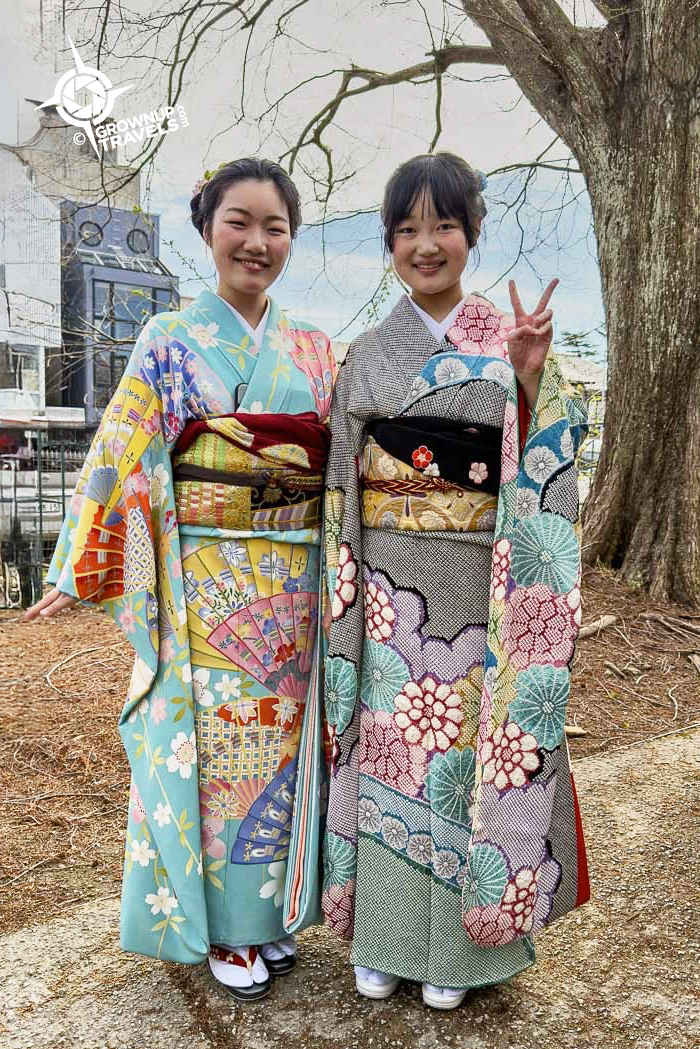
TIP: There are many places in Japan where visitors are able to rent kimonos for themselves for the day, and have their hair styled and accessorized as well. It is quite affordable, and you can stroll through the city’s iconic places in traditional attire which can make for lovely photo mementos. This is not considered cultural appropriation by the Japanese, but rather, a gesture of appreciation and celebration. (That being said, strolling around in full geisha makeup may be going a bit too far.)
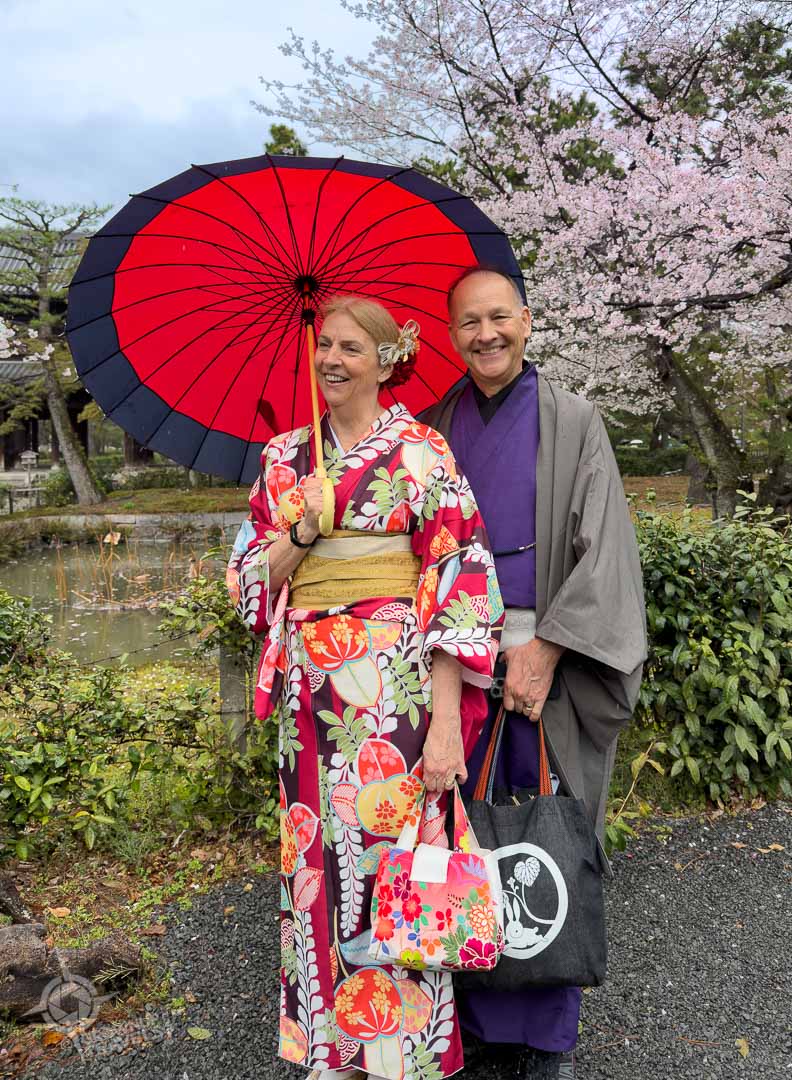
Henk and Jane in Japanese traditional attire
4. HIDDEN GEMS ARE OUT THERE
Contrary to what you might think, cherry blossoms are very much everywhere, not just in the most popular and crowded of places. Of course, if you go to Kyoto and follow the Philosopher’s Path, you are going to find it very very busy. This may be a bonus, however, as you might get an opportunity to photograph locals in their prettiest kimonos. (just be sure to ask politely). But if you are willing to do a little research ahead of time, and you venture a little farther away from the most obvious cities and locations inside them, you can still find cherry blossoms without massive crowds.
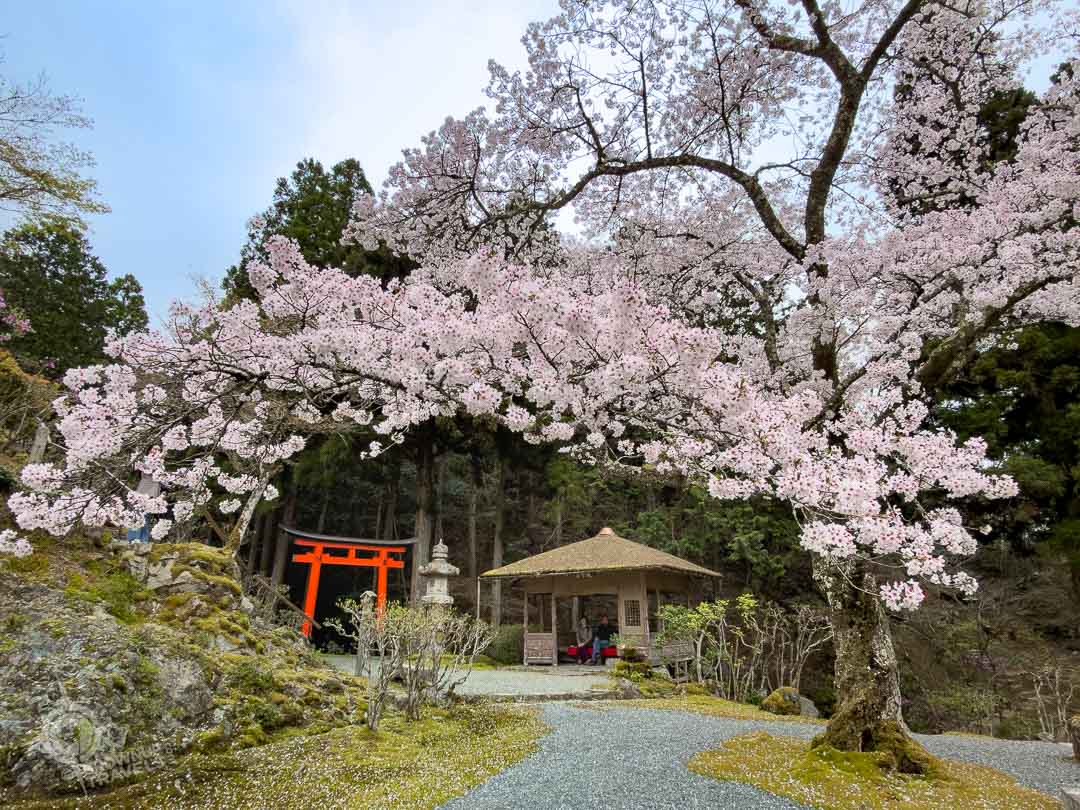
Hakuryuen Garden in Kyoto is a hidden gem that only opens a few weeks a year
Even in Kyoto, just by following the river north out of the centre you can see dozens of riverside trees in bloom with very few people. Same with Nara: by following the river westwards, we found what is essentially a riverside park on both sides, lined with trees in full bloom and almost no people.
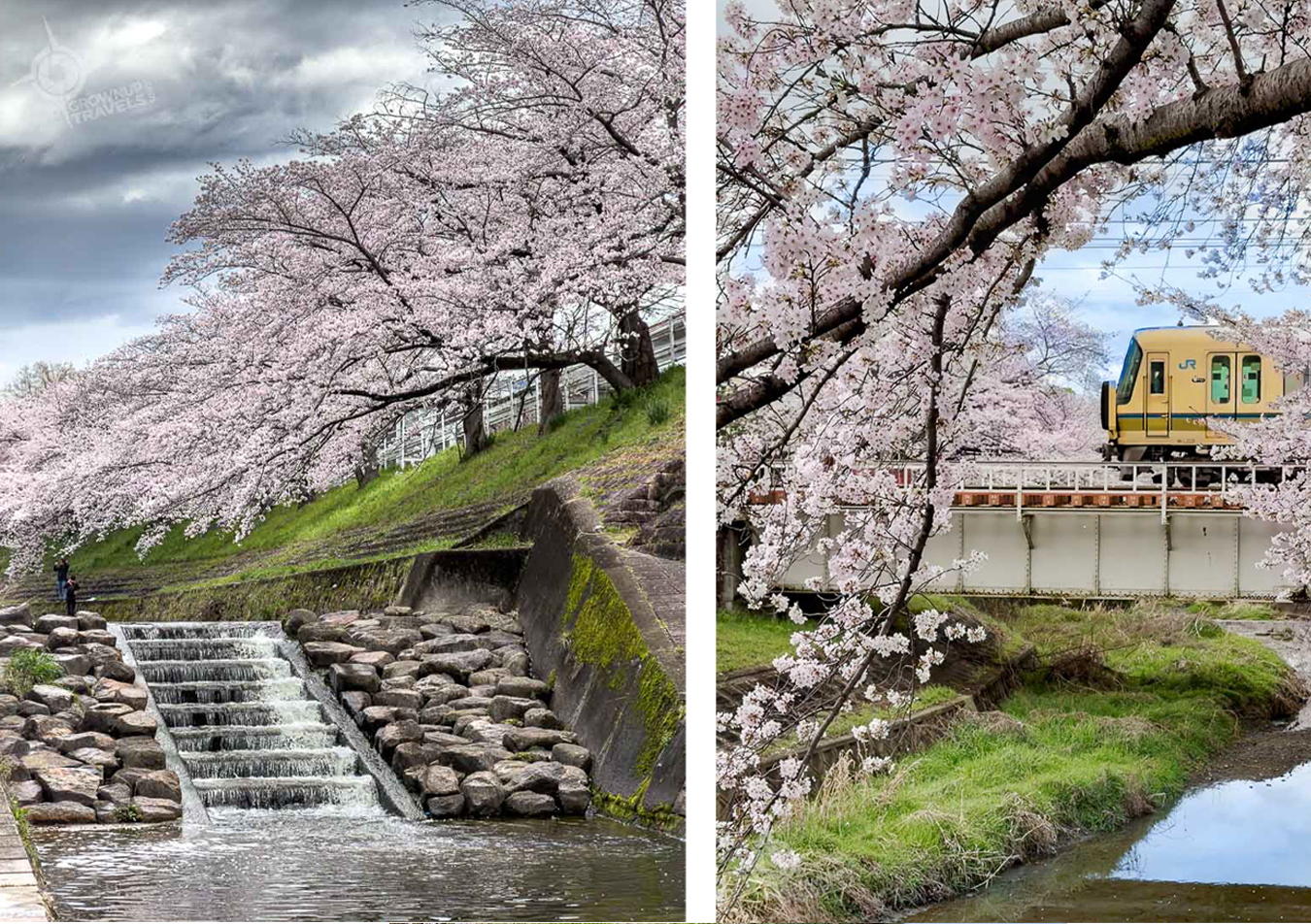
The canal in Nara is lined with cherry blossoms and very few people, especially the farther you walk from the centre of town
And if you include smaller towns or cities in your itinerary, like Himeji, there are bound to be fewer people here. The city still hosts their own sakura festivals with just as much celebration as the bigger, more popular tourist destinations, only without the massive crowds. It’s also a great way to experience a more slower-paced Japan.
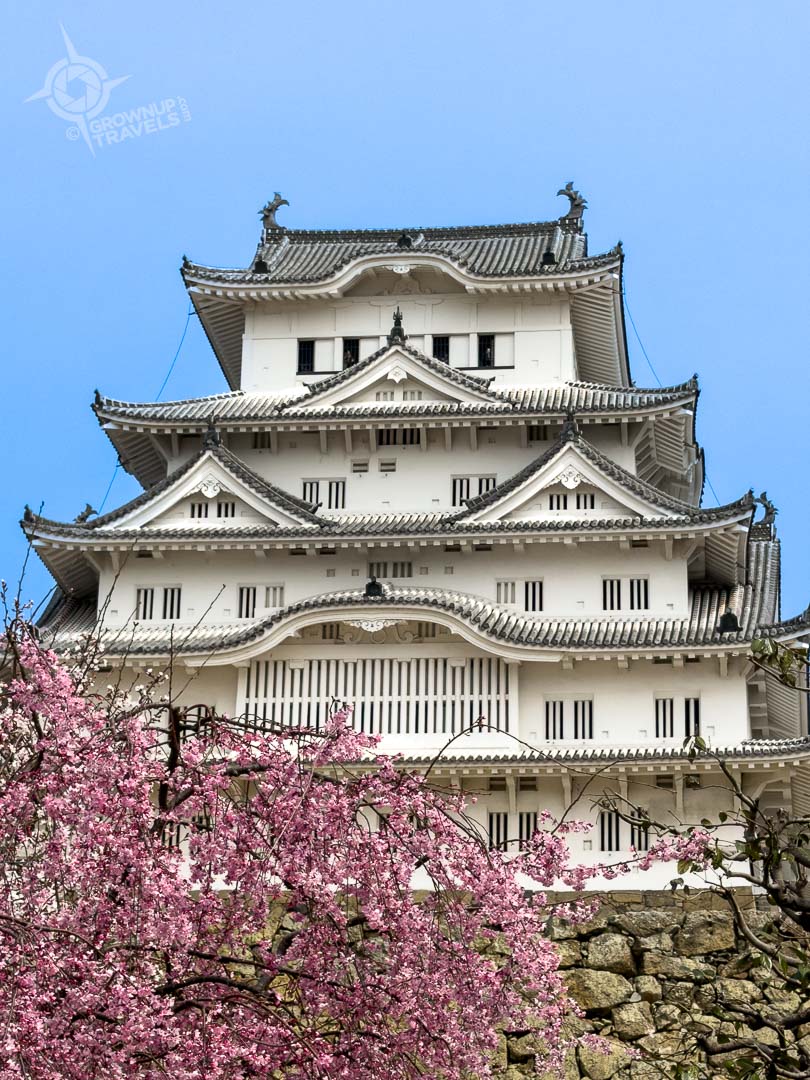
Himeji’s ‘white castle’ from its courtyard with cherry blossoms
5. GEISHA/GEIKO FESTIVALS
Spring is the season when many Geisha festivals take place in large cities in Japan. In Kyoto, for example, where geisha are called ‘geiko’, one of the largest and most impressive festivals, called Miyako Odori, takes place during the month of April, to coincide in part with cherry blossom season. It includes dance performances by geiko and maiko dressed in beautiful kimonos, a tradition that dates back to 1872. Tokyo, too, hosts Azuma Odori in April, the most famous Geisha festival in the city, which is almost as old, having been established in 1925. If these types of geisha experiences are an important component of your visit to Japan, then cherry blossom season is likely going to be part of that timing.
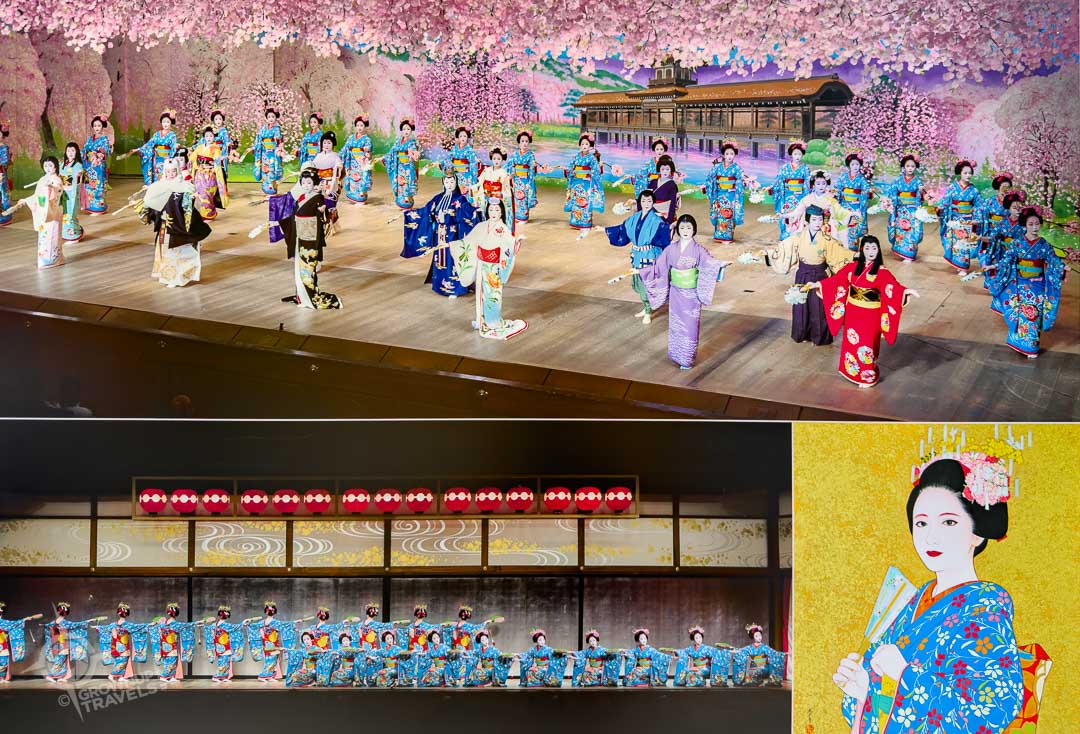
Miyako Odori takes place in Kyoto in April and is not to be missed
6.TOKYO IS ALREADY CROWDED, WHAT’S A BIT MORE?
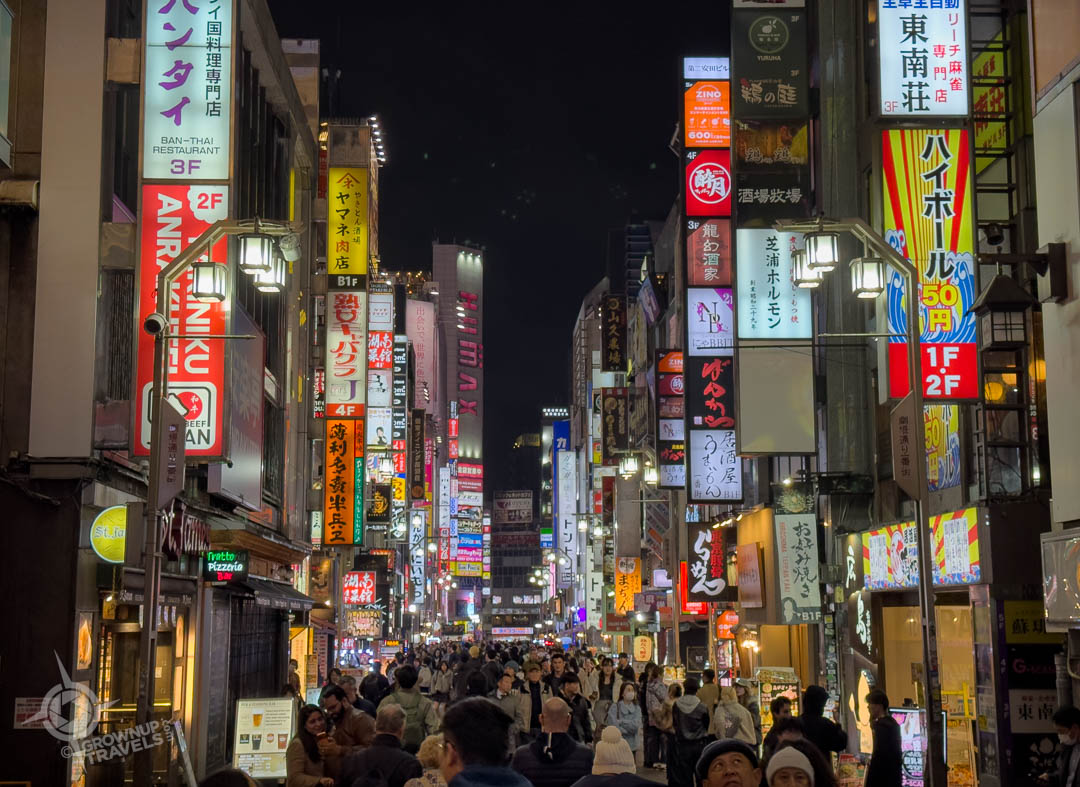
Tokyo streets are busy all year round
It may sound simplistic, but travelling to a city like Tokyo with over 14 million people is going to be crowded on the best of days, so patience is required at any time of the year when navigating the city. Of course, when cherry blossoms begin to bloom in places like the Imperial Palace Gardens or parks like Shinjuku Gyoen National Garden, you may require some advance planning to make sure you can enter the grounds, especially on weekends when tickets may be required to control the numbers entering the property.
TIP: Remember that if you are travelling by subway in large cities, especially Tokyo, at ANY time of year, you will definitely want to avoid doing so at rush hour. Cherry blossom season or not.
7. A ONCE-IN-A-LIFETIME EXPERIENCE
Finally, if you are only planning to visit Japan once in your lifetime, this may be all the reason you need to see the country when it is festooned with pink and white blossoms. Considering the importance of sakura to the Japanese cultural identity, you won’t find a more ‘Japanese time’ to visit this country.
6 Reasons NOT to visit Japan in Sakura Season
1. CROWDS
If you can’t stand the idea of crowds for any reason, you definitely will not want to go to Japan during cherry blossom season. In fact, regardless of the season, you may also want to research places in Japan that are not as heavily populated since cities like Tokyo, Kyoto, and Osaka are going to be crowded at any time of the year.
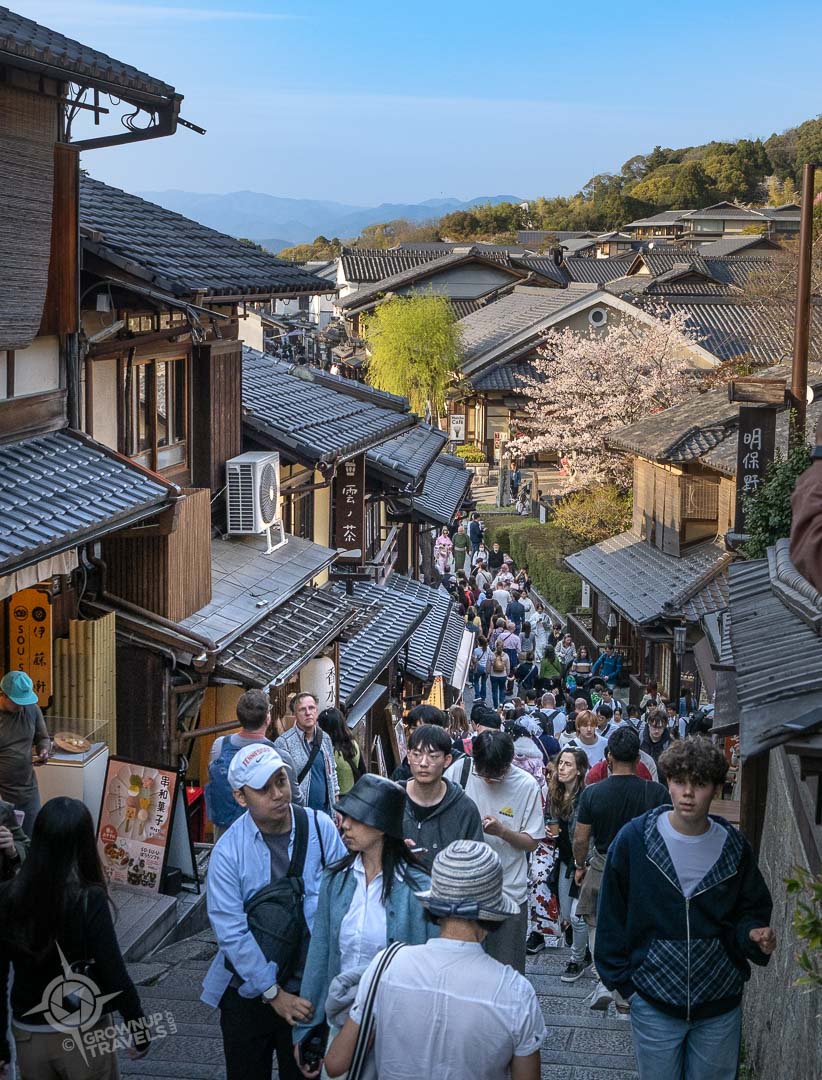
Typical crowds in Kyoto during cherry blossom season
Japan has many regions that offer plenty of natural beauty, small towns and cities that most tourists do not visit, and other opportunities to experience the culture without the crowds. You just need to be willing to venture off the beaten path, which can take more research and planning.
2. PRICE FOR ACCOMMODATIONS
With popularity comes an increase in price. Which means visiting Japan, and especially its most popular destinations, is going to cost you more during cherry blossom season, primarily for accommodations. For example, compared to earlier in February or March, we found prices around sakura season in Kyoto were significantly higher for hotels at the end of March and into April. Hand in hand with price increases comes scarcity: trying to book hotels in these destinations is also much more difficult as this is their high season. If you do decide you want to go, just be sure to start looking for your accommodations early.
Thankfully, train tickets are not subject to this kind of ‘surge’ pricing, and admission prices to the temples and parks do not increase either. Some places, however, may host special illuminations at night during sakura season, and charge extra for this event.
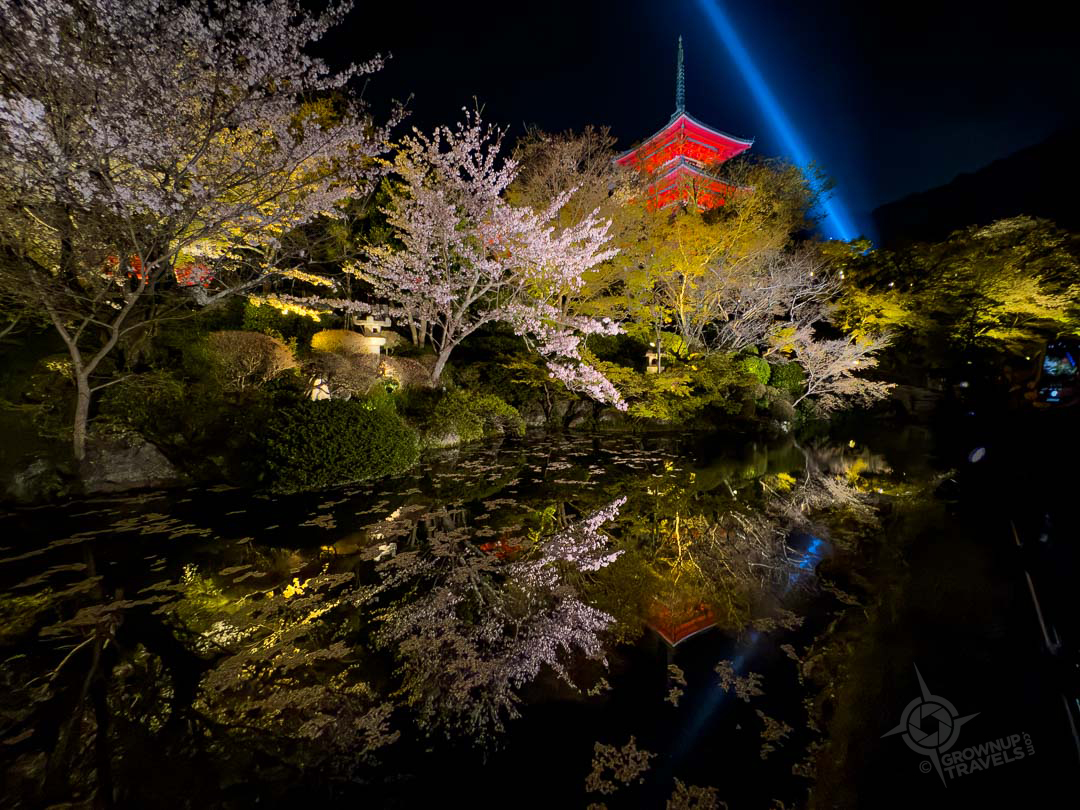
Luckily the lights at Kiyomizu-dera temple after dark were free to see, but there are special cherry blossom illuminations at some temples that charge a fee
3. PHOTOS
Again, crowds. If you are hoping to shoot photos of Japan with fewer people (they can literally fill the streets in the historic district of Kyoto, for example), or are just looking to capture some of the country’s most beautiful and iconic sights, you may want to take a pass on cherry blossom season in the popular destinations especially. Everything becomes busier, whether it’s a sunset location at Kiyomizu-dera temple in Kyoto, or trying to capture Mt. Fuji framed in a torii gate. Of course, these places are popular spots throughout the year, so even if it’s not blossoms that other people are trying to photograph, there are simply more people around wanting the same photos.
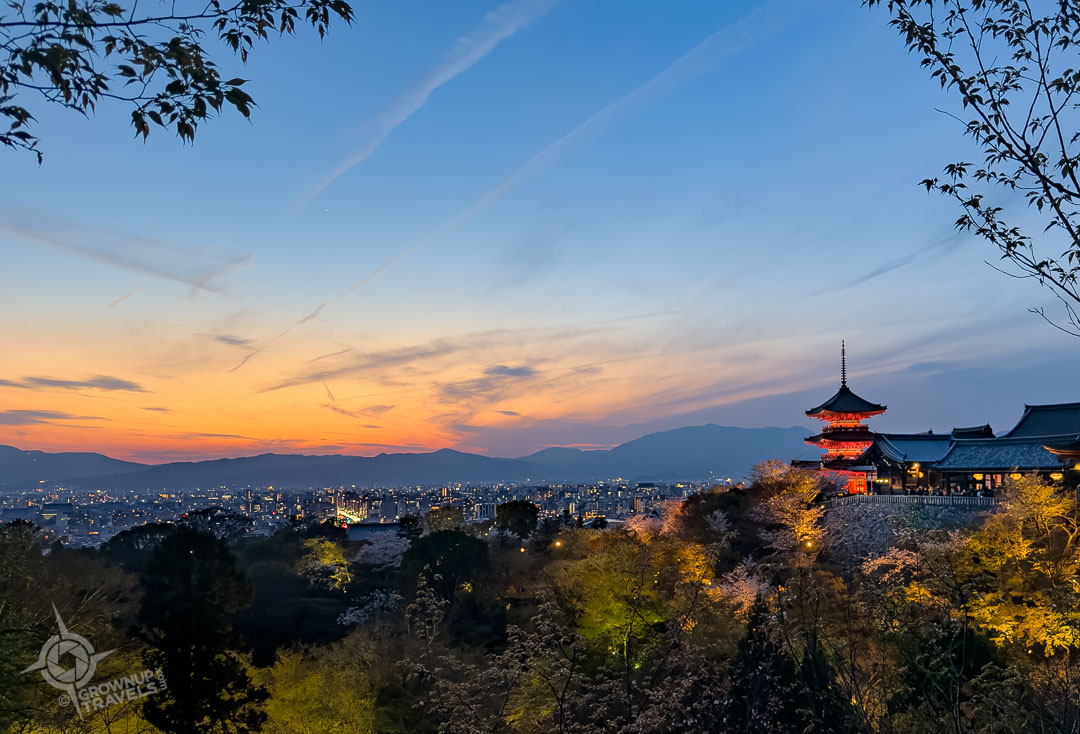
Kiyomizu-dera temple at sunset is crazy popular but you can get photos if you are patient and wait for most of the people to leave
4. DIFFICULT TO PREDICT PEAK BLOSSOM TIME
Mother Nature is fickle. Which is to say, even with the best meteorological and historical records, predicting exactly when peak cherry blossom time will occur in Japan is still a guessing game, especially the farther out you are with your planning. There are resources that can help, like the Japan Meteorological Corporation which issues its predictions for both cherry blossom bloom times, as well as peak autumn foliage, by region. And since Japan’s climate differs from south to north, the ‘peak bloom’ occurs at different times at different places. The Sakura weather map website is another place that offers predictions for when the blossoms will be in first or full bloom.
All this to say, this does make it difficult to plan your flights and hotels to coincide perfectly with peak blossom time. Of course, if you are super-flexible and money is no object, you can always adjust your plans last-minute, but who needs that stress? Otherwise all you can do is take your best guess when figuring out your itinerary and keep your fingers crossed. Chances are, if you are in the country for 2 weeks, somewhere on your route you will get lucky.
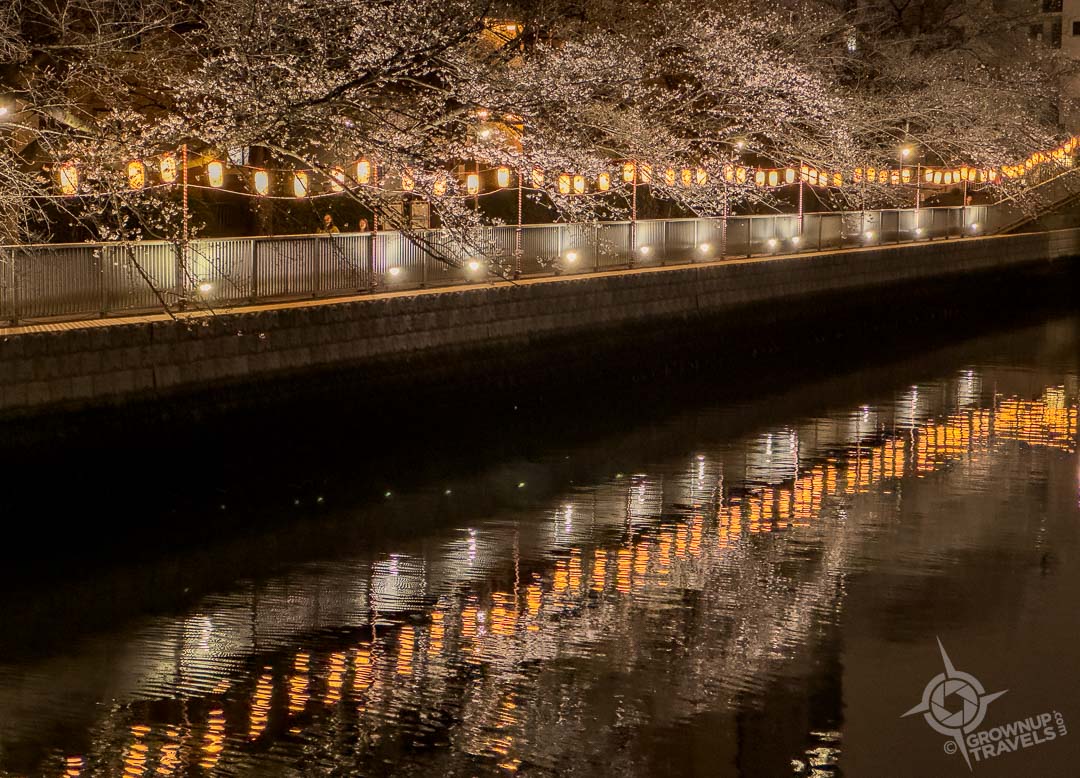
The cherry blossoms were not at their peak in Tokyo when we first arrived so we improvised with night shots that were interesting even without peak blooms
5. GARDENS ARE NOT IN FULL BLOOM
If you are a flower lover, or garden enthusiast, late March/early April may be ideal for cherry blossoms in Japan, but many of the country’s most beautiful and famous gardens are actually not at their best at this time of year. (If say, you are looking for spring tulips or wisteria, or summer sunflowers and lotus flowers.) There are always parts of every garden that are still beautiful, of course, with perennial plants and other evergreen trees that are impressive at any time of the year, but if you are focussing your visit around gardens specifically, you may want to schedule your visit later in the year.
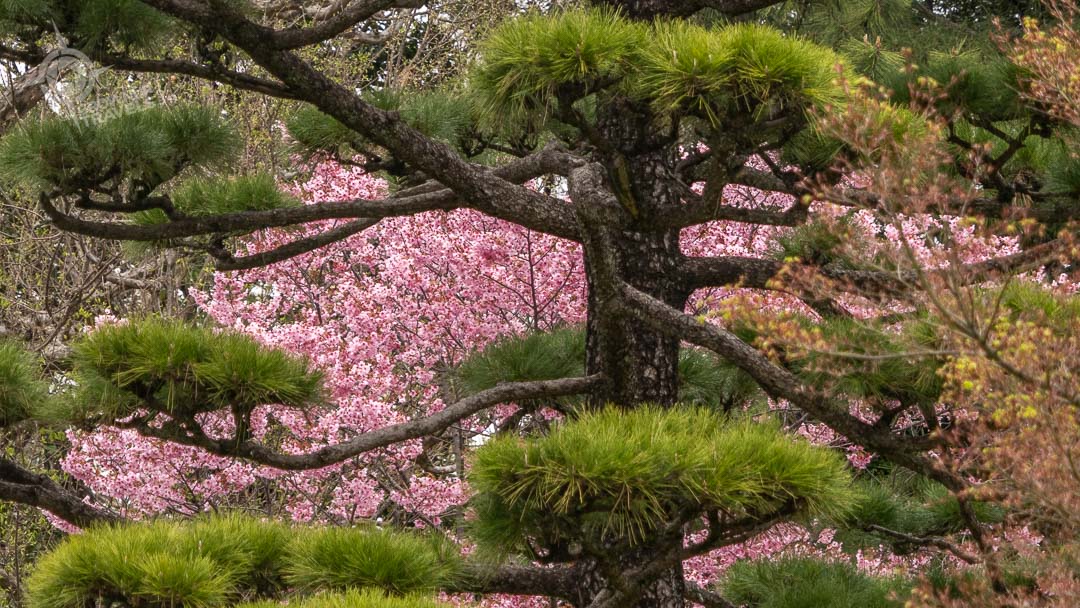
You can always find perennial or evergreen elements in gardens even if the flowers aren’t all out
6. YOU ARE NOT A FLOWER FAN
One thing will make your sakura season decision very simple: if you could care less about gardens, or flowering cherry trees in particular, you can happily skip cherry blossom season altogether. Japan has so many other reasons to visit that if these things are not important to you, you can avoid a lot of unnecessary issues that come with travelling at one of the country’s busiest and most popular seasons.
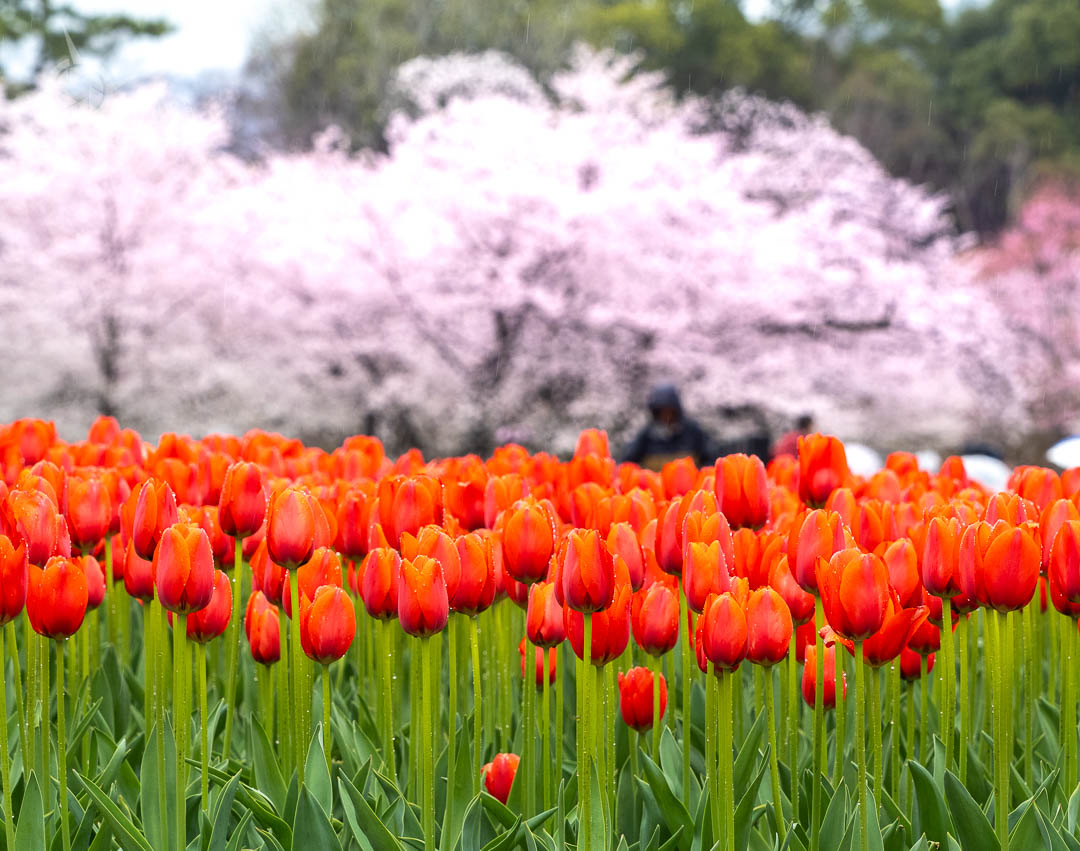
If you aren’t into flowers, you’ll want to skip the Botanical Gardens in Kyoto
Japan in Cherry Blossom Season: Yay! or Nay? Our Conclusion.
Yay!
Having gone through all of these same pros and cons ourselves, Henk and I chose to visit Japan during sakura season. This was a once-in a lifetime trip for us and we both wanted to visit during one of the most beautiful, quintessentially Japanese times of the year. And since we do have some pretty spectacular autumn colours here in Canada, but we do NOT have an explosion of cherry blossoms across this country, we chose to visit in the spring, and we do not regret the decision. For those who may be planning to do the same, all we can say is, pack your patience, plan ahead, do your research, and maybe stray from the popular routes even a little bit. You won’t be disappointed.
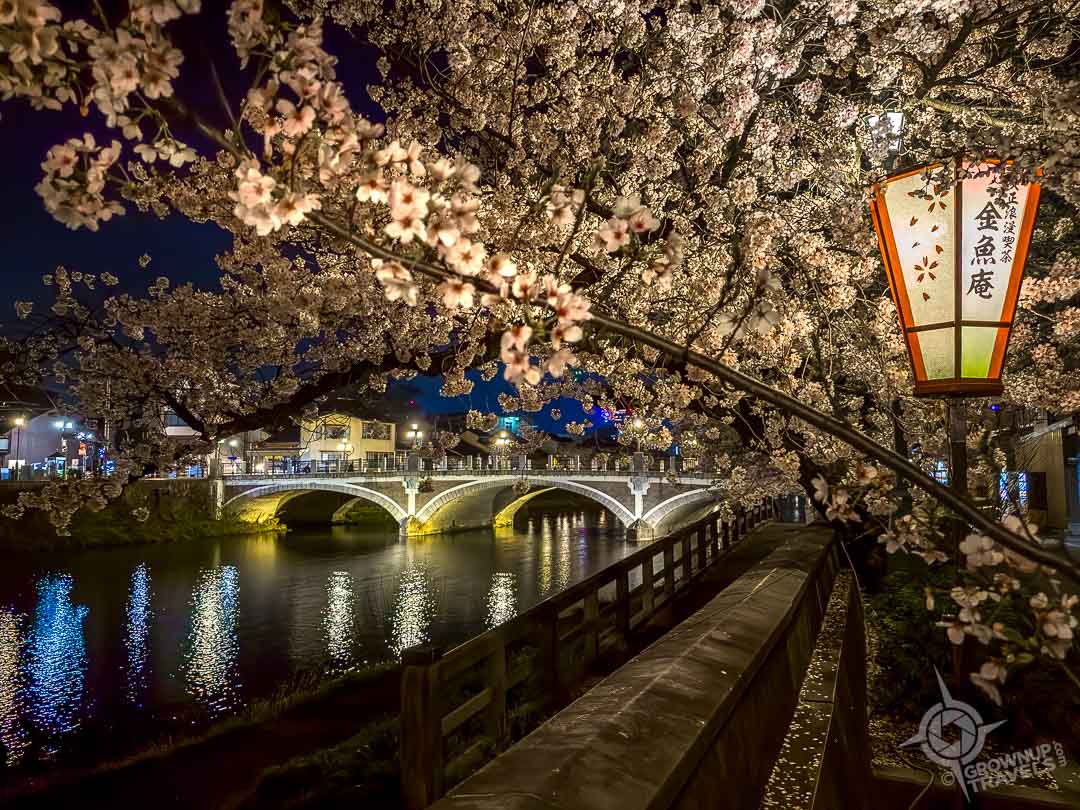
Cherry blossom season was worth it for us. But you can decide for yourself.

Jane is an award-winning travel writer and photographer and an accredited member of the Travel Media Association of Canada (TMAC). In their annual awards competition, TMAC named GrownupTravels.com as the Best Self-Published Travel Blog in 2025 .
She is also a member of the North American Travel Journalists Association, and a freelance travel writer contributing to both print and online publications.





Subscribe and you'll never miss an update!
Join our mailing list to receive the latest news and updates from Grownup Travels. (We keep your email STRICTLY private)
Thank you for subscribing to Grownup Travels!