
It’s intimidating. Even for ‘seasoned’ independent travellers, trying to plan a trip to Japan all on your own can feel like a daunting task. I know when I first set out to plan our trip to Japan as a first-timer, I didn’t even know where to start and all kinds of worries ran through my mind: “I don’t read or speak Japanese so how can I book anything? How will I know which trains to take? Can I navigate the subway system in such huge cities? What am I going to eat if I don’t like sushi? Where is the best place to stay in each city? Should I get a rail pass or not?” The list is endless. So let me help. No, I’m not going to tell you the best places to go across the country to see cherry blossoms without crowds, but I can offer my top tips for planning a trip to Japan as a first-timer, based on my own [exhausting!] research.
#1 Tip for Planning a Trip to Japan? Start with: What? Where? When?…and end with How.
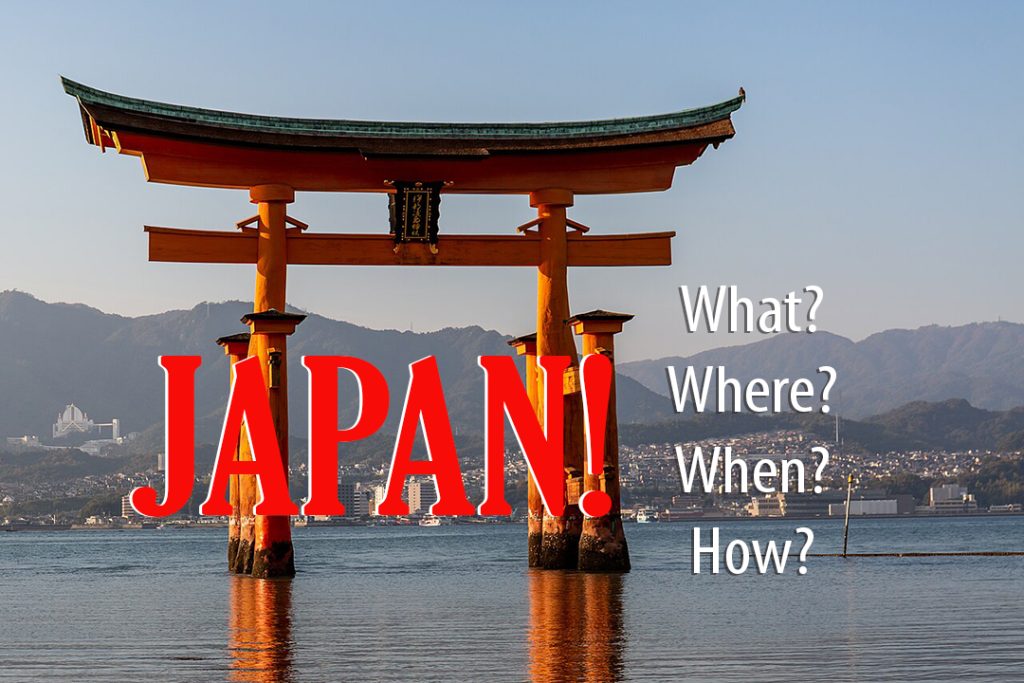
Before you can worry about all the practicalities of which train to take between cities in Japan, you need to decide where you want to go. And that all starts with a ‘what’ not a ‘where’. And it starts with YOU. You need to identify your own interests first, which will help you move onto the practicalities of where and when and how. Think of this as the 4 pillars of travel planning: WHAT do you want to see or do in Japan? WHERE are the best place/places to do that? WHEN is the best time to experience it? And then, finally, HOW do I get there and make that happen.
WHAT interests you when you travel?
Think about any other trip you’ve taken and what you enjoyed the most, and just apply that to Japan. Are you a history buff? Do you love museums? Are you interested in artisan crafts or fine art? Are you curious about Samurai or Geisha culture? Do you love food, or sake, or shopping? What about hiking and nature? Big cities or small towns? You know what you love to experience most when you travel, so start with identifying those passions, and go from there. Don’t just say: I want to see Tokyo, because you think you should see Tokyo. Decide WHY or IF Tokyo appeals to you based on those personal interests. If you love hiking and nature and hate big cities, you may only use Tokyo as a jumping off point for other places that align better with your travel goals. Or if you love gardening, for example, do some research into Japanese gardens and you’ll soon learn about some options that you might want to include on your trip. This will help you to start narrowing down some priorities to include on your trip.
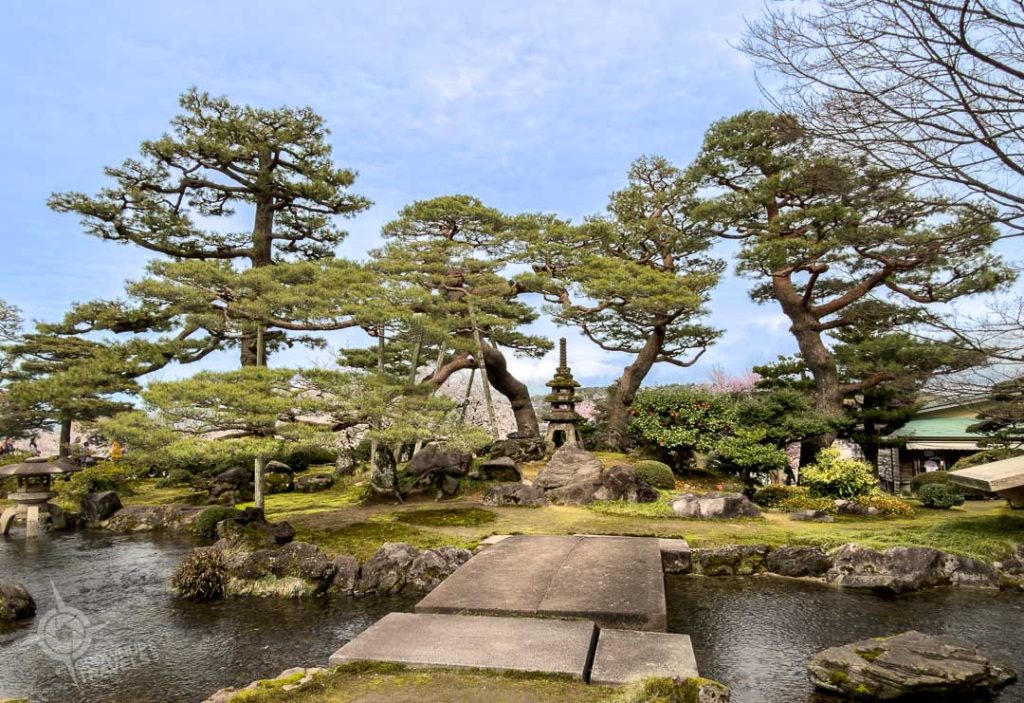
Kenroku-en Garden in Kanazawa, one of Japan’s Top 3 Gardens
WHERE can you indulge your passions?
Once you know WHAT it is that interests you most in Japan, you can start to research the best places WHERE to indulge those interests. All that garden research you did? That information will help you decide on the places/cities that you will want to include on your trip, since that is where those gardens can be found.
WHEN is very important, too.
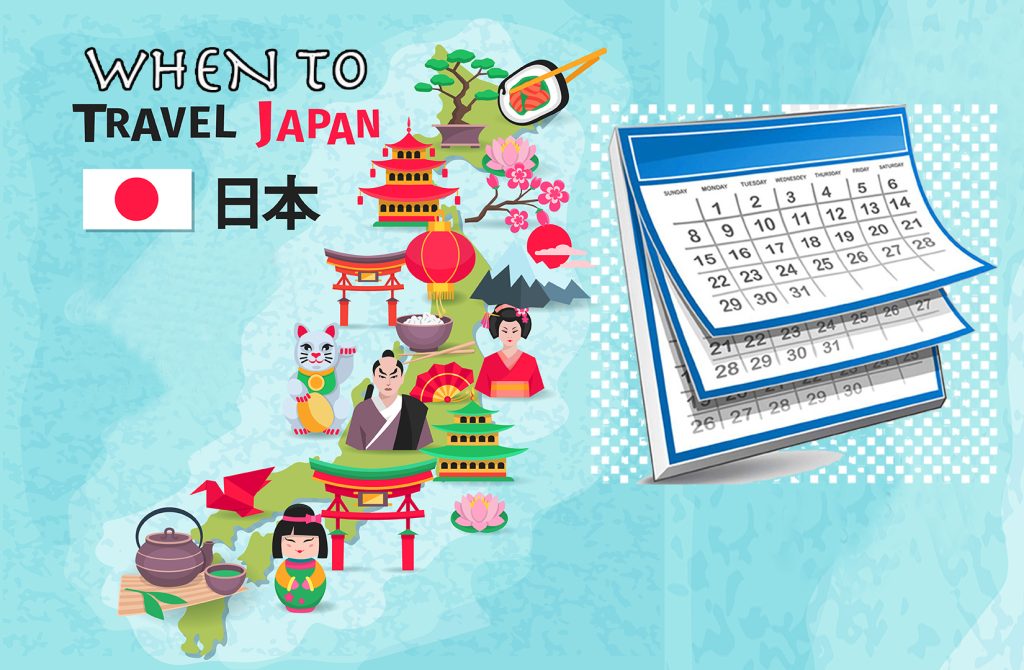
Graphic Designed by macrovector / Freepik
In your research about gardens (the WHAT), you’ll probably have discovered that Japan is famous for its cherry blossoms in the spring, and equally known for its beautiful fall colours in the autumn. This can help you decide on the WHEN to visit. Time of year is important if you want to catch these seasonal blooms or colours, so this becomes a key factor in your whole planning process. Marry this information with your WHERE, and you are starting to really focus your itinerary on your needs and interests..
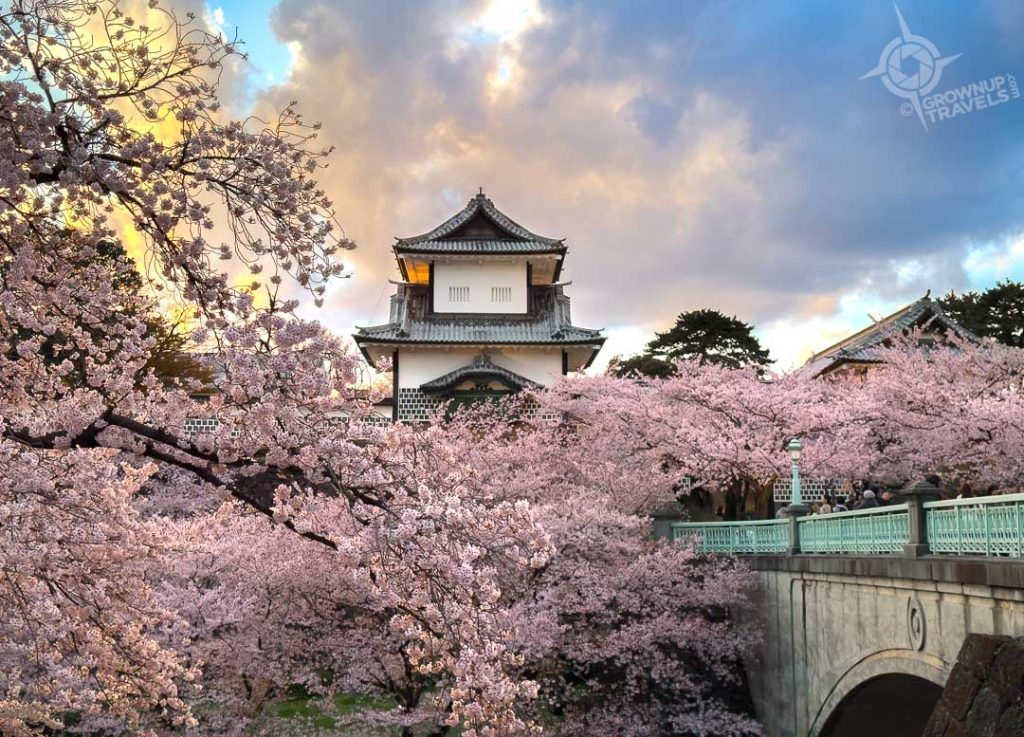
Cherry Blossoms in peak bloom at Kanazawa Castle Japan, April 7, 2026
Time-Sensitive Events or Attractions
Let’s say your interests include something more time-sensitive than gardens, like specific cultural festivals (the WHAT), and you’ve learned that there is a particular Geisha festival in Kyoto (the WHERE) that you would love to see. Plus you’ve learned that this festival only happens on a specific day or week (the WHEN). This will definitely help you narrow down your timing for travel, and this particular event will become a major building block of your itinerary.
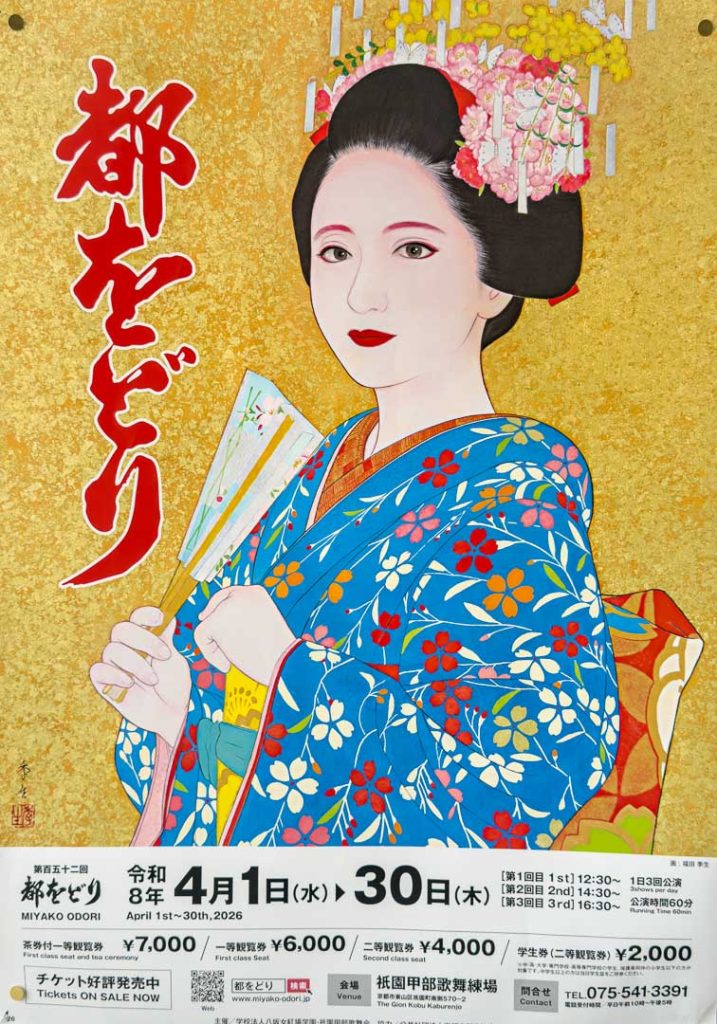
Poster for the spring Miyako Odori performance in Kyoto 2026
TIP: The sooner you can identify when specifically-timed events occur, the better it will be for your planning since it will influence everything from your travel dates to your budget. Plus, you may want to lock down that ticket as soon as possible. After all, if this event is a priority, you can always build the rest of your itinerary (and budget!) around it.
Even something as non-time-sensitive as visiting a temple or seeing a specific pagoda is something to check into. If you had your heart set on seeing the Todai-ji Pagoda in Nara, and you book your hotel room for a night just to see it, you’ll be pretty disappointed to learn after you arrive that the temple is currently undergoing a major restoration and is completely under wraps until 2031.
TIP: Be sure to check for opening hours at attractions, museums, etc, that you want to visit, too. Weekly closing dates vary like crazy depending on the venue. Also, check the dates for major Japanese holidays while planning your trip (like Golden Week, or New Years). Not only are many things closed during these holidays, it’s a VERY busy time for Japanese to travel domestically, so trains and hotels may be in high demand as well.
Are you Temperature-Sensitive?
You may even base your travels solely on temperature or weather: if you absolute hate heat and humidity, well, Tokyo in the summer is probably not for you. You might want to look at travelling to parts of Japan that are at higher elevation, and therefore cooler. Something as simple as your own comfort when travelling is absolutely worth considering, too, so you can have the best trip possible.

Henk does NOT like the heat, so spring was a good season for us to visit Japan.
HOW? This is where it can get complicated.
Booking your flights to and from Japan is one thing. The easiest part, probably. But now that you’ve identified the WHAT, WHERE and WHEN and have laid out a rough on-the-ground itinerary with several cities or destinations in mind, you have to figure out HOW to get to and from those places, hopefully in a cost-effective and efficient way. Renting a car and driving around Japan is definitely a possibility for some, but a) the Japanese drive on the left side of the road which always takes some getting used to; and b) if you don’t read Japanese, dealing with street signs, parking and other wayfinders is going to be a challenge. Most people don’t need that headache, so train travel is the next best option. And with the efficiency of Japan’s trains, (and the speed of the bullet trains in particular), this makes a lot of sense.
But here’s the reality: it’s probably going to take more research than you think to sort out the different trains, schedules, costs, etc, because you are literally learning as you go, and every time you Google one question, you’ll probably end up asking 5 more.
When planning a trip to Japan, A.I. can help. Sort of.
I’m definitely not a fan of A.I. as a blanket solution for everything in life. And I definitely would NOT trust it implicitly with something as important as my travel plans. That being said, platforms like Chatgpt can be a great place to start when it comes to distilling a ton of online information, especially for logistical things that involve published timetables, train schedules, prices, etc.
For example, after I decided which cities that I wanted to visit in Japan and my approximate dates, I asked Chatgpt to do some of the work for me. I started with this question:
“Give me the most efficient itinerary including specific trains with reserved seating for this route on these dates: March 28, 2026 Tokyo to Himeji. March 29, 2026 Himeji to Nara. March 31, 2026 Nara to Kyoto. April 5, 2026 Kyoto to Kanazawa. April 8, 2026 Kanazawa to Narita Station.”
When I got the itinerary (that was generated literally in seconds!), I was impressed. I had just saved probably hours of time doing that research myself. And Chatgpt even suggested this to me as a next step: “If you’d like, I can also give you step-by-step instructions on how to book specific legs (e.g., Tokyo → Himeji, Kanazawa → Narita Express) of each part of your itinerary.”
So I replied, “yes, do that”, and got a complete, detailed breakdown of what was required for each leg of the itinerary.
Impressive, yes, but I went one step further. And so should you.
Double Check any A.I. Information
Because you should NEVER trust A.I. completely, I wanted to double-check what Chatgpt had provided, and so I asked for this: “Provide me with the websites where I can book tickets for each of the train companies and their routes as outlined in this itinerary.”
From here, I had all the links I needed to proceed to booking trains, and as it turned out (to Chatgpt’s credit), the information provided to me WAS very accurate.
More Tips for Planning a Trip to Japan re: Transportation & Railways
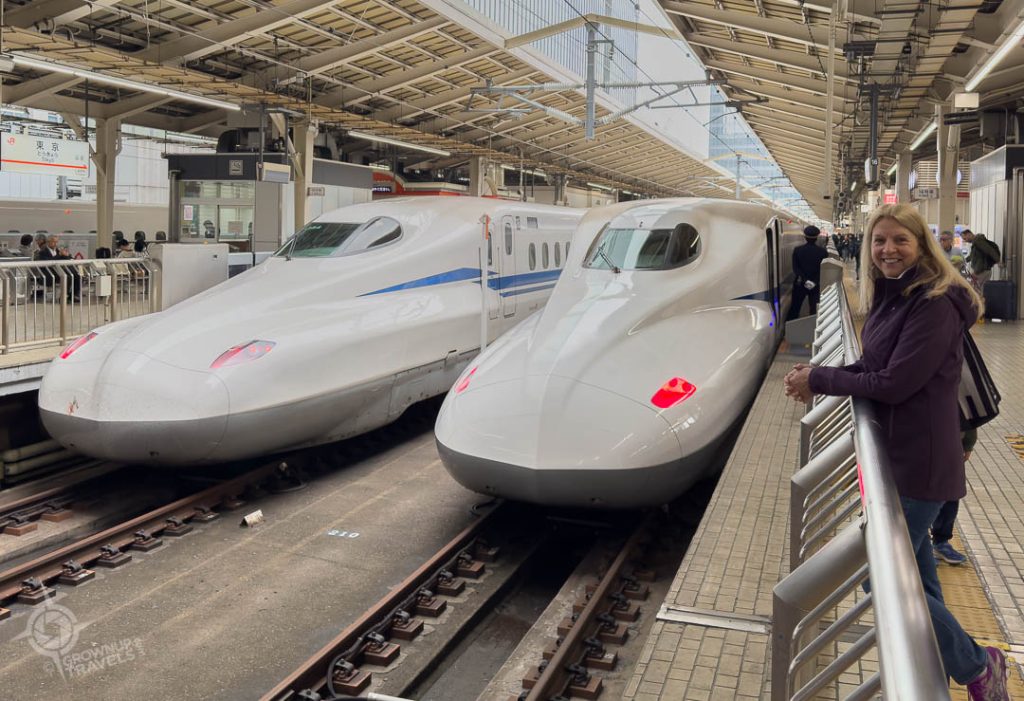
“Bullet trains” in Japan are called Shinkansen
• There is no single train company that services all of Japan; different train companies operate different routes throughout the country. JR East is one, JR West is another, the Shinkansen (Bullet Train) is it’s own animal, and they all have their own sites. Fortunately, they are all available in English, but you will need to create a free account to make reservations on each.
TIP: Creating an account on these train websites requires a password, so be sure to BRING THAT PASSWORD WITH YOU to Japan, because you will need it to sign back in, make changes, etc.
• There ARE Japan Rail Passes that you can purchase for unlimited travel for 7, 14, or 21 days, but honestly, unless you are taking a bullet train every second day in a short span of time, it’s cheaper to book individual train tickets between cities.
• There are several 3rd party sellers who can sell train tickets, bus tickets, etc. Klook is one of these. Japan Navitime is another one that I kept coming across. But watch out for markups/fees: when I actually priced out the same trains on the Navitime site (from Kyoto to Kanazawa, for example), it was WAY MORE EXPENSIVE on Navitime. So it was much cheaper booking directly through the train company.
TIP: We did find an authorized seller of Japan Railways tickets, Japan-Experience.com, who we used for one of our legs. Their prices were not marked up, and were the same as buying directly from the train companies. As it turned out, Japan-Experience was the same company that also offers unique accommodation options in traditional houses that have been adapted as vacation rentals for travellers. We actually booked a house through them for our stay in Kyoto and loved it. They are a one-stop shop for lots of activities and tours, as well, so worth checking them out.
ADVANCE BOOKING ON TRAINS:
• You cannot book trains more than 1 month in advance of your travel date. So if you are keen to lock down reserved seats on the trains you are taking between destinations, set a reminder for a month ahead of time and book that train. (Make sure you pre-register on the train company site ahead of time so you can just log in and purchase your tickets more efficiently on the day)
• Some local trains (almost like commuter trains) cannot be reserved in advance. Seats are on a first-come, first-served basis, but they usually operate frequently enough that this is less of a problem than on the longer routes. Rush hours may be busier, of course, so perhaps time your travel on these trains to avoid the rush hours.
• If you are taking the Shinkansen (bullet train) with large checked-bag-sized luggage, certain routes require you to book an Oversized Luggage ticket (no extra cost) to ensure there will be room either behind your seat at the very last row of the car, or in the luggage compartment/area at either end. Carry-on sized bags (and even larger ones) can be stored above the seats without need for any special reservation. If an oversized luggage ticket is not an option on the train you want to book, you can just store your luggage in those areas without any special ticket.
IMPORTANT TIP: Booking a reservation on a train provides you with a ‘voucher’ (usually in the form of a QR code). You need to exchange this voucher for ACTUAL TRAIN TICKETS at electronic ‘vending machines’ located in train stations (or at the manned Railway Travel Centres in stations) before you can board the train. These vending machines are outfitted with an English option, so they are not difficult to use and there is often an attendant there to help.
• You will often be issued multiple tickets for a train trip, usually one that covers the ‘regular fare’ on the train line, and one that covers the additional charge for a faster train, or reserved seat train. You need to insert BOTH of these tickets when you enter the departure gate AND when you exit so they can track where you entered and exited the train system. Also, if you are booking 2 consecutive trains and you don’t leave the station in between, you will need to insert ALL of the tickets for your entire journey at the starting location of your trip. However, knowing exactly which tickets to insert can be confusing, so if you have more than 2 tickets for your journey, ask the train station attendant which ones you need to insert when you enter and exit the train gates.
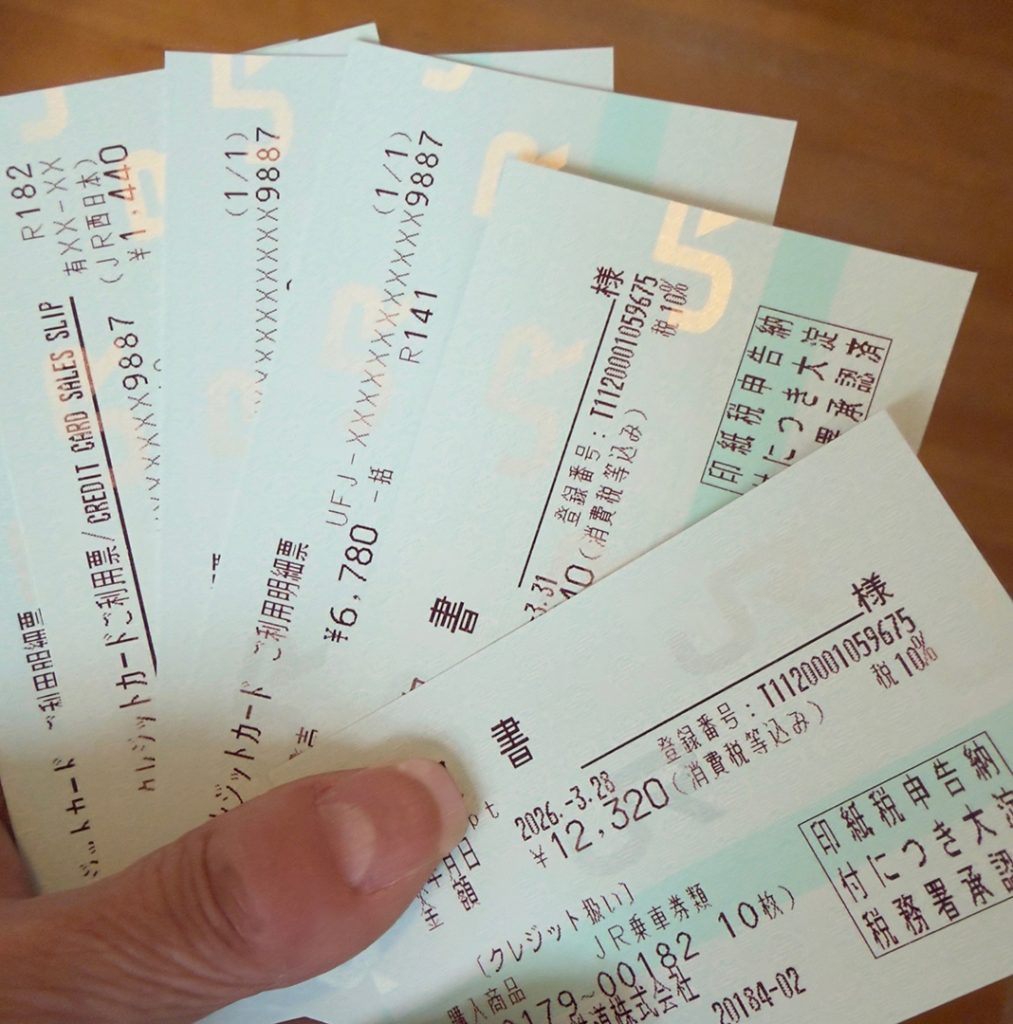
More than 2 train tickets for your journey(s)? Ask a station attendant at the gate which ones to insert.
TOKYO AIRPORT TRANSFERS:
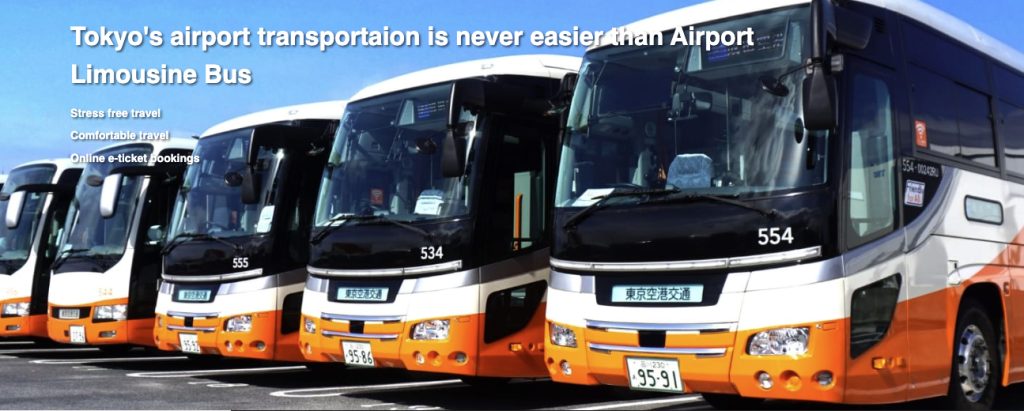
There are 2 airports where you can land near Tokyo: Haneda and Narita. Narita is farther away (about 75 minutes from downtown Tokyo). If you want to save money on getting to the city, buses are the most affordable way to get to the city: the Airport Limousine Bus is a large coach-style bus that services both airports and stops at some specific hotels and stations in Tokyo.
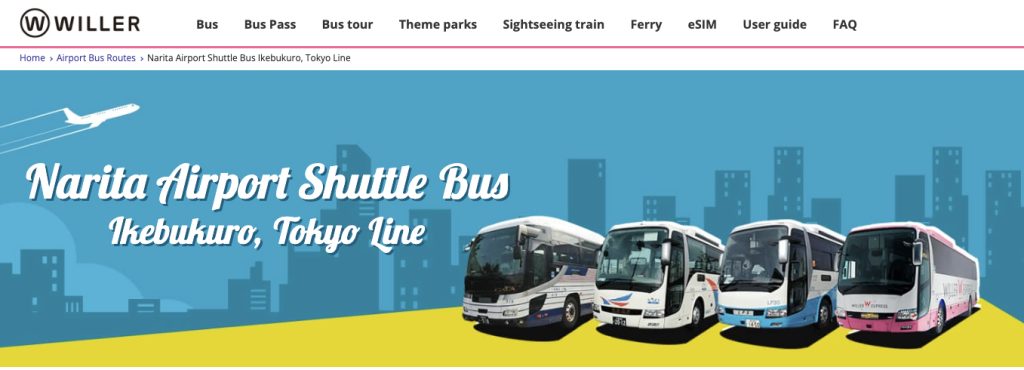
There is also another bus service operated by Willer Travel that is even more affordable. Just check to see where each bus drops you off in Tokyo to see if it is close to your hotel. You will still likely need to take a taxi from where the bus drops you off. Schlepping large luggage onto metro trains (and especially on buses) is not advisable, particularly during rush hours.
There are also trains between the airports and main stations in Tokyo that are run by JR East, which are more expensive than buses, like the Narita Express which is an all-reserved-seat option between Narita Airport and Tokyo’s Central Station. But you’ll need to sort out the ticketing ahead of time or at the airport when you land. Again, you still need to get to your hotel from the train station, so check the routes to see if it makes sense for you.
Ultimately, if door-to-door convenience matters most, taxis are available (but are the most expensive way) to take you from the airports to the city. If you do decide to go the taxi route during your stay in Japan, definitely get the GoTaxi app or Uber apps, which allow you to pre-register your credit card ahead of time and be ready to go, cash-free.
TIP: Uber usually taps into the taxi network, so don’t be put off if you see ‘TAXI’ as an option. This is just how Uber works here.
CITY TRANSPORTATION:
Not all Metro lines in cities like Tokyo, Kyoto and Osaka are operated by the same company. So unless you want to worry about getting different tickets for each line from different companies, the easiest and most seamless way to use the subways, buses, and even some inter-city trains, is with an IC Card. These cards can be pre-loaded with funds and work on any of the transit lines above and below ground.
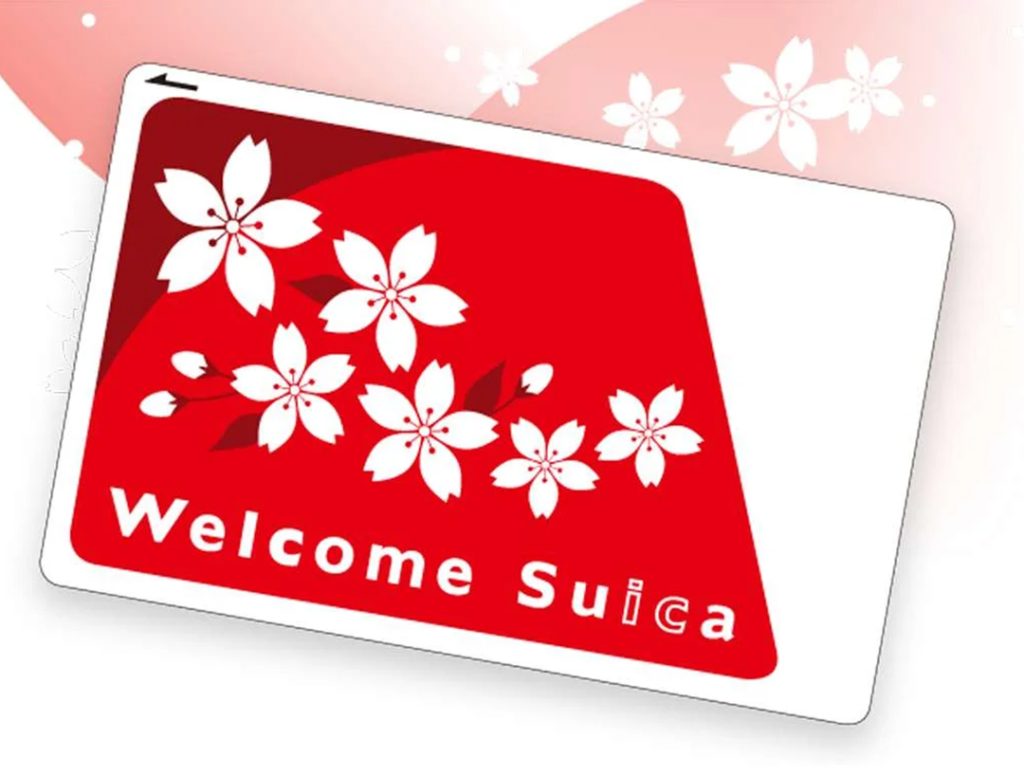
There are several different ‘brands’ of cards depending on the issuer, including Suico and Pasmo being two of the most popular. But any IC card will work across all transit lines and in multiple cities. Foreign visitors also have the option to purchase a Welcome Suico version of this card from JR Travel Centres or Welcome Suica Vending machines. The pass is valid for 28 days and can be picked up at Narita or Haneda airports at vending machines with English instructions available. You can pay for the Welcome Suico by credit card, and pre-load it with the amount you want. NOTE: To top up either IC card elsewhere during your visit, you must use CASH at the reloading machines, not credit cards.
Note: IC cards can also be used to make small purchases at convenience stores, etc, so if you have a balance that you need to use up, consider using the card for these types of purchases.
DIGITAL IC CARDS
You can also opt for a mobile (digital) IC card from these same providers. You store this on your phone, and just swipe your phone over the reader when entering the metro or bus. The advantage to a digital card is that you have it in your phone and don’t have to look for a separate physical card. The disadvantage is that if your phone runs out of battery, you have no access to your card. For this reason, we chose the physical card option.
HOW TO USE AN IC CARD:
To use your IC card on any Metro line, you need to tap in AND tap out at the gates when you exit.
On buses, in cities like Kyoto, you board the bus in the middle and just tap out by the driver when you exit (because all routes are a flat fare).
In some cases, if you see a machine at the middle of the bus where you enter, you will need to tap in AND then tap out by the driver when you exit the bus. (these are for bus routes where the fare is calculated on zones, versus just a flat fare for inner-city travel. So they need to know where you got on, and where you got off to calculate your fare.)
Other Useful Tips for Planning a Trip to Japan: from Hotels to Local Guides
This is by no means a comprehensive list of everything you might need for planning your trip to Japan. But I wanted to share some other tips that I learned in my research, in the hopes that it might save you some time and help with your own planning. So, in no particular order, here goes.
Booking Hotels in Japan:
• Location, location, location. You’re not new to booking hotels, and only you know the style and price point that you are comfortable with when it comes to choosing accommodation. But one thing to keep in mind when it comes to choosing any hotel in Japan is the location. Do a little bit of research to find out about the hotel’s neighbourhood, just so you get a sense of what it is like (residential, in the heart of the business district, buzzy at night, close to restaurants, etc). Connection to transportation is always a good thing to consider, and/or proximity to those places you know you want to visit. There’s no point booking a gorgeous remote spa resort that is far out of town if you plan to spend every day at museums in the city centre and you need to travel an hour each way by taxi or train to get there.

Daiwa Roynet Hotel in Himeji was literally 2 short blocks from the train station and you could easily wheel your luggage to it without need for a taxi
• In Japan, room prices are based on the number of guests in the room. So always be sure to include the number of adults when booking, especially if you use independent Japanese hotel websites. This is less of an issue when you use international aggregate hotel websites.
• MORE ON PRICES: If you do like to use aggregate accommodation booking sites, booking hotels through Agoda.com was generally cheaper than Booking.com. NOT ALWAYS, however. So it’s always good to compare the two sites if you find a hotel that you want to reserve.
TIP: Copy the addresses for your hotels and keep them with you (a screen shot of a map is a good thing to have for each as well). This way if you do just hop into a taxi, or if your driver is confused about where you want to go, you have an address/map to show him. Remember, many hotels have similar names especially in large cities like Tokyo or Osaka!
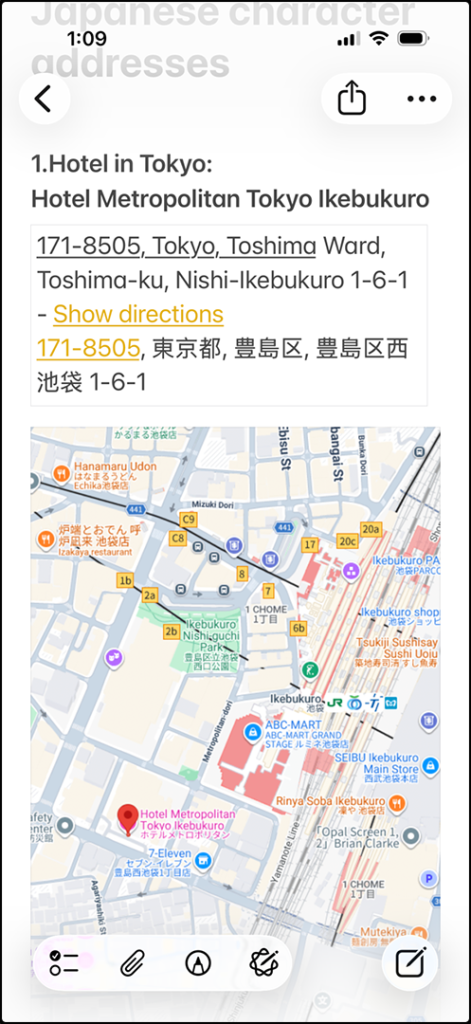
Bring maps and addresses of hotels with you on your phone in case you need it
GROWNUP TIP: If you are thinking of booking a traditional Japanese stay at a ryokan or machiya-style house (with tatami mats, low tables, etc), recognize that at many of these, you might be sleeping on the floor on futons, or sitting on the floor in the living area. If your grownup knees or back need a proper bed to sleep in, or couches and chairs, be sure to check what facilities are available in those rooms. (I don’t know about you, but sitting cross-legged on the floor for any length of time is just not happening any more!)
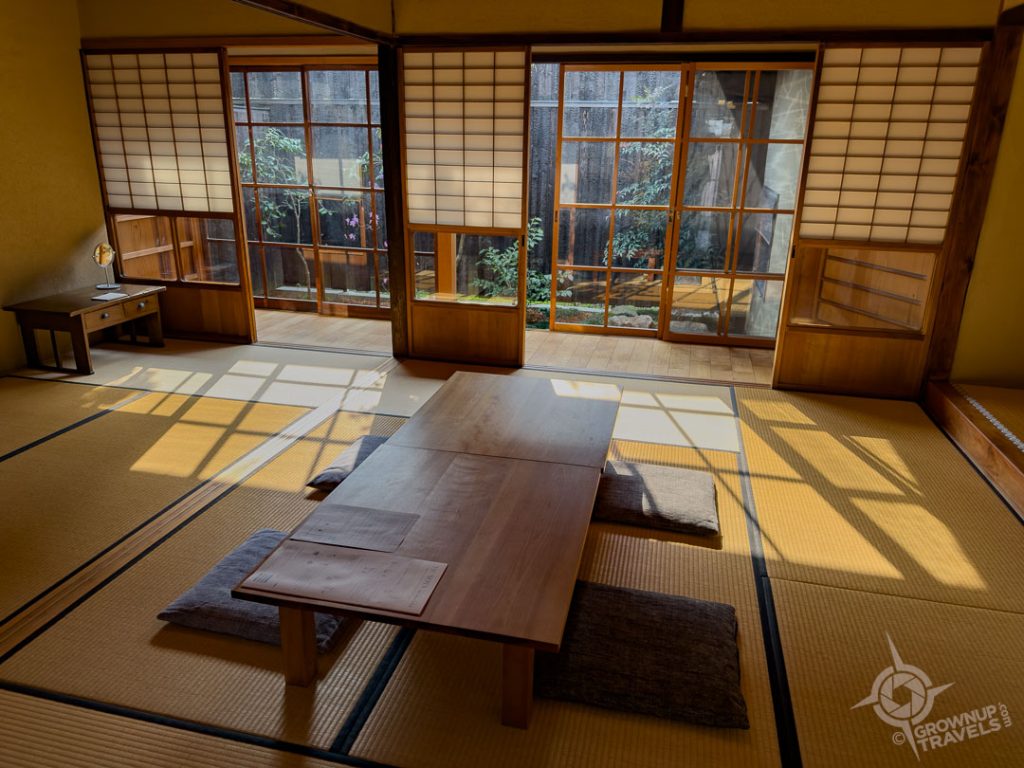
This beautiful restored machiya house may not be for everyone
City/Tour Guides:
There are all kinds of companies that offer local guides and experiences in cities across Japan at all price points. Many are geared to interest-specific tours (food tours, nightlife tours, photography tours, etc) that can be booked either as part of a group excursion (more affordable) or as a completely private tour (more expensive). Get Your Guide offers both small group and private tours and a wide variety of experiences you can book. For private tours only, there is Go With Guide, or Tours by Locals.
FREE Volunteer Guides!
One of the wonderful discoveries that turned up in my research was a ‘goodwill service’, organized through the Japan National Tourism Organization: free, volunteer guides that offer up their time to act as guides to visitors coming to their city. These volunteers may be retirees or students and it’s a great way for visitors to connect with a local person on a much richer level. You can apply for one of these free guides to accompany you, and you are only asked to cover any cost of transportation that they might require to get to you, or as you tour the city with them. Many volunteer guides have passes that allow them free entry into tourist sites, but some may not, so if you want them to accompany you into a site, you should pay for their entrance ticket. And if you book an all-day tour, plan on including a lunch allowance for them. (In our case, we always bought our guides lunch as a way to thank them for what was often a full day tour.)
TIP: Each of these city volunteer organizations is independent and runs a little differently. Some are very buttoned down (like in Kyoto, where there was an actual document that the guide had for us to read which spelled out allowances for transportation costs, lunch allowances, etc); others are a little more loosey-goosey (Tokyo, for example, which only specified a 1000 Yen transportation allowance for the guide. Be flexible, and come prepared with cash if you need it.)
Just keep in mind that these people are not professional guides who can give you authoritative historical dates and facts. Some are definitely more informed than others, some have more experience, some are more fluent in English than others, but all of them are super-keen to show you around their city and accommodate your wish list of things to see. However, if you want an accredited historian or specialized food expert, maybe booking a paid professional service is a better option for you.
Shopping Tax Refunds/Exemptions:
As a visitor to Japan, you are eligible for a 10% tax exemption on things that you purchase in the country (but this consumption tax exemption is NOT VALID if you have anything shipped home). Many larger stores are currently set up to do this for you but you must present your passport and spend a minimum of around 5,500 yen. HOWEVER, as of NOVEMBER, 2026, this tax refund service will no longer be available at stores. It will likely be replaced with a refund system/office located at the airport, but this has not been set up as of the date of this post.
Useful Phone Apps:
GOOGLE MAPS. Everyone swears by this, especially for navigating transit, including the subway systems in Tokyo and Kyoto which can be intimidating. Google will even tell you which car to take on the subway for faster transfers between stations. Just be sure to take a screenshot of the information before heading underground just in case you lose your signal and can’t remember which exit or train you need! Which exit (East, West, Central) is a huge help since many train stations are huge.
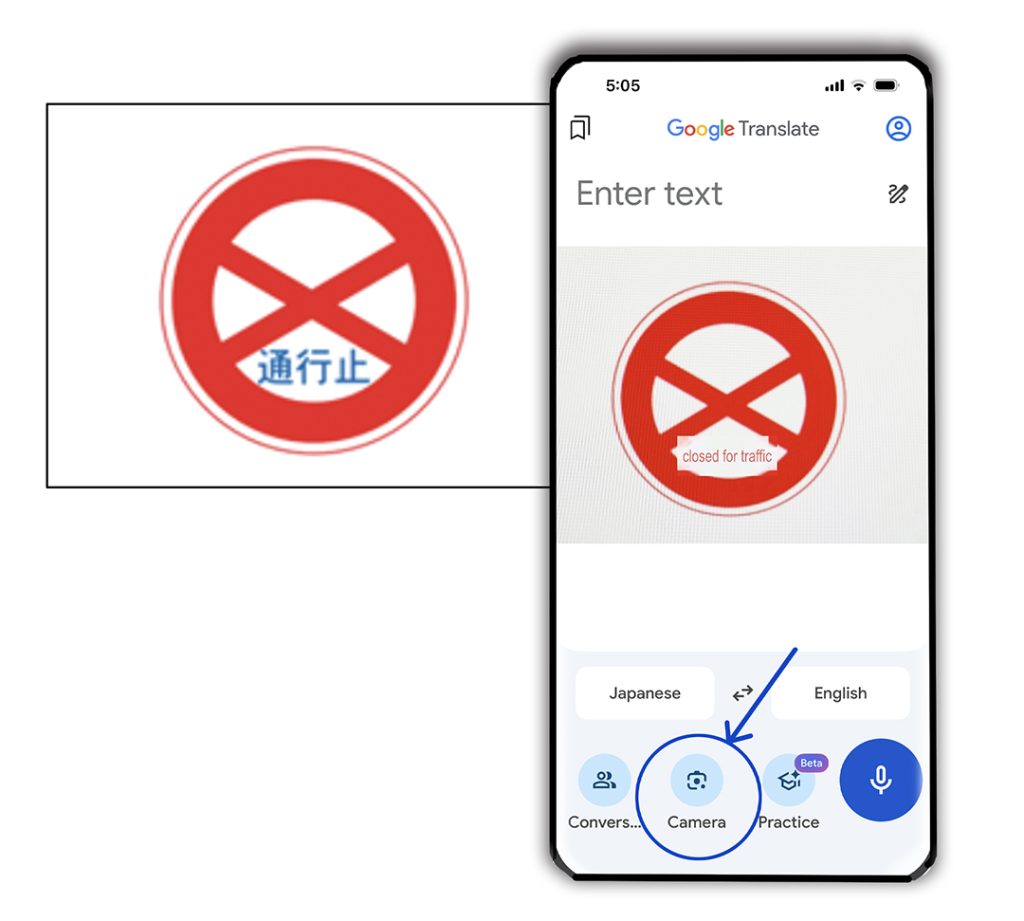
DEEPL or GOOGLE TRANSLATE for translating Japanese. Deepl seems to be rated higher for more accurate translation, but either will be helpful no doubt! Google Translate also has an option using your camera that can help translate signs or graphics on packaging, etc. Just press ‘Camera’ and point the phone at the graphic you need to translate and voilå`!
PAYKE for scanning product UPC codes. Wondering if those beef sticks in the convenience store are dog treats or human snacks? Scan the UPC code and this app tells you what the product is!
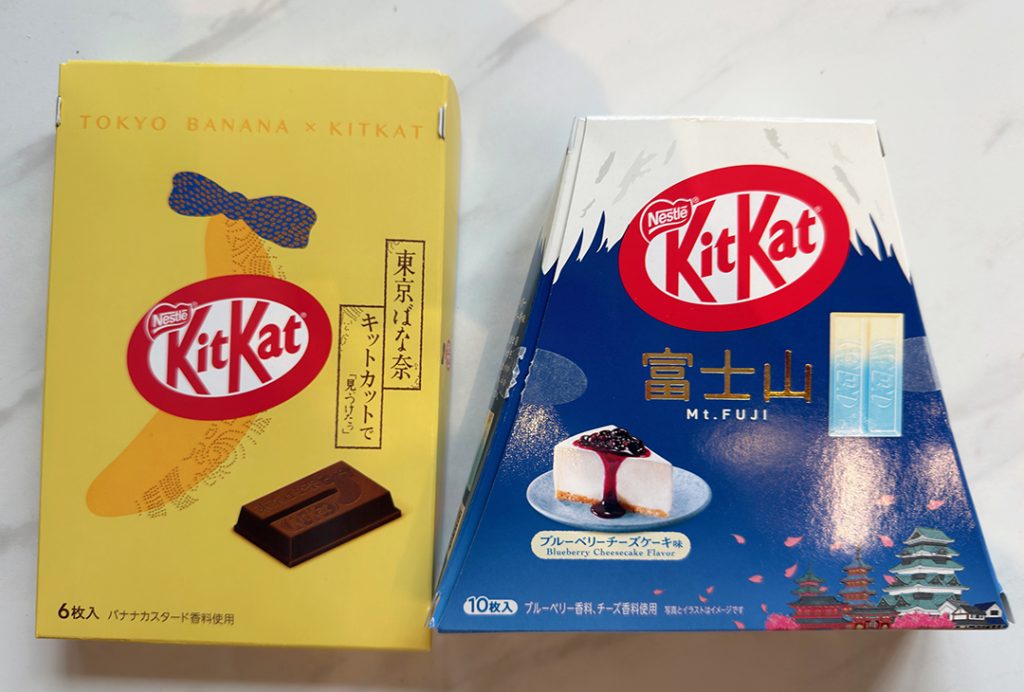
Not all Japanese products are as easy to identify as Kit Kat! Payke can help.
KLOOK – This is both an app and a website that offers a wide range of products and services that you can book/purchase, including train tickets, attractions tickets, experiences, tours, etc. Most people recommend not to use Klook for rail tickets because there may be more steps to getting your ticket or a fee. But we found that they often had good prices for attractions that were cheaper than buying direct from the attraction. HOWEVER: we booked a TeamLab ticket through them which did save a few dollars, but when I wanted to adjust my entrance time later, I learned that you cannot change admission times if you buy tickets from a 3rd party seller. Had we bought the ticket directly from TeamLab, we would have had this flexibility. This may vary with each attraction or purchase, but it is something to keep in mind.
Planning vs Over-Planning Your Trip to Japan
Travelling is about discovery, not just checking off items on an itinerary. So while planning ahead for a trip to Japan is essential so you can ensure you see the things that are most important to you (and that you have a hotel room when you need one!), leave some room in any itinerary for those serendipitous moments or discoveries that you can’t plan for. As a sufferer of FOMO (Fear Of Missing Out) myself, I always want to see EVERYTHING, but this is simply not possible. Not for Japan, and not for any other destination, no matter how long you might be there. So do yourself a favour, and when you are building your ideal trip, leave lots of space between your must-do’s and must-see’s on your itinerary. Your feet will thank you for it, and you might just find your new favourite thing about Japan that you didn’t even know existed.

Jane is an award-winning travel writer and photographer and an accredited member of the Travel Media Association of Canada (TMAC). In their annual awards competition, TMAC named GrownupTravels.com as the Best Self-Published Travel Blog in 2025 .
She is also a member of the North American Travel Journalists Association, and a freelance travel writer contributing to both print and online publications.






Subscribe and you'll never miss an update!
Join our mailing list to receive the latest news and updates from Grownup Travels. (We keep your email STRICTLY private)
Thank you for subscribing to Grownup Travels!