

For visitors to Rouen, France, there’s no end to the list of beautiful sites and storied attractions waiting to be experienced in this picturesque capital of Normandy, located about two hours from Paris. History lovers can stand on the spot where Joan of Arc was burned at the stake (not once, but 3 times), or visit the church where the embalmed heart of Richard the Lion Hearted was discovered entombed in his sarcophagus; art lovers can admire a cathedral so beautiful it inspired Claude Monet to paint 30 views of it; and foodies can enjoy the same meal that inspired Julia Child to teach generations of cooks all about French cuisine. So if you are asking yourself what to see in Rouen, settle in, because these are just some of the things Henk and I discovered on our first visit to this beautiful city on the banks of the Seine. Here are 10 more ideas to get you inspired, from obscure museums to medieval taverns and more.
1. Medieval Rouen
One of the things that I was particularly excited to see in Rouen were the original timber-frame buildings that have survived from the 12th and 13th centuries. These storybook houses have always figured in my imagination as the backdrop for fairy tales and stories of knights and damsels in distress, so I was keen to see what I thought would be a small preserved quarter with a few houses left standing. What I didn’t realize was that Rouen has over 2000 of these structures, 1200 of which date to the middle ages! So if you want to feel like you are walking through a medieval movie set, you are going to love walking through Rouen.

We started with a visit to le Gros Horloge (the Big Clock), an astronomical timepiece dating from the 1300s that is mounted on a Renaissance building with an arch that spans a pedestrian street below. The clock face has only one hour hand, (since timekeeping wasn’t precise enough to count the minutes back then) and if you look closely you’ll even see a sheep mounted on the tip of that hour hand. That symbolism is a nod to the importance of Rouen as one of France’s top wool producers in this period.

The clock still functions to this day and the days of the week are represented by a different mythological god for each day (ie. Jupiter for Thursday). Whatever day – or time of day – that you visit, le Gros Horloge is one of Rouen’s most beautiful landmarks and is the perfect gateway to viewing some of Rouen’s marvellous medieval streets.

2. Rue Malpalu
One of the most picturesque streets in Rouen has to be Rue Malpalu. Here, the oldest of the houses can be identified by their distinct ‘bump outs’ that overhang the street.

This construction style (called ‘jettying’) was popular in the 13th to 15th centuries and allowed for more space in the living quarters above the street, without narrowing the width of the street below. However, as the houses began to get closer to each other the higher they were built, this kind of construction became increasingly dangerous as it posed a risk of fire spreading easily between buildings. For this reason, jettying was outlawed in the 15th century, and flat-fronted buildings became the new building standard.
Rue Malpalu is a beautiful street in its own right, but at the end, it opens up onto Barthélémy Square with one of the most beautiful churches in the city, the Saint Maclou.
3. Saint Maclou Church and Barthélémy Square

Fans of Neo-Gothic architecture (I count myself as one) will absolutely love Rouen for its spectacular churches like Saint Maclou. The fanciful stonework that went into its steeply pointed gables and turrets is characteristic of the ‘flamboyant Gothic’ style and looks like icing details on an elaborate wedding cake. Imagining the skill that went into carving these stone details makes you marvel at each lace-like archway, and Saint Maclou boasts 5 of these gables on its front facade alone.
But it isn’t just the church itself that makes this square so beautiful: the surrounding half-timber medieval buildings add another element of architectural interest to this place, and give visitors one more charming thing to admire while they enjoy a cocktail or coffee at one of the square’s restaurants and cafes.

Barthélémy Square is more open today than it might have been 500 years ago, since many of the medieval buildings have disappeared, including some that helped support their neighbouring structures. Today one of the surviving buildings that lost its neighbour is known as the ‘crookedest’ house in Rouen and leans quite noticeably, looking like it might topple into the square at any moment. The danger of that happening doesn’t seem to be a pressing issue for the current tenants, and it’s quirky things like this, plus the beauty of Saint Maclou church itself that made this my favourite square in Rouen.

4. Black Plague Cemetery/Museum
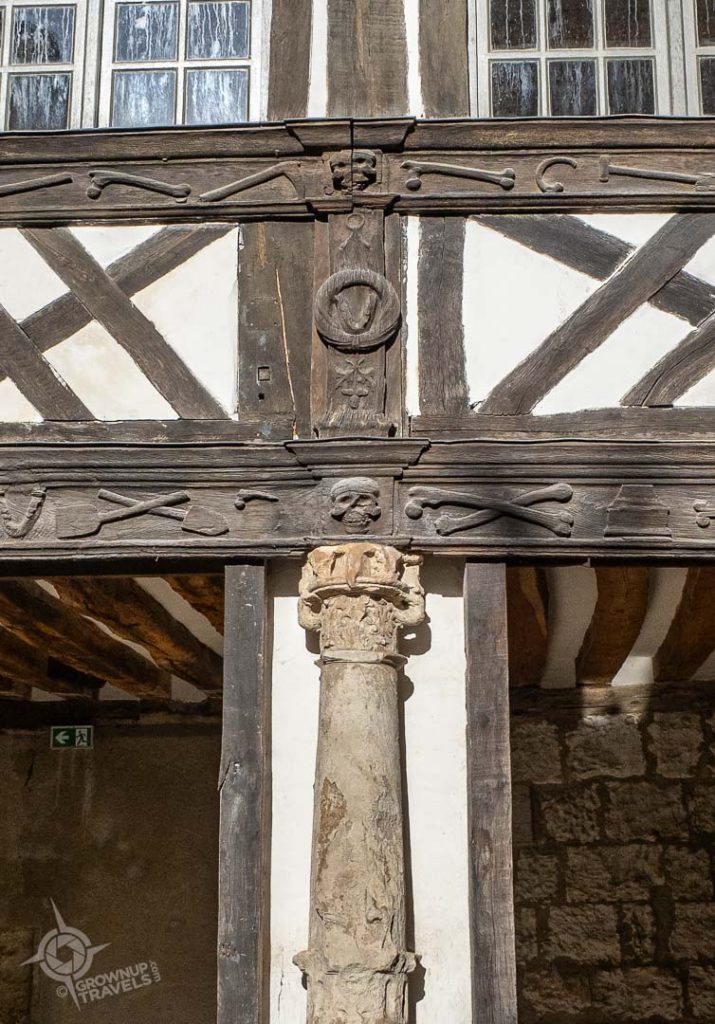
Not far from Saint Maclou is one of Rouen’s more unusual attractions with a somewhat macabre history: the Aître St-Maclou, a peaceful open courtyard surrounded by medieval timbered walkways and porticos.

At first glance this looks like a private church cloister or garden, but in fact, this place served as a cemetery (aître) for the Maclou neighbourhood, one of Rouen’s largest in the 13th century. But when the Black Plague took hold of Rouen and killed three-quarters of Maclou’s residents, the cemetery became a ‘plague pit’ to bury the dead en masse. To accelerate the decomposition of the bodies, lime was thrown into the pit, leaving just the bones. Two hundred years later, when the Plague revisited Rouen, space was needed for the next wave of bodies, so 2-story wings were built around the courtyard, and the upper attics were used as ossuaries where the old bones were placed after being exhumed from the central courtyard pit to make room for the ‘new’ly-dead’ plague victims.

In the centuries following the Plague, cemeteries were banned in the city centre, and the bones from St-Maclou were relocated to cemeteries outside the city limits. The Aître St-Maclou remained however, and the buildings were repurposed as many things, including as a school for poor boys from the neighbourhood, and later a boarding school for girls. Today, it is home to the Regional School of Fine Arts and the only bones you will see here are the carvings on the timbered buildings and their columns. In fact, these carvings showing the ‘Danse Macabre’ are the only intact 16th century examples of their kind in Europe, showing death ‘dancing’ with mortals from all levels of society. A reminder that from peasants to aristocrats, and from to kings and popes, Death doesn’t discriminate by social strata.
5. Works of Art Wrought in Iron
Like with the Aître St-Maclou, Rouen has found other modern uses for former religious sites and structures in the city. One of these is the 15th century Saint Laurent church, which since 1921 has served as home to the Musée le Secq des Tournelles, a collection of over 14,000 wrought-iron artifacts from all over Europe.

Although I would not have put a wrought-iron ‘art collection’ at the top of my list of what to see in Rouen, this niche museum turned out to be surprisingly fascinating, and offered a glimpse into the everyday objects that help bring history to life. Ordinary household items become art pieces thanks to the craftsmanship of these metal workers, even for things as mundane as clothes irons and their trivets. I imagine any woman who received a personalized iron like this one would have been very pleased at the time.
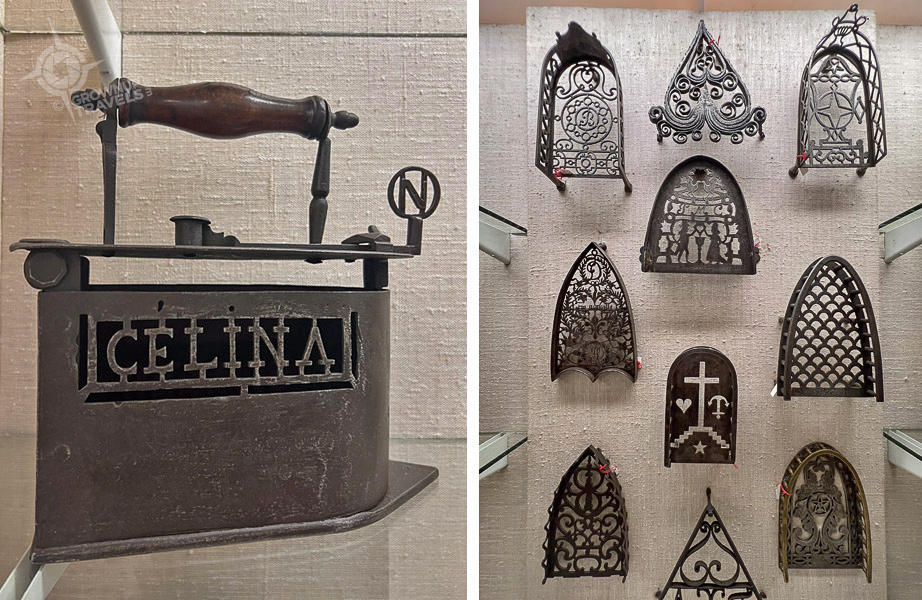
The architecture of the church also makes an excellent backdrop for some of the metal gargoyles, shop signs, and other larger decorative pieces more commonly associated with these metal works.

Even though I wasn’t expecting to be so impressed, the finesse demonstrated in the examples of wrought iron jewellery, and elaborate keys and locks are as intricate as any sculpture found in fine art museums.
6. Fine Arts are in Rouen’s DNA
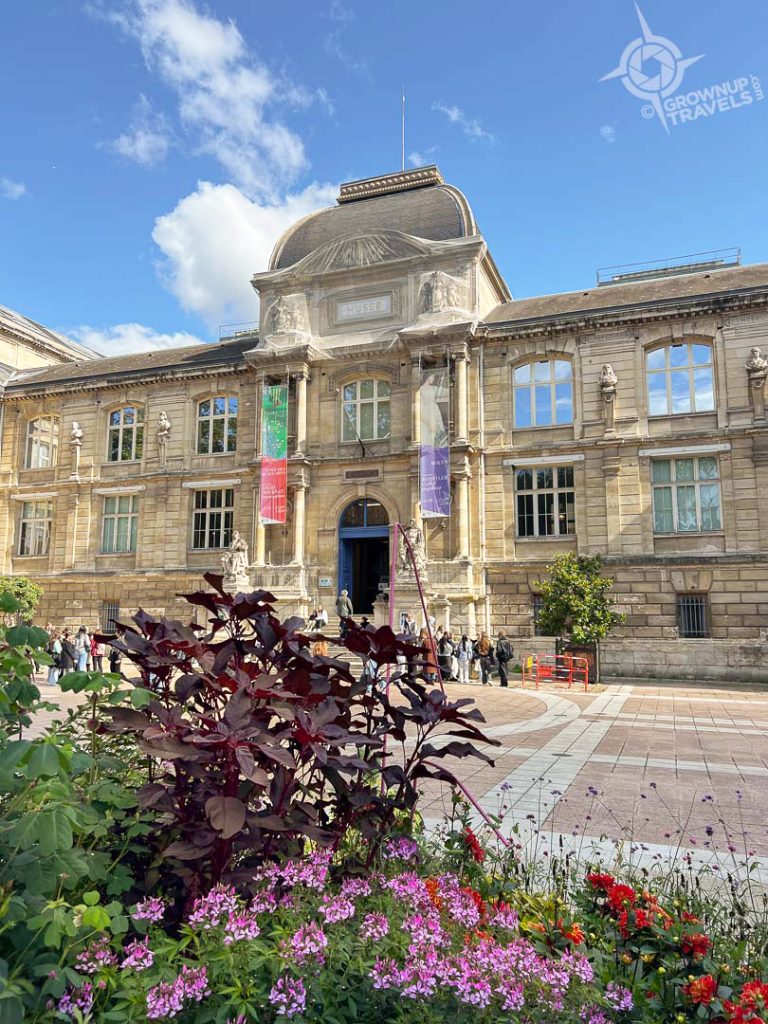
If you are a gallery-goer and museum lover, the city’s Musée des Beaux Arts should definitely make it onto your ‘what to see in Rouen’ list, especially if you are a fan of Impressionist painters like Claude Monet, Camille Pissarro, or Maurice Lemaitre, all of whom spent time in the city. Because of this, the museum’s permanent Impressionist gallery has quite a robust collection of works by these artists.

The Musée also regularly hosts temporary exhibitions that bring in other masterpieces, such as the David Hockney show that was on at the Museum during our visit as part of Normandy’s 150th anniversary of Impressionism.
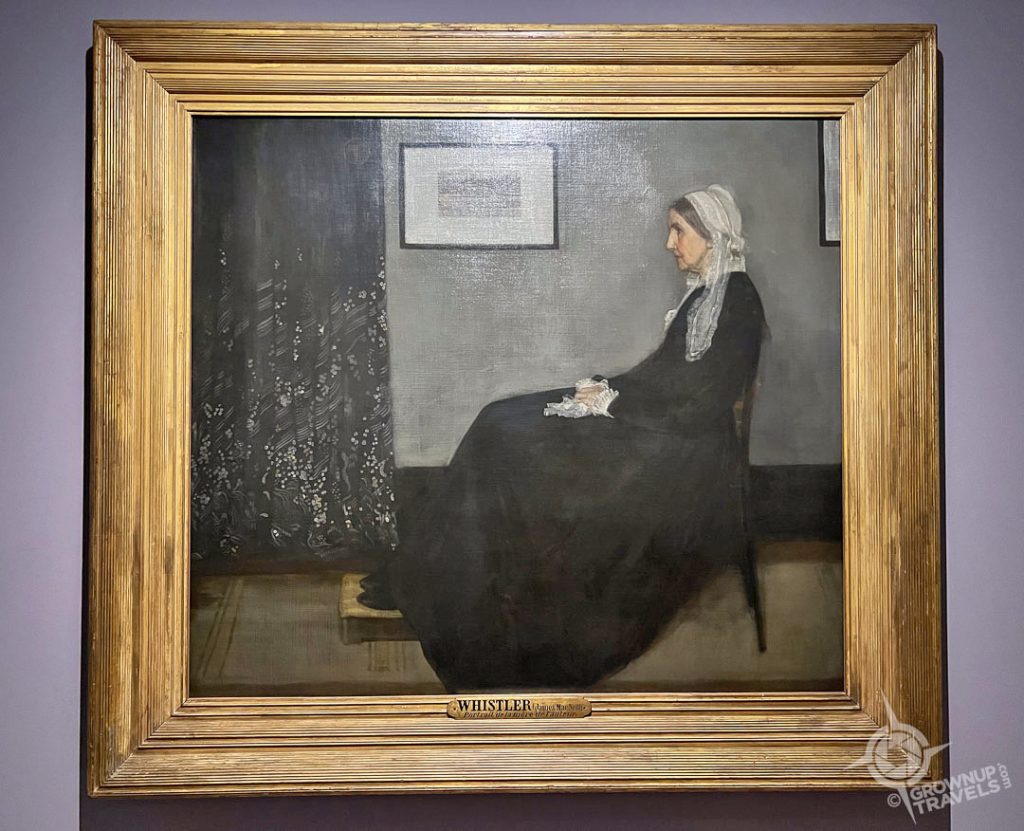
There was also an exhibition of works by American painter James McNeill Whistler and other artists who were influenced by both his painterly style and his artistic persona. The painting known as Whistler’s Mother was a feature in the show, but I was equally impressed with some of the other portraiture that was inspired by this iconic image.
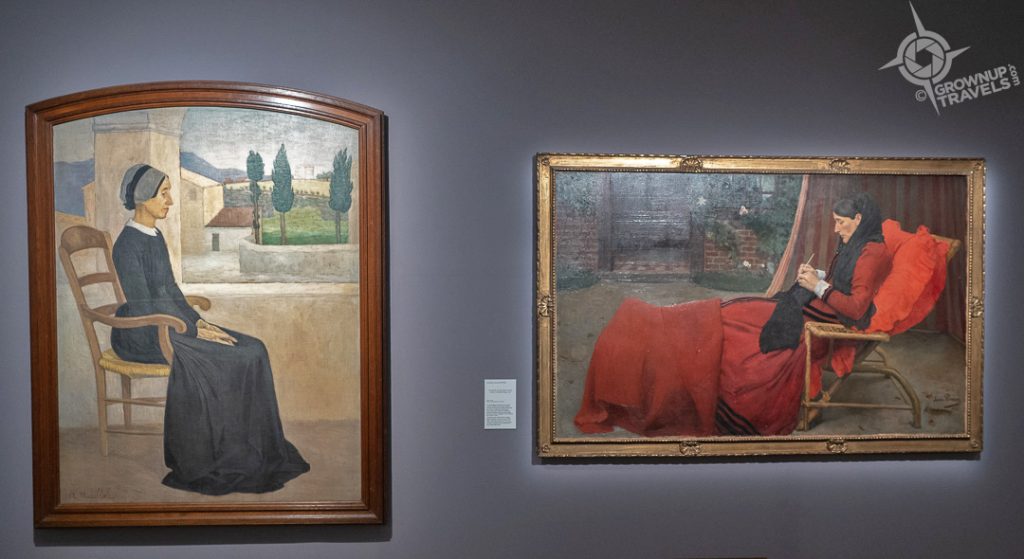
7. Claude Monet’s Muse: Rouen’s Notre Dame Cathedral
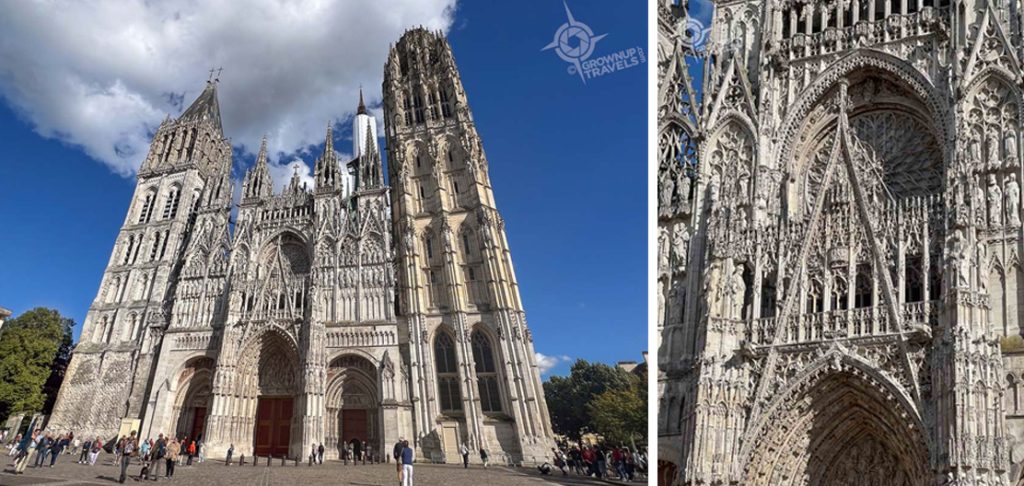
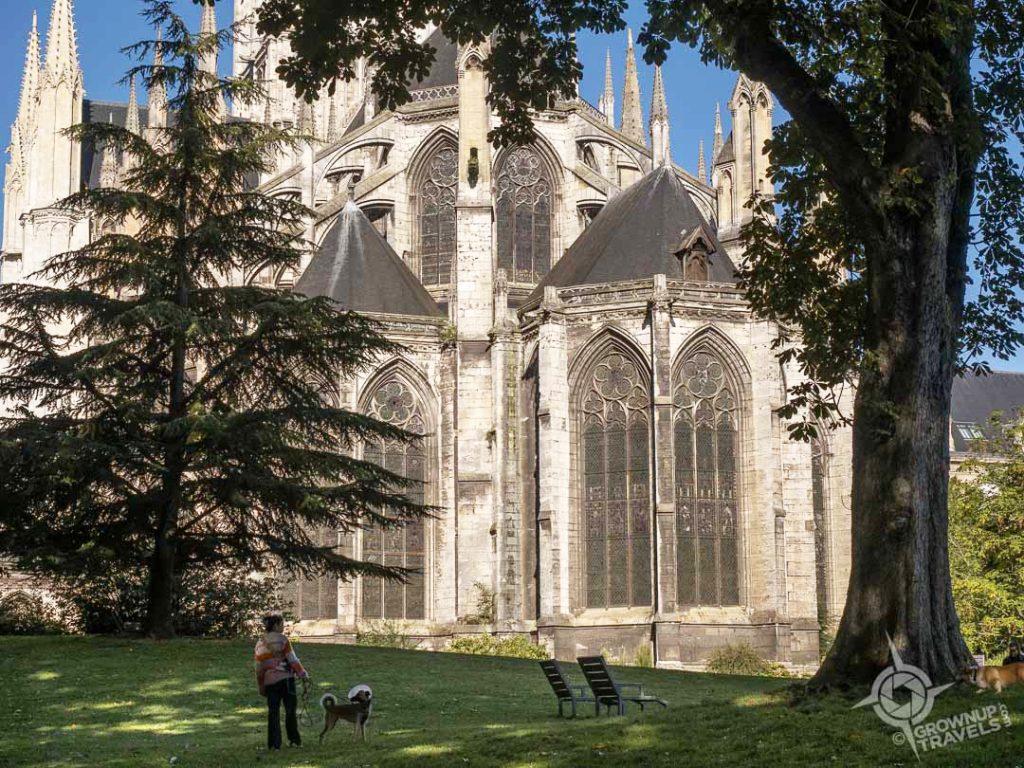
Number one for many visitors on the list of what to see in Rouen is the city’s Notre Dame Cathedral, a magnificent building that is one of the most famous in the world, not just because of its own intrinsic beauty and scale (it is the tallest in all of France), but because of its biggest fan, Claude Monet, who over the course of 9 years painted 30 different views of it.
It’s easy to see why the Cathedral could inspire such a prolific outpouring of art: the structure is a visual encyclopedia of 800 years of evolving architectural styles, from Romanesque to Gothic to Renaissance. That is because during these eight centuries, the Cathedral saw many revisions and additions from various patrons, and numerous repairs following the destruction by the Vikings, lighting, fire and even World War II bombs.
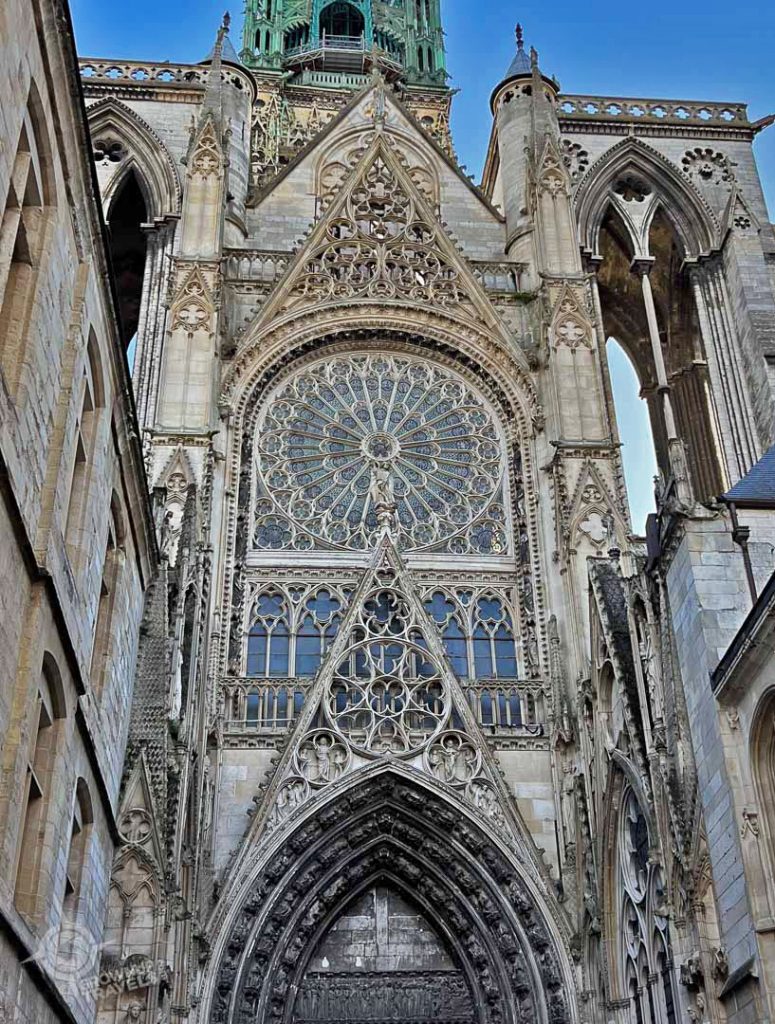
The resulting building, even with all its additions and various architectural styles, is stunning and somehow it all works together aesthetically: each of the three towers on the front facade is unique yet the three still feel balanced, and each chapel added to the sides of the Cathedral has its own design but somehow feels cohesive with the whole.

The intricacy of the stonework is incredible, and every change in light during the day highlights different details in the construction and decoration of the church. Monet tried to capture the light and how it changed the character of the building in his 30 paintings, but even he would probably be the first to admit that “the further I get, the more I seek the impossible and the more powerless I feel.”
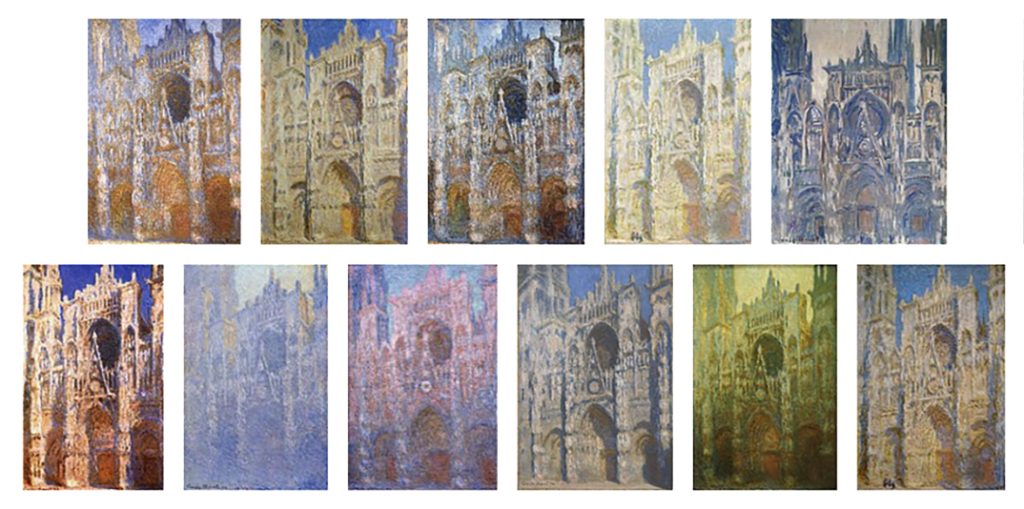
FUN FACT: Monet rented a second-floor studio space directly opposite the Cathedral’s main entrance, in order to capture the light on it at various times during the day, often working several canvases at once. His studio space was beside the upstairs dressing room for a women’s lingerie shop, and apparently Monet’s frustration in trying to paint the Cathedral came out in the form of very loud profanity – so loud that he offended the ladies and was asked to leave by the landlord.
8. The ‘Heart of a Lion’ Rests in Rouen
Monet isn’t the only famous name to be associated with Rouen’s Cathedral, just one of the more recent ones. Inside the Cathedral are the tombs of some of the most storied figures in Normandy’s history, including Rollo, the Viking invader who later became the first Duke of Normandy and his son William Longsword who followed him.
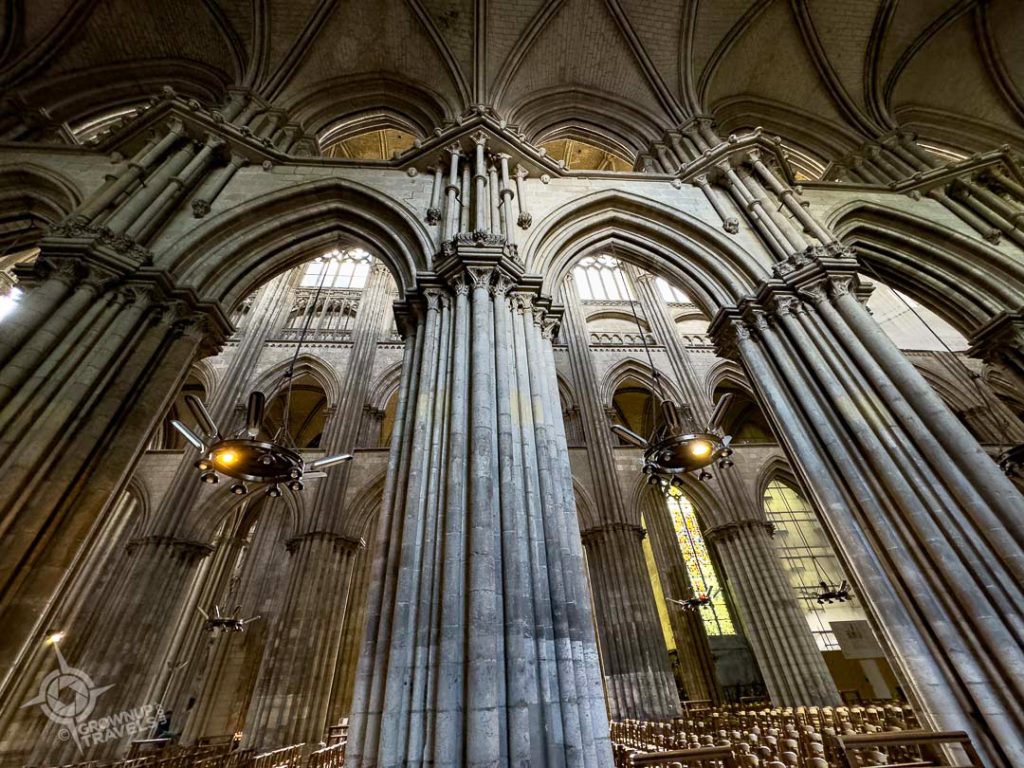
It is also here that you will find the tomb of medieval England’s King Richard the Lion Heart who died in 1199, although it is not the legendary king’s body that is buried here, but only his embalmed heart. This relic was only discovered in 1838 during an excavation at the Cathedral when the workers found a small lead box containing the heart’s mummified, powdery remains with an inscription that said: “Here is the heart of Richard, King of England”. Scientists were able to forensically analyse the remains along with other elements used in the embalming process, which helped confirm the time of year the king died (spring) and that he wasn’t felled by a poison arrow as some accounts suggested. As for the rest of the Lion-Hearted King? Well, Richard’s entrails are buried in Chalus, France, where he was killed, and his actual body is entombed in Fontevraud Abbey in the Loire Valley. (a way of ‘spreading the love’ around the country, a common practice of the time)

TIP: Legend has it that Richard requested that his heart be buried in Rouen as a symbol of his love for the city and its fiercely loyal inhabitants. Today his heart is re-interred in the Cathedral, and while you can’t actually see these remains on display, you can see the King’s tomb.
9. Rouen’s Most Famous Martyr, Jeanne d’Arc
Perhaps the most famous woman associated with the city of Rouen is Jeanne d’Arc (Joan of Arc) whose almost mythical life has been romanticised in books and films for more than six centuries. But it wasn’t because Joan was born in Rouen: it was because she was burned at the stake here as a sorceress, heretic and ‘unconventional’ woman, despite having become a heroic figure in the biggest conflict of the 15th century, the Hundred Years War between England and France. But before you visit the spot where she died, here’s a little history…
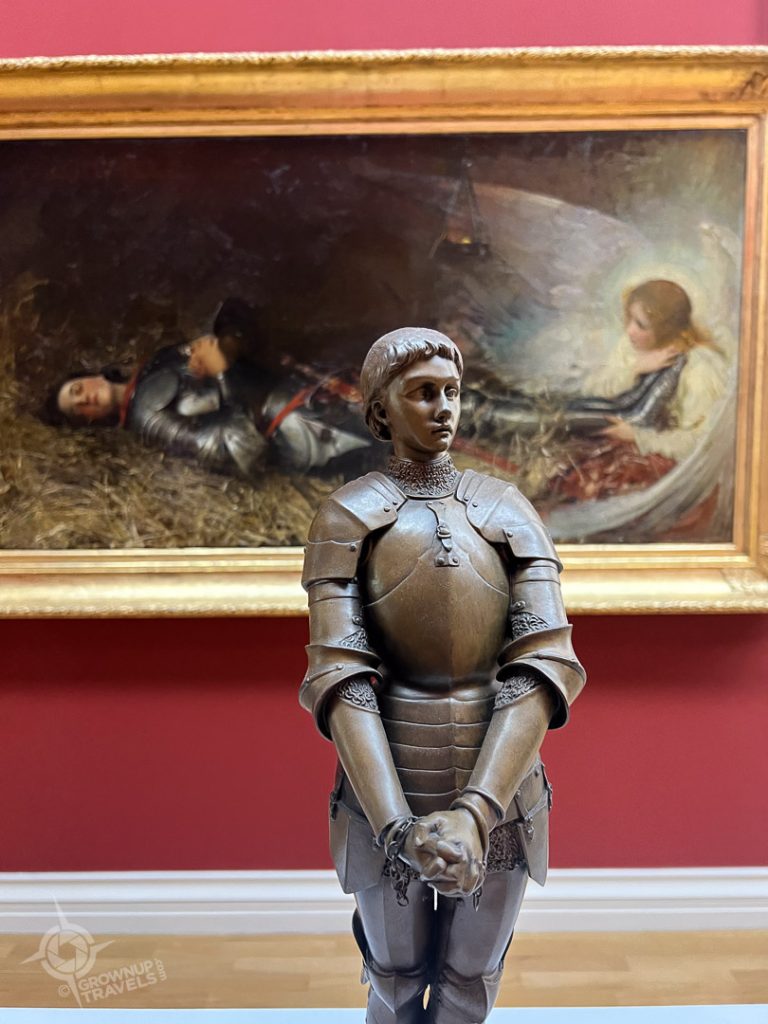
As a 16 year-old peasant girl, Joan began to hear ‘divine voices’ of 3 saints who told her that she had been chosen to help the French king take back the cities and territories that had been lost during the war with England. Somehow Joan gained an audience with King Charles VII and managed to convince him to provide her with an army to lead into battle against the English. Donning men’s clothing – no doubt to help legitimize her in the eyes of an all-male army, and for practicality in battle – Joan achieved the impossible and despite being wounded in two battles, managed to retake the cities of Orleans, Reims, and Paris, helping to re-install Charles VII on the French throne.
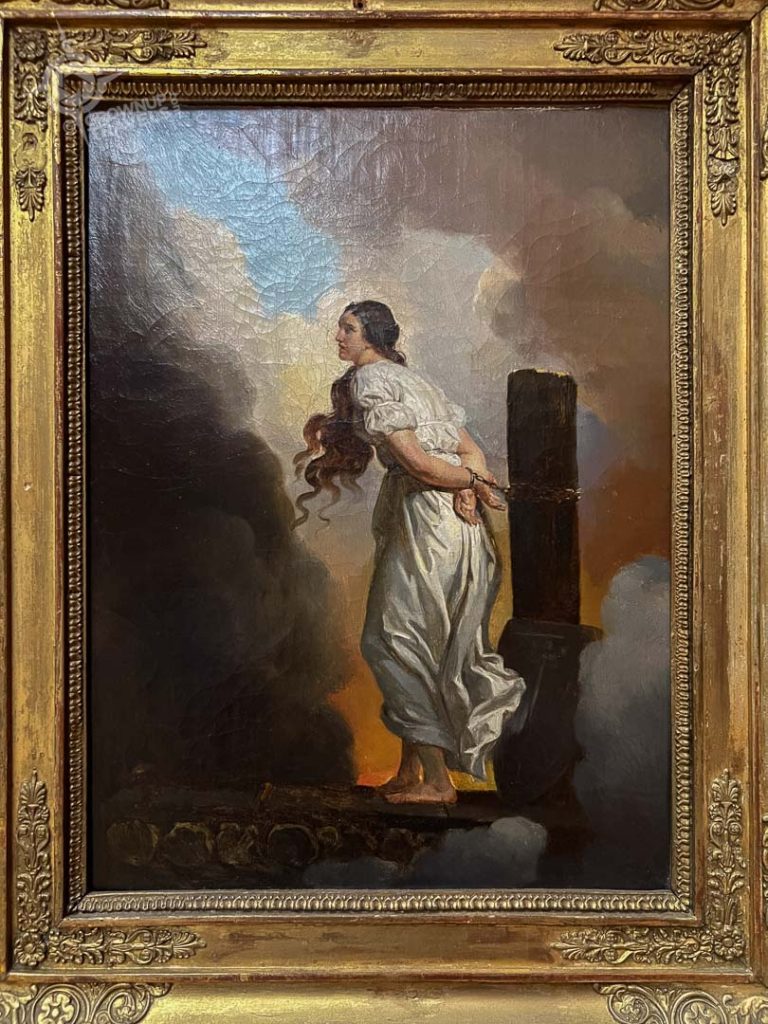
After that, things started to go very south for Joan. She was captured and sold to the English, who handed her over to the church authorities in Rouen who put her on trial for heresy. (Church leaders were not big fans of a young woman who took her instructions directly from the heavens, and the fact that she stubbornly continued to cross-dress didn’t go over well either. ) At the age of 19, Joan was sentenced to death, and on May 30, 1431, she was burned at the stake in the centre of Rouen in their Vieux-Marché. Today a cross marks that very spot in the market square.

NOTE: The modern church of Jeanne d’Arc is located near the cross commemorating Joan’s burning, but has nothing else to do with Joan other than its name. (But it does have a very cool Scandinavian Viking-inspired design that looks like a dragon.)
Joan’s story didn’t end with her dying at the stake, however: in fact, Joan was so great a threat to the church that her body was actually burned 3 times, so that no bit of her would remain as a relic that might be venerated by the public who loved her. Perhaps the ultimate irony came almost 600 years later, in 1920, when the same Church who had executed Joan canonized her and recognized her as a saint.
TIP: Visitors to Rouen can delve deeper into the story of Joan of Arc via the Historial Jeanne d’Arc, a digital immersive experience inside the Archdiocese of Rouen. The presentation provides insight into the political climate and the circumstances that surrounded Joan’s trial, and the historical palace is the perfect venue to bring it to life as you move from room to room on 5 levels of the very building where Joan’s fate was decided 6 centuries ago.
(Note that there are several flights of stairs that you will need to climb to access the Tower as part of the tour, so if accessibility is a problem, speak with the museum staff before buying your ticket.)
10. Dine like Julia Child Did in a UNESCO City of Gastronomy
Joan of Arc may be the most famous female heroine associated with Rouen, but for foodies, another equally iconic name has modern ties to this city: the American chef, author and TV personality, Julia Child. It was in this city, at La Couronne, reputedly the oldest tavern in France, where Julia had her first meal in France on November 3, 1948 (literally a stone’s throw from where Joan of Arc died).

Julia was so inspired by what she described as “the most exciting meal of my life” that she decided to introduce the world to French cuisine, and over the next 50+ years did exactly that through her cookbooks and television shows, helping to revolutionize the way many North Americans cook today.
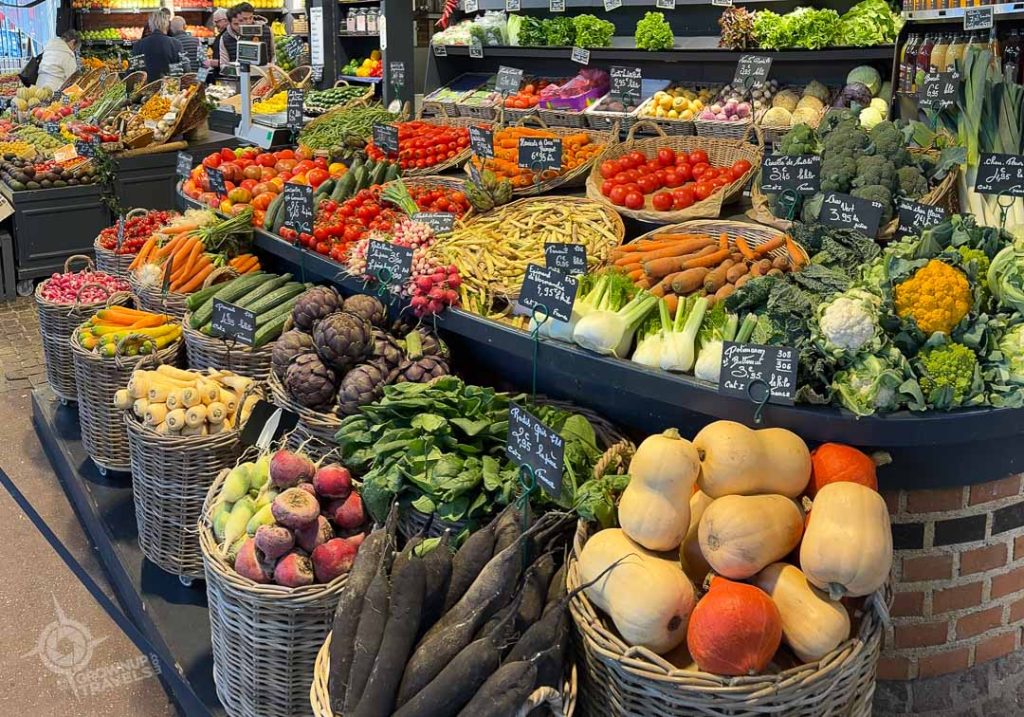
Today, Julia fans can still order the exact same meal that the famous chef enjoyed, right down to the wine pairing (a Pouilly Fumé). But even if you’re not a Julia Child fan, it’s still a great excuse to enjoy some authentic Normandy cuisine! After all, Rouen is a destination known for its food, and in 2021 it was the first French city to be designed a “City of Gastronomy” by UNESCO.
From Artists’ Palettes to Foodie Palates
As the capital of Normandy, Rouen has always been a place steeped in history, a city that has thrived despite plagues and century-long struggles for political and military dominance. But it’s also a city that lives in the present and for its future. Its picturesque, character-filled medieval buildings house modern-day shops and cafes, former cemeteries are home to art schools, and 15th century palaces now host 21st century immersive experiences. Like its Cathedral that has evolved over the centuries, Rouen has always been a work in progress, which means there will always be something here for everyone to see and discover whether they are fine art lovers or fine dining aficionados. So when you wonder what to see in Rouen, the best answer is to go see for yourself.
If your experience is anything like ours, Rouen is sure to capture your imagination, the way it did the heart of one of England’s greatest kings.
PRACTICAL INFORMATION FOR VISITING ROUEN
WHERE TO STAY IN ROUEN:
Novotel Rouen Center Cathedrale is a brand new hotel that opened in April 2024, housed in an art deco building that formerly served as the city’s Chamber of Commerce (Palais des Consuls). The location is right on the banks of the river Seine, and about a 10-minute walk to the historic centre of Rouen.


The rooms are large, stylish and modern with cozy robes and slippers provided, and you can even open the window to enjoy the fresh air (something rare in hotel rooms these days). A good selection of hot and cold breakfast options are served buffet-style in the Italian restaurant, and there is even underground parking and a pool on-site. A nice sustainability touch: they offer you a free drink at the bar if you are staying for 2 nights and waive cleaning the room.
WHERE TO EAT IN ROUEN:
The Vieux-Marché area is a great location for dining in Rouen, as there are many restaurants clustered in and around this central square offering all kinds of choices in cuisine. For modern bistro selections, check out Gil Côté Bistro which has both prix-fixe and a la carte menus that are reasonably priced, stylishly presented and as delicious as they look.

The menu offers a good variety plus seasonal and daily specials based on what is available locally. (We had the duck terrine, fish, pork and a soufflée that tasted like a chocolate cloud!) Another thumbs up: we chatted briefly with local diners who are regulars here because they love the food, too.

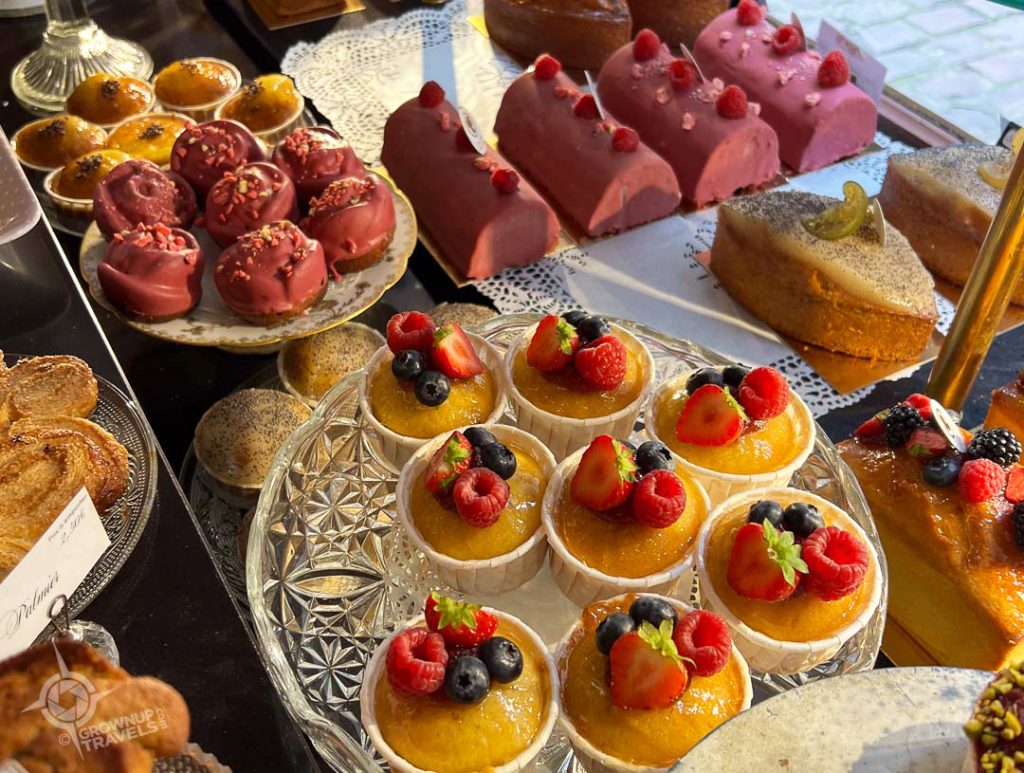
A patisserie is a must in France, and I spotted this Art Nouveau gem on day one: Dame Cakes. The desserts are as beautiful as the decor inside this cafe, which used to be the workshop and store of the famous ironworker Ferdinand Marrou, who created iron ornamentation for many of Rouen’s most important historical buildings and churches. Enjoy dessert and a hot drink in their tearoom or book a delicious light lunch from their menu. The selection of meals, teas, desserts and chocolates is excellent.
Special thanks to Normandy Tourism and Rouen Tourism who hosted part of our stay in Rouen.


Jane is an award-winning travel writer and photographer and an accredited member of the Travel Media Association of Canada (TMAC). In their annual awards competition, TMAC named GrownupTravels.com as the Best Self-Published Travel Blog in 2025 .
She is also a member of the North American Travel Journalists Association, and a freelance travel writer contributing to both print and online publications.





Great. visit to France. Thanks for the tagalong.
Do you have any recommendations for tours organised by individual drivers on the basis of your 10 tips above.
We are on a cruise ship docking on friday morning. July 10. I am not a le enough to walk far between buildings. Alternatively could you give me an of the walking distances between sites 1 to 2 to 3 and so on just to see if is doable with maybe stops in between .thanks for you help isobel muirhead