

I see dead people. But in a good way.
It’s my first visit to San Antonio, Texas, and I have specifically timed our visit to take in the annual Day of the Dead celebrations, knowing that this is the largest celebration of its kind in the United States. The colourful imagery associated with this Mexican festival has always attracted me, but as I learned more about the origins and significance of Día de los Muertos, I realized that there was much more to this festival than meets the eye. Because this centuries-old tradition isn’t just a positive way to keep loved ones alive in our memories, it’s a way of normalizing death which, although it may seem like a contradiction, is an unavoidable part of life.
Origins of Día de los Muertos
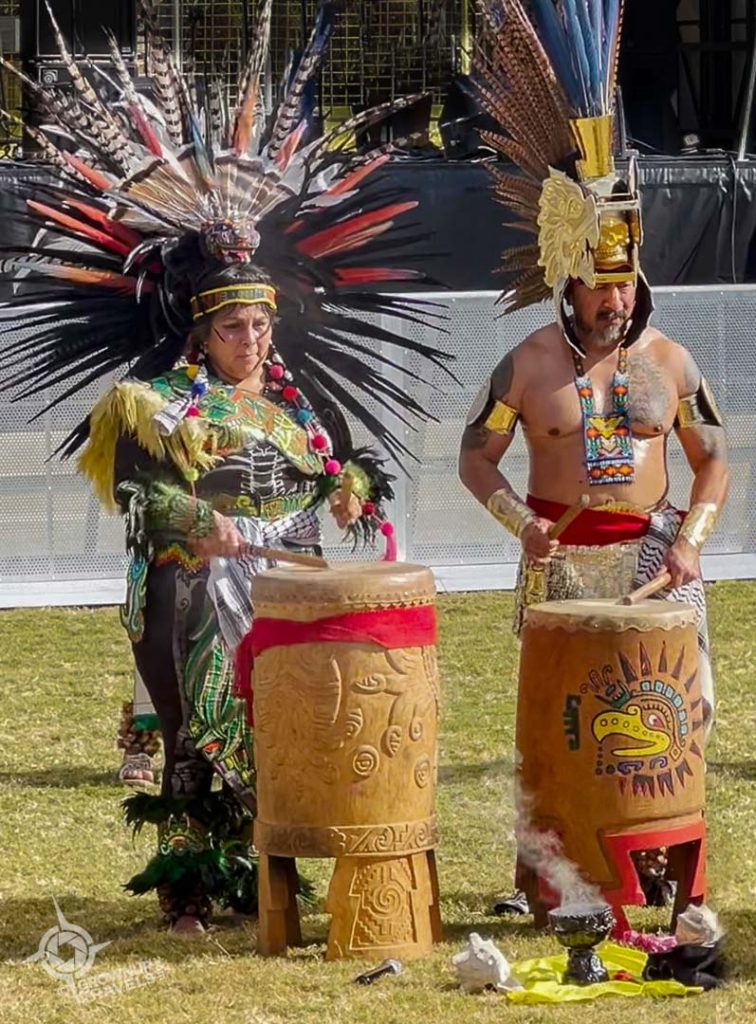
The Day of the Dead (Día de los Muertos in Spanish) has its origins in both pagan and Christian beliefs. Before the arrival of Europeans in Central America, the Aztecs believed that the dead were not gone forever but maintained an intimate relationship with the living, who made offerings to them and the goddess of death, Mictecacíhuatl. They also believed that at a certain time of the year, a ‘bridge’ opened between the two worlds, when those who had died would return to their families and be part of the celebrations honouring them.
When Spaniards arrived in the 15th century in what is now Mexico, they refused to recognize these Mesoamerican beliefs and instead introduced their own Christian customs and days of worship that corresponded to the Catholic calendar: All Saints’ Day and All Souls’ Day which take place on November 1st and 2nd respectively. The two days may seem a little redundant, but each actually recognizes different things with their own origins in early Christianity: All Saints Day evolved from what was originally known as All Martyrs’ Day, recognizing the early Christian believers who had been killed specifically for practicing or defending their faith. To honour these early martyrs, the living said prayers on their behalf, and in the early centuries after the death of Jesus Christ, altars were sometimes built over their tombs.
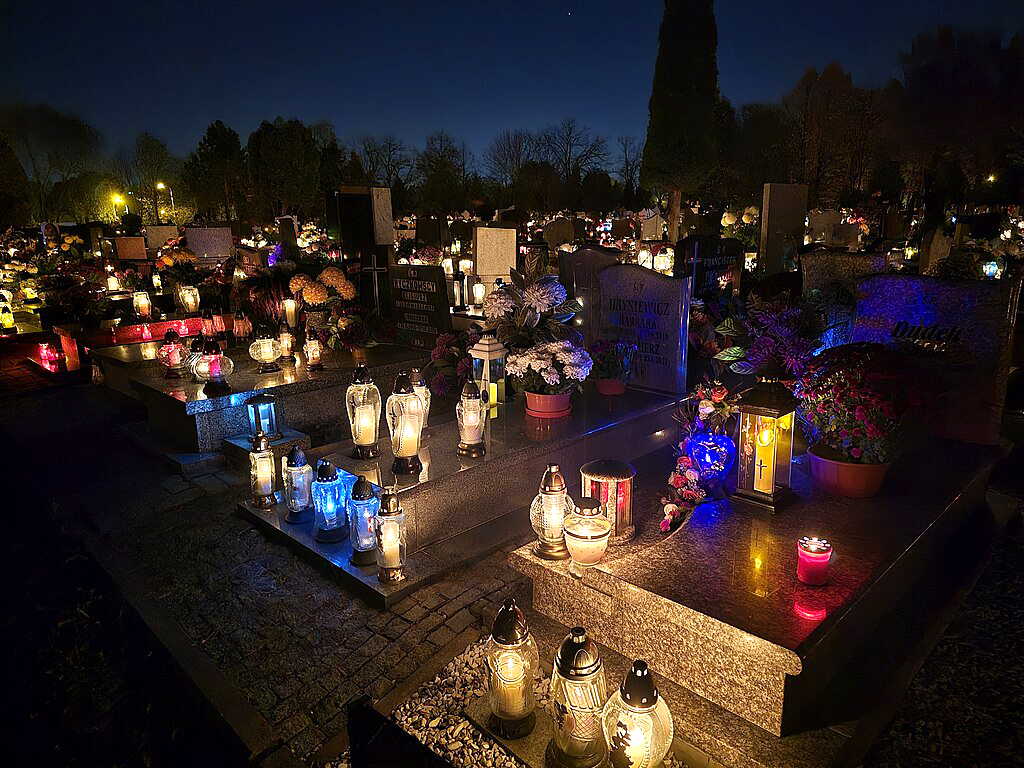
All Soul’s Day actually came later, and referred not just to martyrs, but to all Christians who died for any reason, with a Commemoration of the Faithful Departed on November 2nd, a date which was added to the calendar by a French Benedictine abbott, St. Odilo, sometime between 998 and 1030 AD.
Centuries later, the Día de los Muertos celebrations found its own hybrid way of acknowledging both of these dates, with November 1st being dedicated to infants and children who died (the ‘angelitos’), and November 2nd honouring adults.
How to Celebrate Day of the Dead in San Antonio: Muertos Fest at Hemisfair
There are several must-do events and activities to take in during Day of the Dead celebrations in San Antonio. One of these takes place at Hemisfair, the legacy exhibition grounds from the city’s 1968 Worlds Fair. For 2 days in late October, this site becomes the home of Muertos Fest, a celebration that includes music, food, dancing, processions and art exhibitions. Featured here are more than 80 altars (“ofrendas“) that are one of the traditional components for all Day of the Dead celebrations.
View the Ofrendas at Muertos Fest
Day of the Dad ofrendas take many different forms, and have evolved over the generations from traditional tiered altars to more creative interpretations. But the objective is always the same: to honour the people who have died and keep alive their memory and the contributions that they made when they were alive.
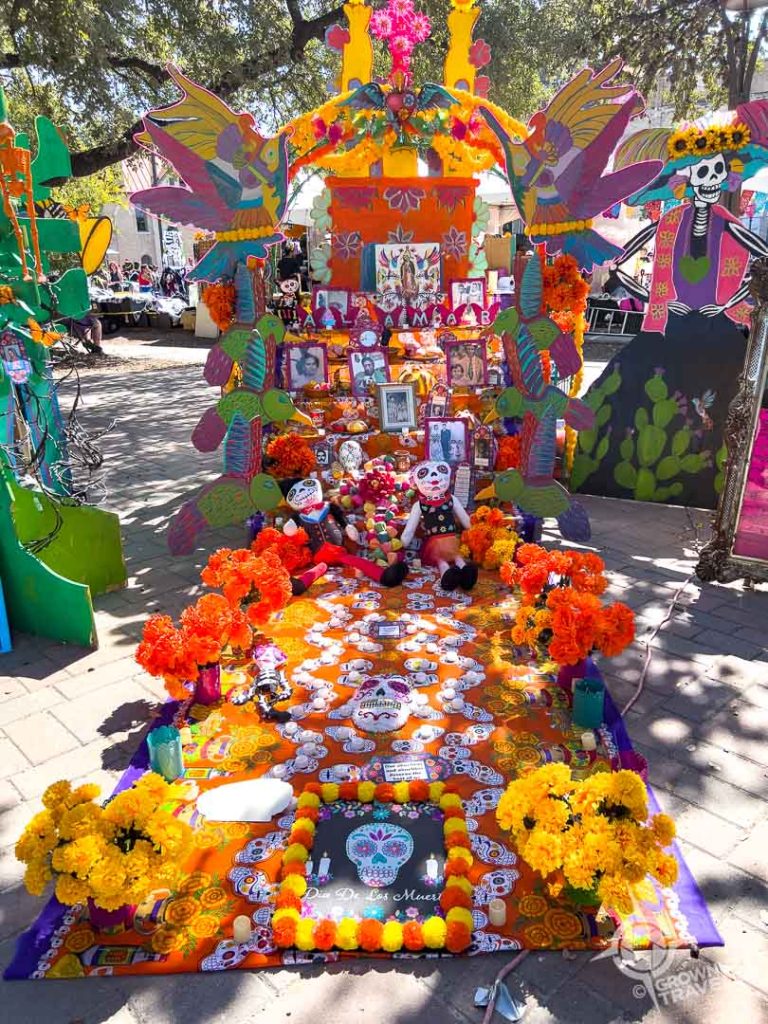
Each year the Muertos Fest altars are chosen from a long list of submissions from individuals and groups in the San Antonio community, and there are usually family or group members present to explain the elements that make up the display. Visitors are encouraged to start a conversation or ask questions about the altars, since the families are more than happy to talk about the person or people being honoured. In fact, this is the whole point of creating these ofrendas, and one of the reasons why they play such an important part in the festival.
Strolling through the grounds, we saw all kinds of interpretations of ofrendas: one looked like a church, dedicated to 2 generations of women who were very active and dedicated to their faith which they leaned on for support and instilled in their children.
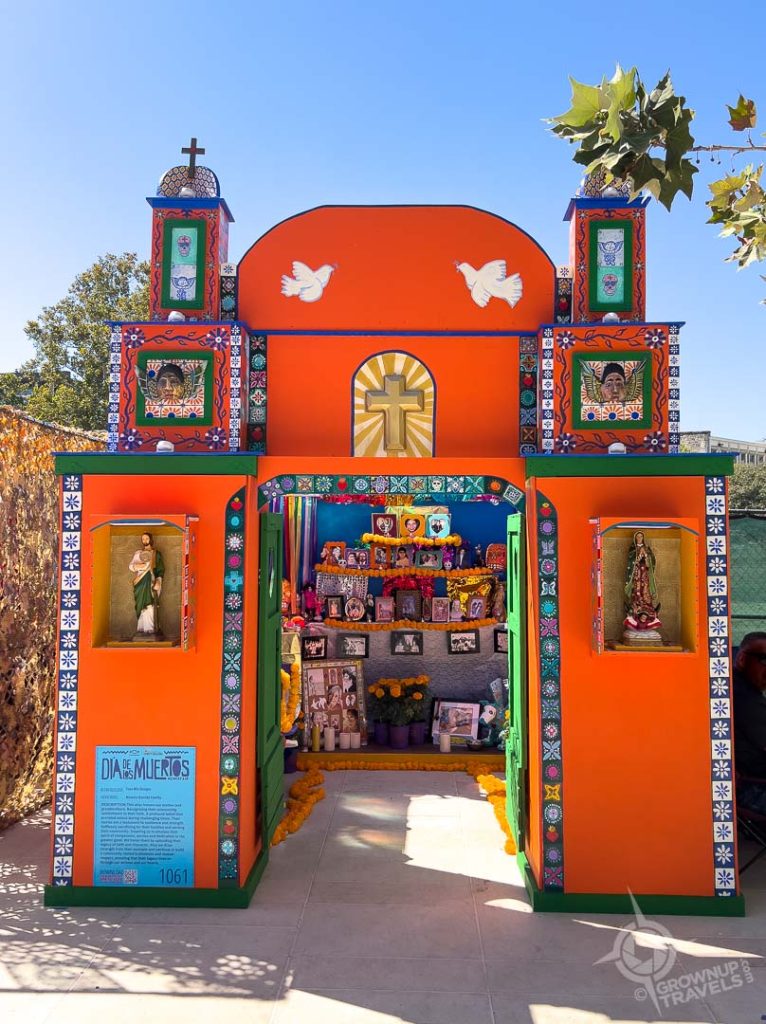
Another was a house honouring the matriarch who had died, remembered for her love of gardening and praised for her amazing food and the love she gave to the granddaughter she raised.
There were dedications to grandfathers, to mothers and fathers, to veterans who suffered from PTSD, and to cyclicsts who had died on San Antonio streets. There was a particularly moving one with a skeleton sitting in front of a games console, in remembrance of a 12 year-old boy who had loved playing video games.
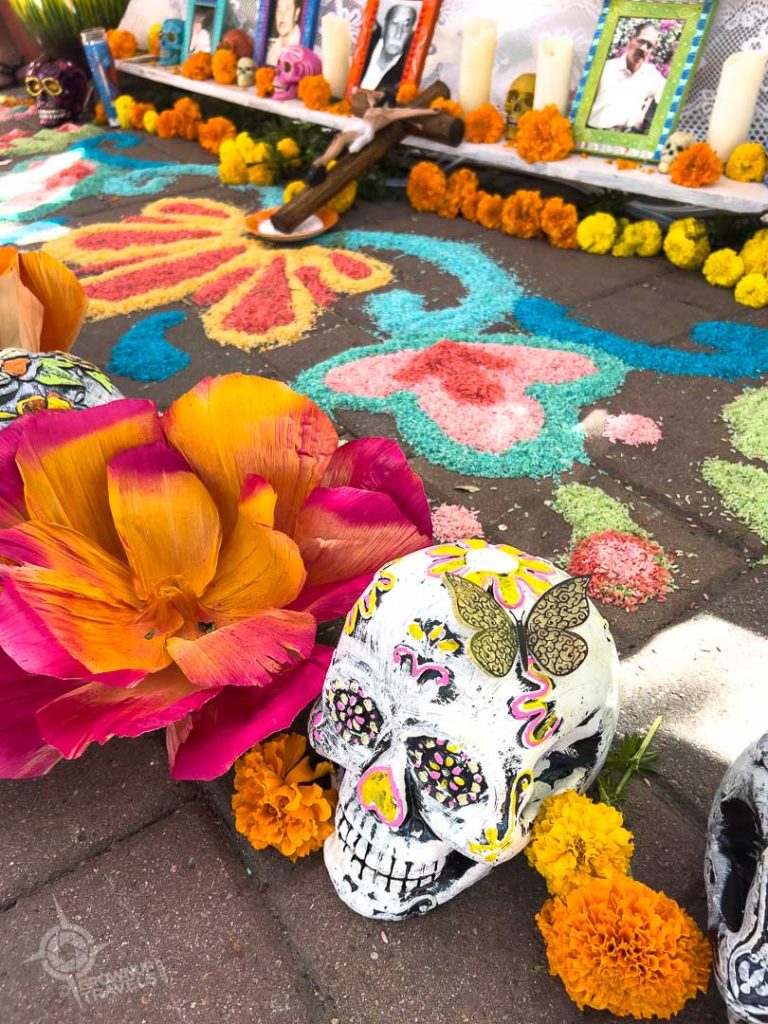
All of these individuals had their own life stories, and each display was a way for their families to remember and share those stories with others.
Symbolism and Traditions around Día de los Muertos
Having seen so many different ofrendas, we were curious to learn more about the traditions and symbolism associated with them, and we had that opportunity thanks to a ‘Secrets of the Altar’ educational presentation given by Jose de Jesus Maria de la Torre Gonzales.
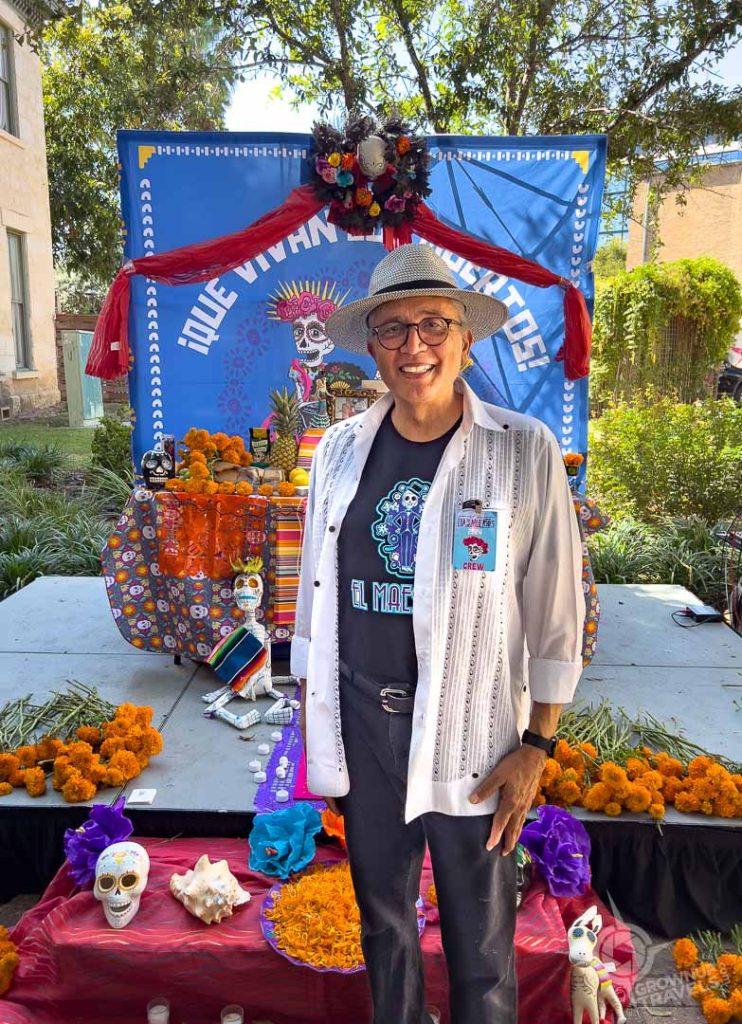
Jose is a charismatic speaker and a natural in front of a crowd. Even before the presentation, he was happy to chat with us and even shared a bit about his past, battling his own demons with alcohol before getting sober and becoming a teacher for 17 years. Today, de la Torre educates visitors to Muertos Fest by explaining some of the elements typically found on altars, and their significance in Mesoamerican and Mexican culture.
Traditional altars can be built with up to 7 levels, with items placed on them that symbolize the natural elements so important in indigenous culture: water, wind, earth and fire. Fire, for example, is represented by the bright yellow marigold flowers, or “cempasuchiles“, (pronounced sempa-suchee) whose strong scent is also said to help guide the spirits of the dead back to the land of the living. It’s why many altars include these flowers, and why their petals are often scattered on gravesites as a trail leading from the cemetery towards the family home.
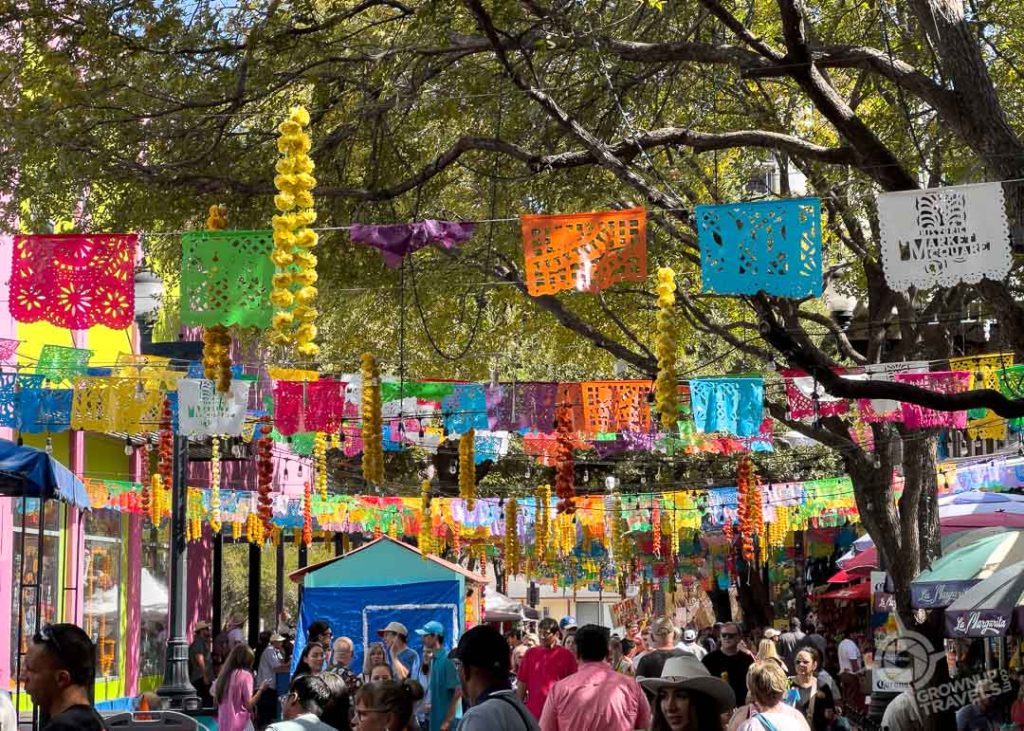
The colourful paper cutouts, or papel picado, that are often displayed as banners with designs of skulls, or animalistic creatures, represent the wind.
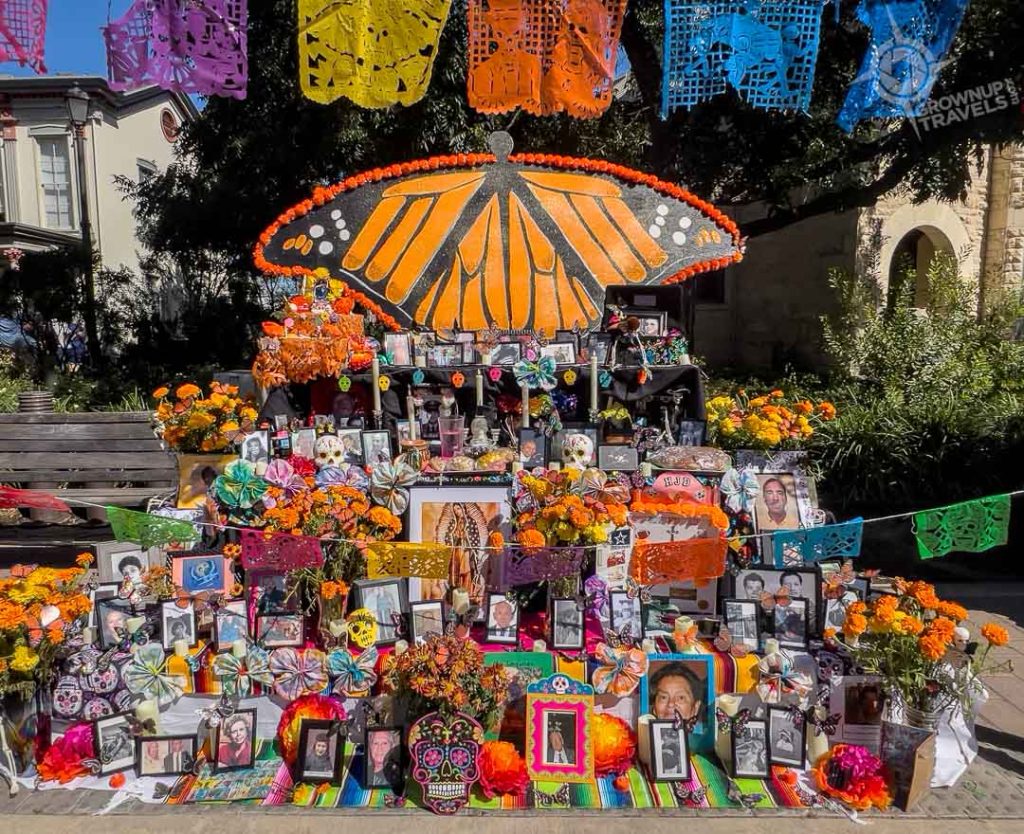
Water can be included in something as simple as drinking glasses or ceramic pitchers, and represents purification. Another interpretation is that water helps quench the thirst of the spirits after their long journey from the afterlife.
Food plays an important role on the ofrendas too, not just as a representation of the earth, but as a way to remember the loved ones who have died. Altars often display the favourite food or drink of the person, because as Jose put it, if you’re throwing a party for your family, you serve the things that you know they love.
Jose’s altar was a personal tribute to his grandmother, his father and his mother, and although he joked good-naturedly about his own background growing up in Mexico, when asked how he felt about building this ofrenda to his family, Jose paused, got a little emotional, and said that it makes him feel ‘like he’s a good son”.
It was becoming very clear to me just how important and personal this festival and its rituals are for so many.
La Villita: a Vibrant Downtown Hub for Day of the Dead in San Antonio
Another must-visit location during Day of the Dead in San Antonio is La Villita, (pronounced ‘veeyeeta’) an historic village that is now home to shops and galleries that showcase artisan crafts and hand-made goods. This village is listed on the U.S. National Register of Historic Places, as it was here that the city of San Antonio got its start in 1809. The village was restored in the 1940s to ensure it would survive as a monument to the people who had helped establish San Antonio, and today it is a vibrant showpiece for the city and home to dozens of festivals every year.
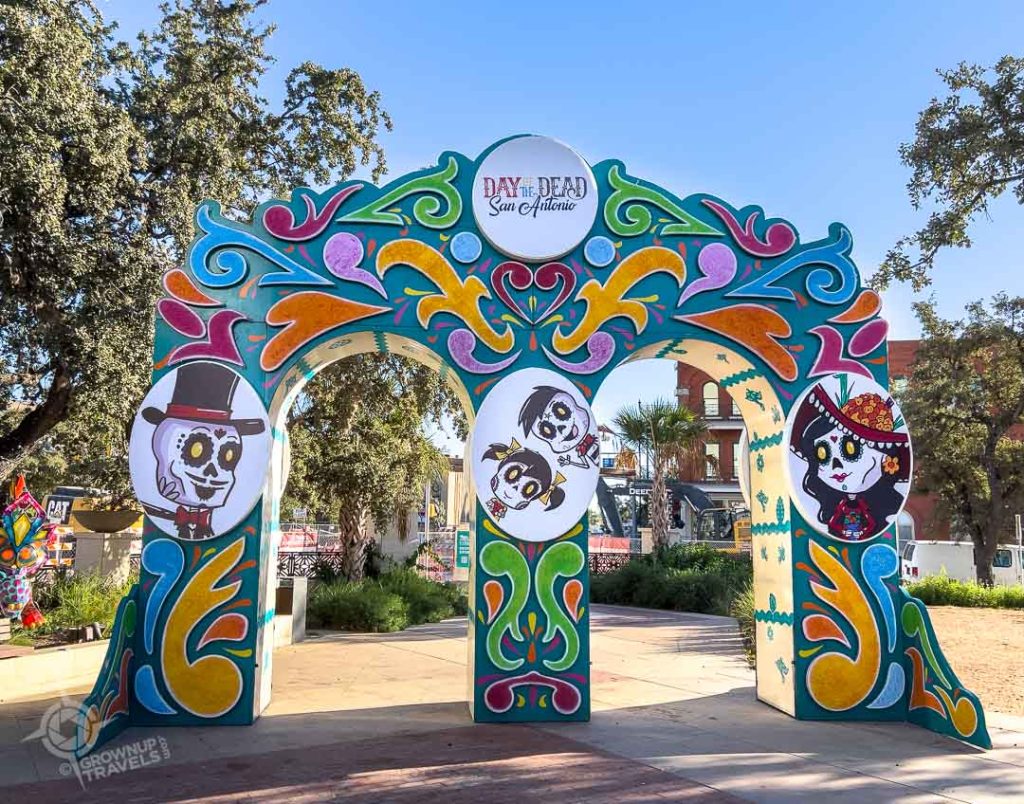
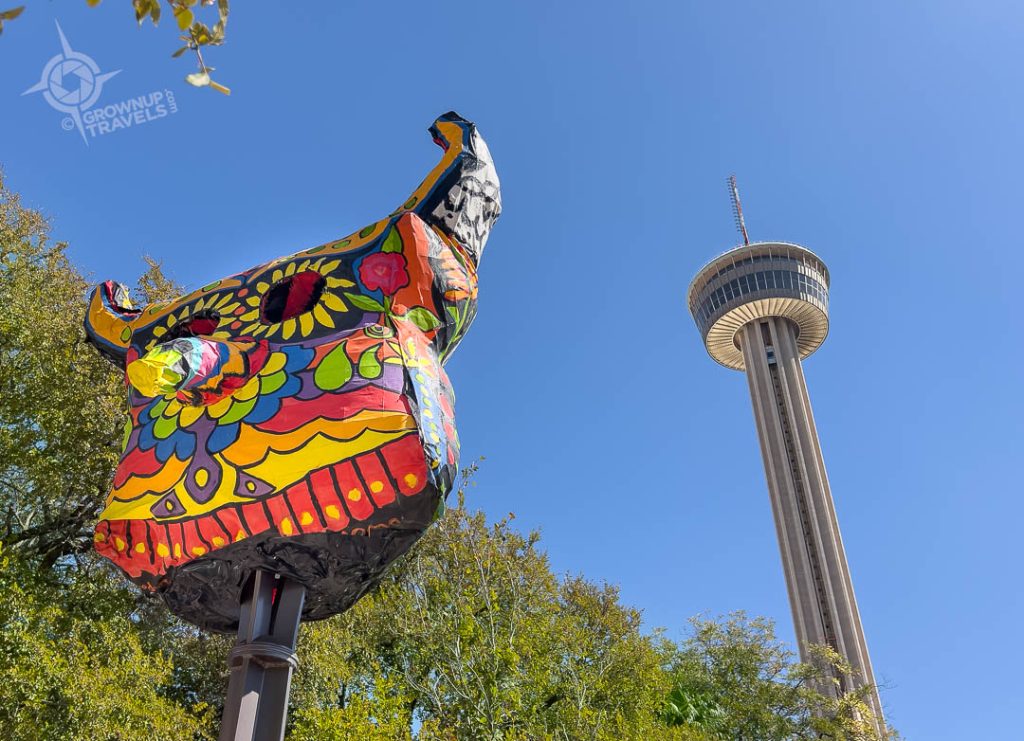
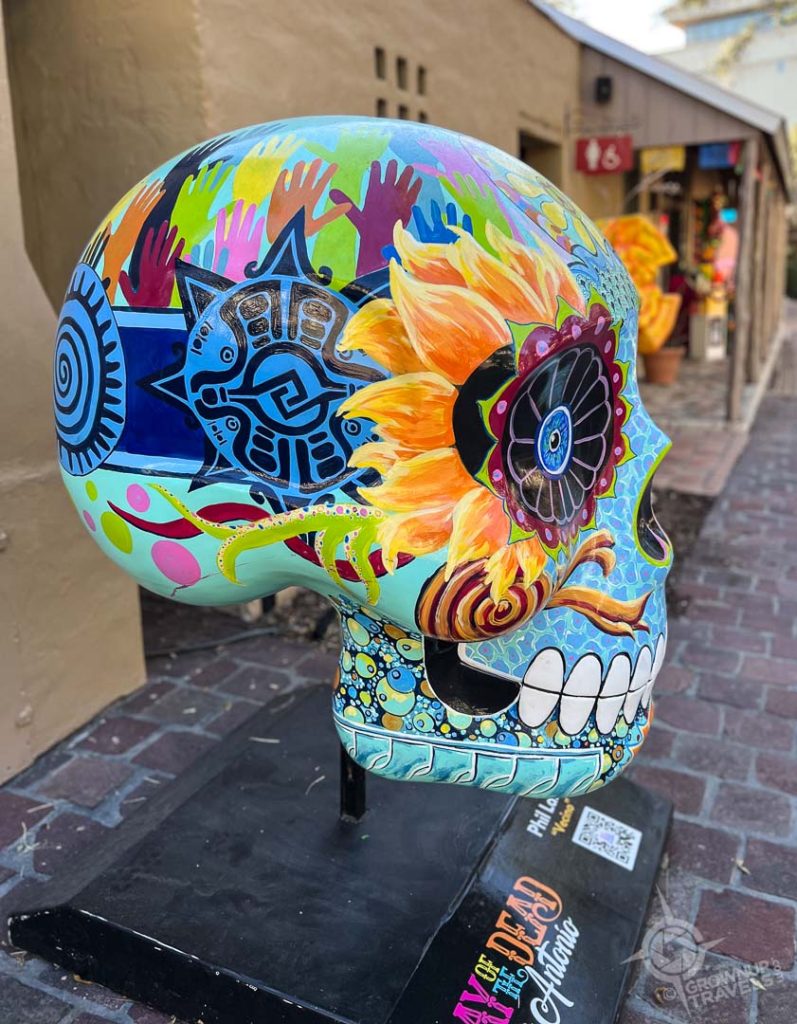
During Day of the Dead celebrations, La Villita comes alive with colour and light, with dozens of artistic installations that fit right in with the artsy atmosphere of this village. This year that included more than 25 giant skulls (“calavera“), each of which was painted by a different local San Antonio artist.
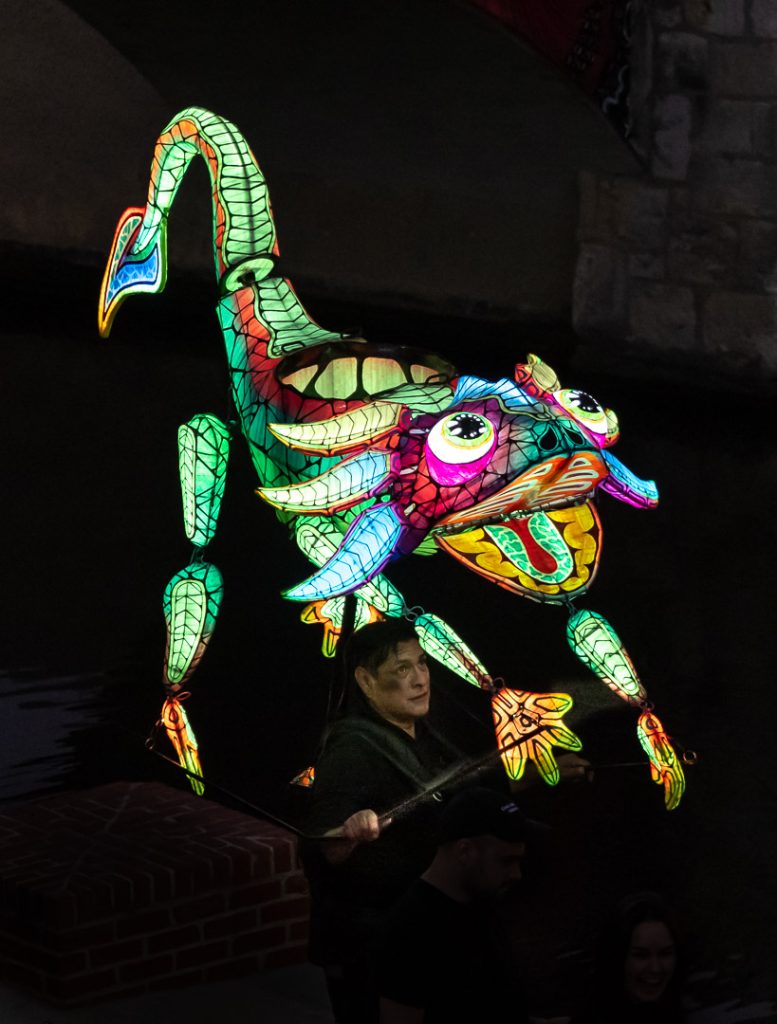
There were also oversized, illuminated alebrijes (spirit animals), which have their origins in Mesoamerican religious beliefs as well: in the Zapotec culture, every person has a spirit animal that helps to protect them from the moment of their birth, and each animal has a different meaning.
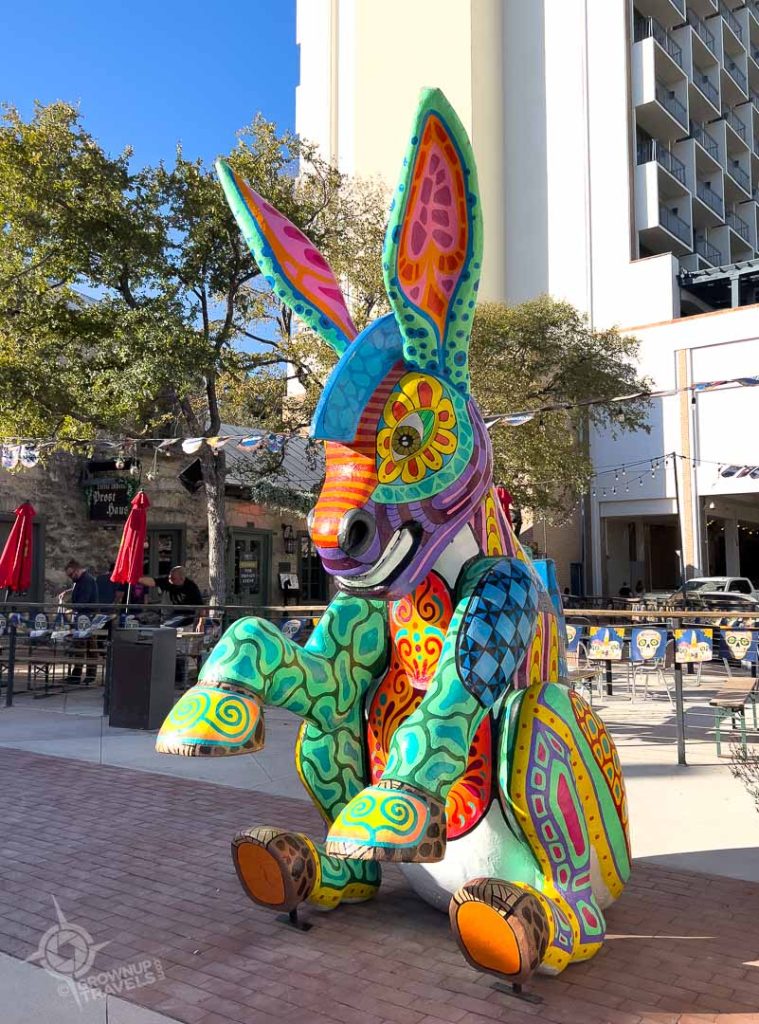
Despite this connection to ancient indigenous beliefs, these fantastical hybrid creatures that you see today were not originally part of the Day of the Dead celebrations. They first appeared in modern-day Mexico in the 1930s, when the artist Pedro Linares was inspired to create surreal creatures that had appeared to him in a dream. After he began painting these papier-mâché-style sculptures in vibrant patterns and colours, they became a popular part of Mexican arts culture, which subsequently found their way into the visual imagery associated with the Day of the Dead.
TIP: You can thank Pixar’s movie, Coco, too, for including alebrijes as key figures in the story (no spoilers here, but definitely watch the movie: it’s great fun for grownups, too!)
The Largest La Catrina Statue in the USA
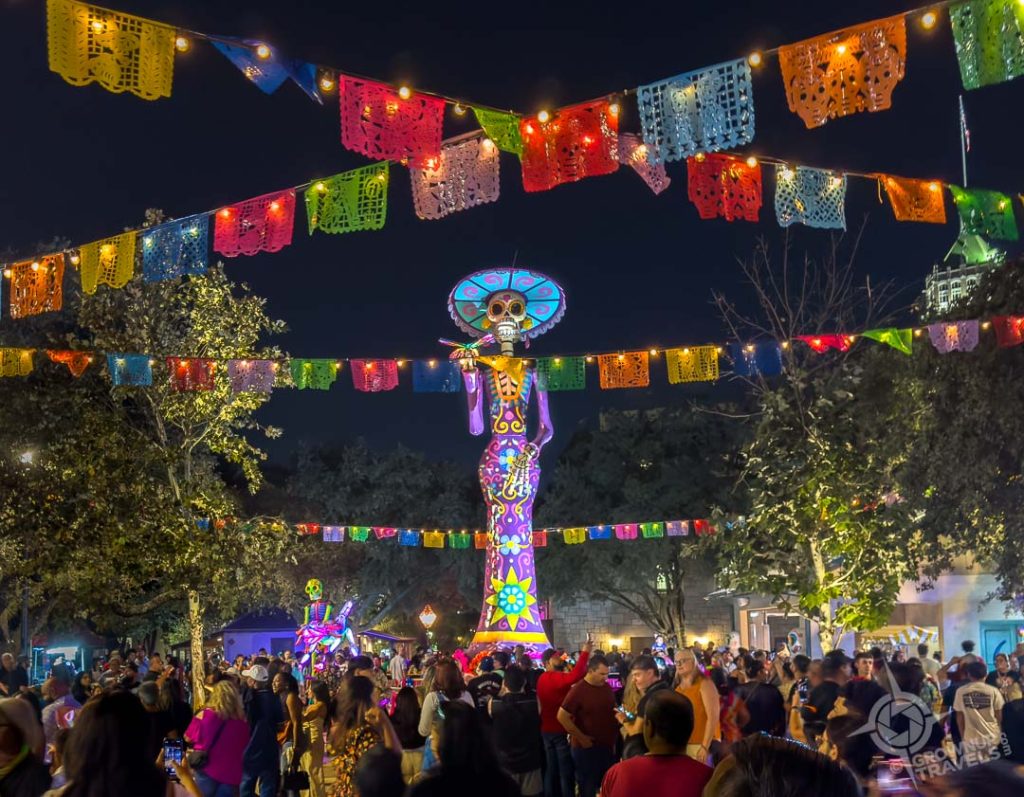
La Catrina is another fabled character associated with the Day of the Dead, and for the 2024 celebrations at La Villita, a 38.5-tall statue of her was erected in the main plaza, the tallest one in the States. (The tallest in the world is located in Puerto Vallarta, Mexico.)
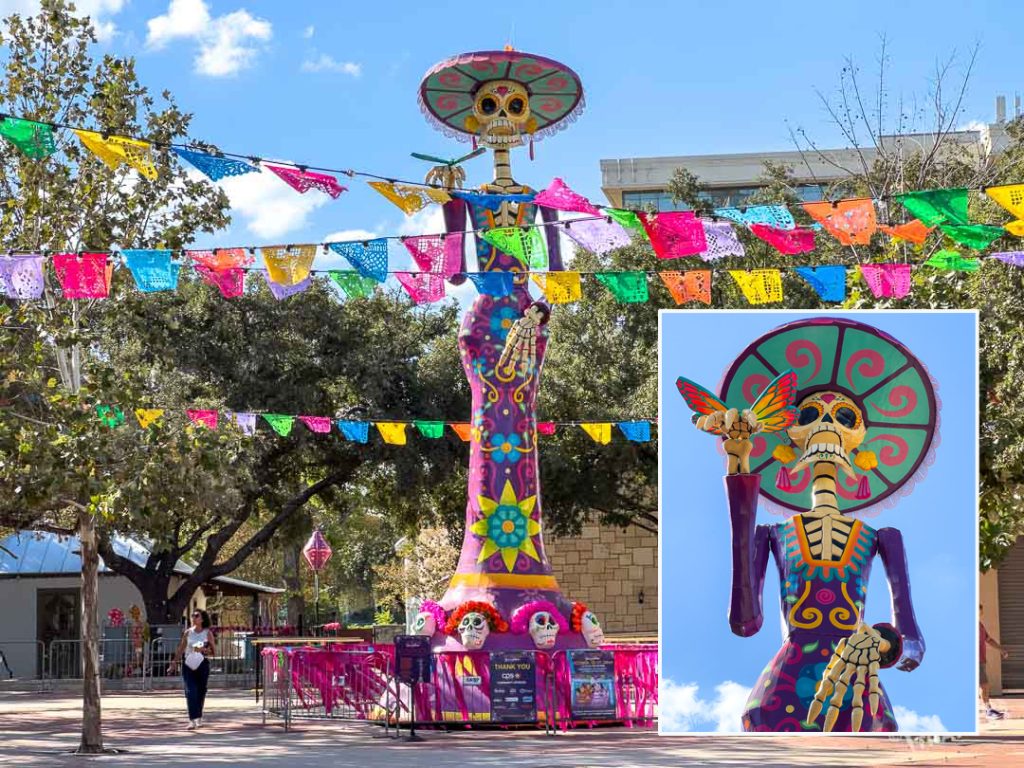
The work of Mexican brothers and artists Jesus and Amauri Sanabria, La Catrina is a beautiful addition to the San Antonio celebrations, but the association of this female icon with the Día de los Muertos has its own interesting history.
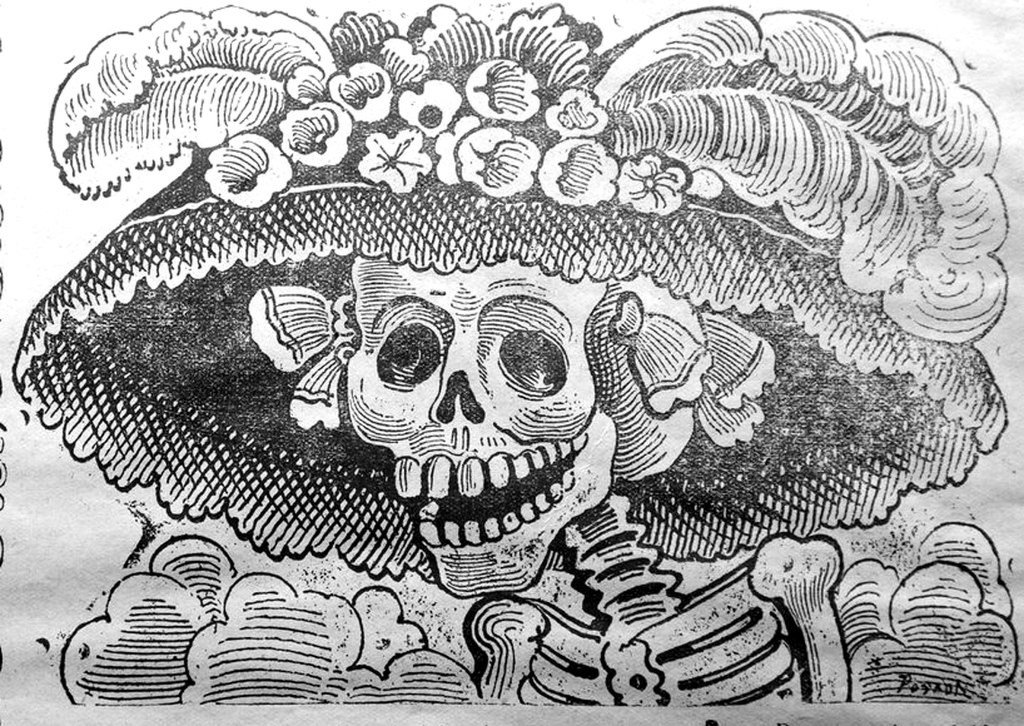
La Catrina (or Calavera Garbancera as she was originally known) was created in 1910 as part of a series of deeply satirical political illustrations by Mexican illustrator Jose Guadalupe Posada. Posada designed her to be a caricature of a poor indigenous bean-seller with upper class aspirations, not unlike much of Mexico’s high-society figures who were obsessed with European customs, powdering their faces and donning fancy dresses and hats, (or ‘catrin’ in Spanish slang). The representation of La Catrin as a skeleton, or calavera, was a visual way to remind those social climbers that regardless of class, we all end up dead in the end.
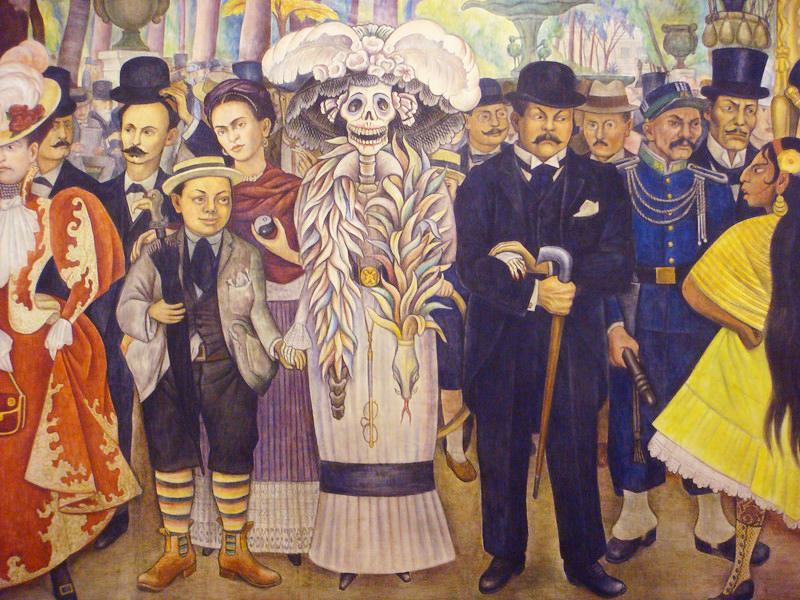
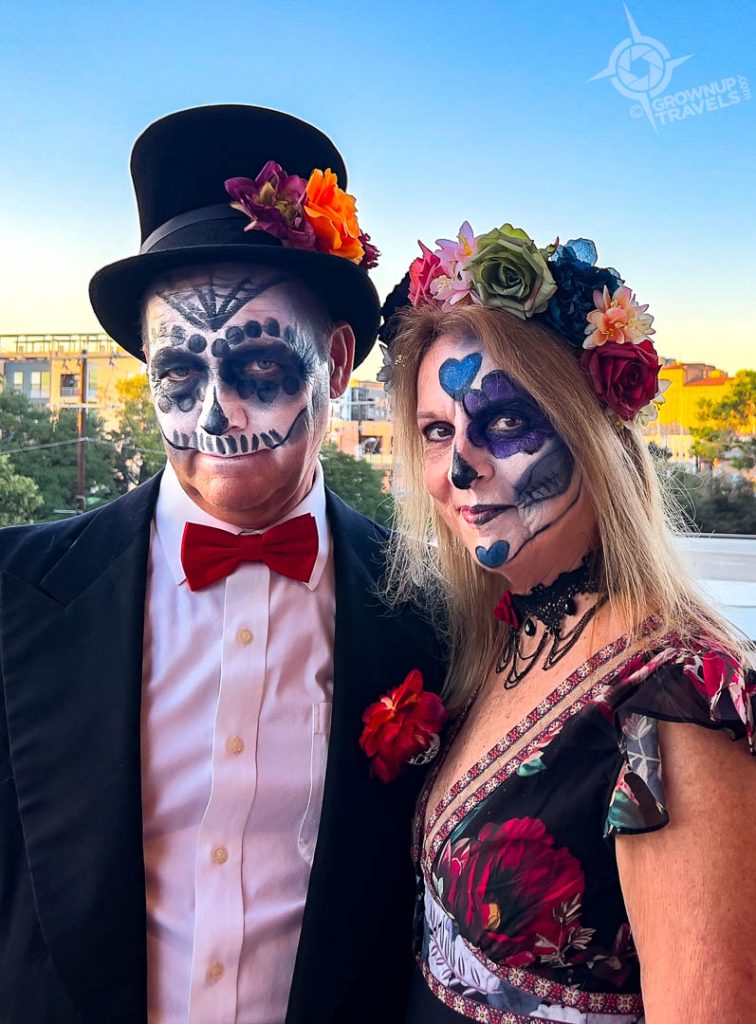
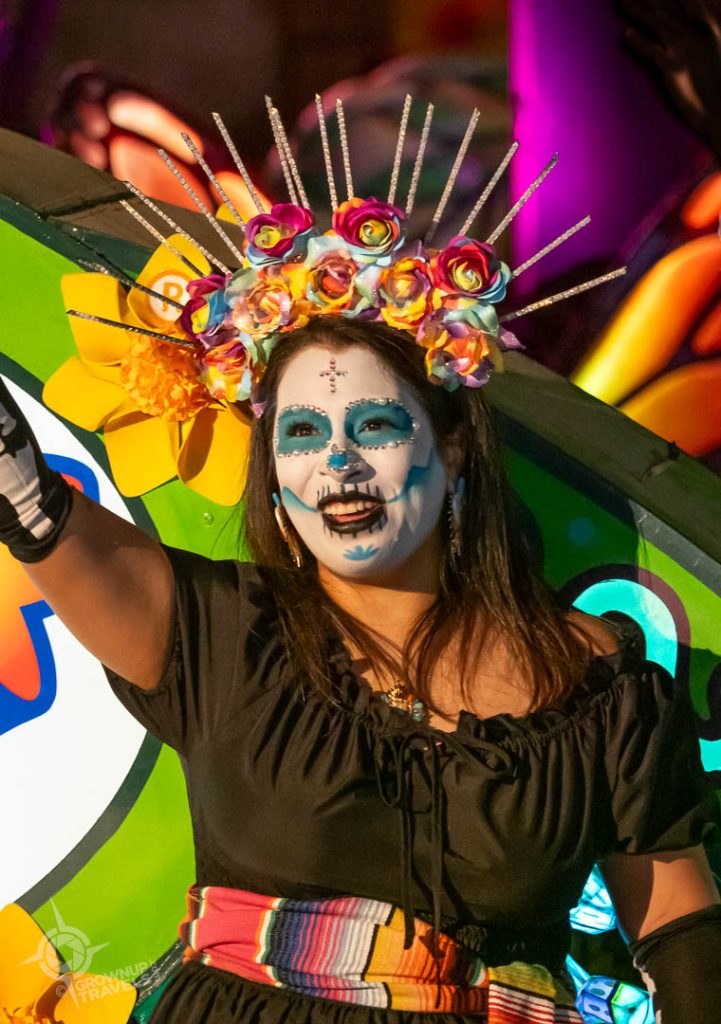
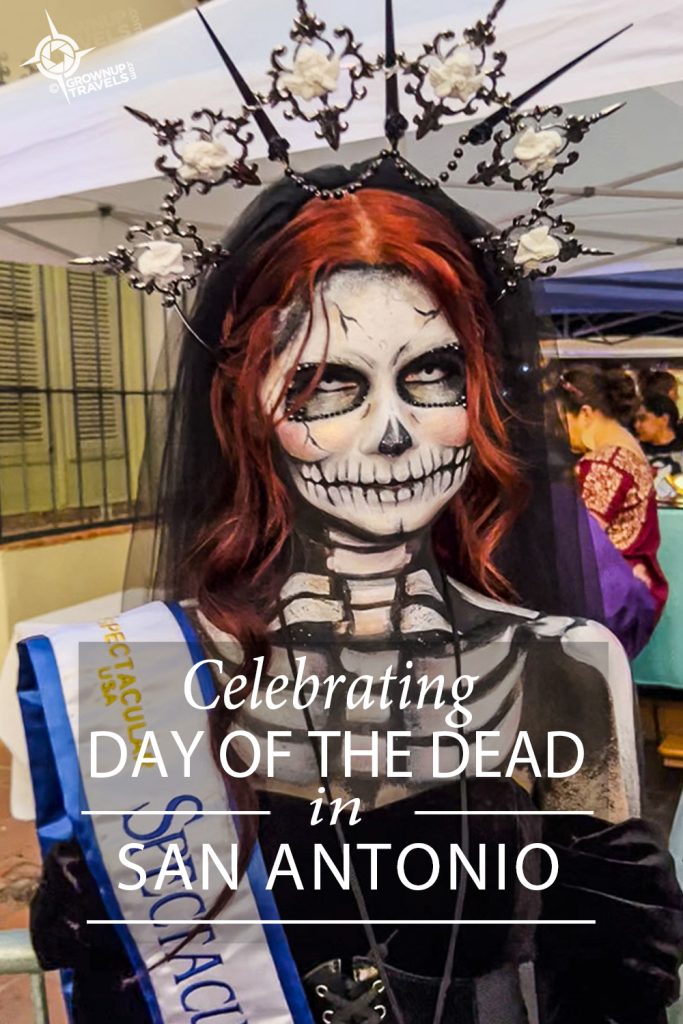
In the 1940s, famed Mexican artist Diego Rivera became aware of Posada’s illustrations, and he incorporated a La Catrina figure into his mural, “Dream of a Sunday Afternoon in Alameda Park’, catapulting the skull-faced icon into popular Mexican culture. Since then, La Catrina has become an integral part of Day of the Dead festivities, and the inspiration for art, sculpture and festival-goers’ attire and makeup (Henk and I included).
San Antonio’s Day of the Dead Riverwalk Floating Parade
An absolute highlight of Day of the Dead in San Antonio is the evening Riverwalk Parade, a flotilla of colourfully-decorated barges that winds its way along the length of the city’s iconic downtown canal loop. There are reserved seats set up all along the banks of the canal to watch the parade, but one of the best places to book a seat is at La Villita’s Arneson River Theatre on the south bank of the Riverwalk.
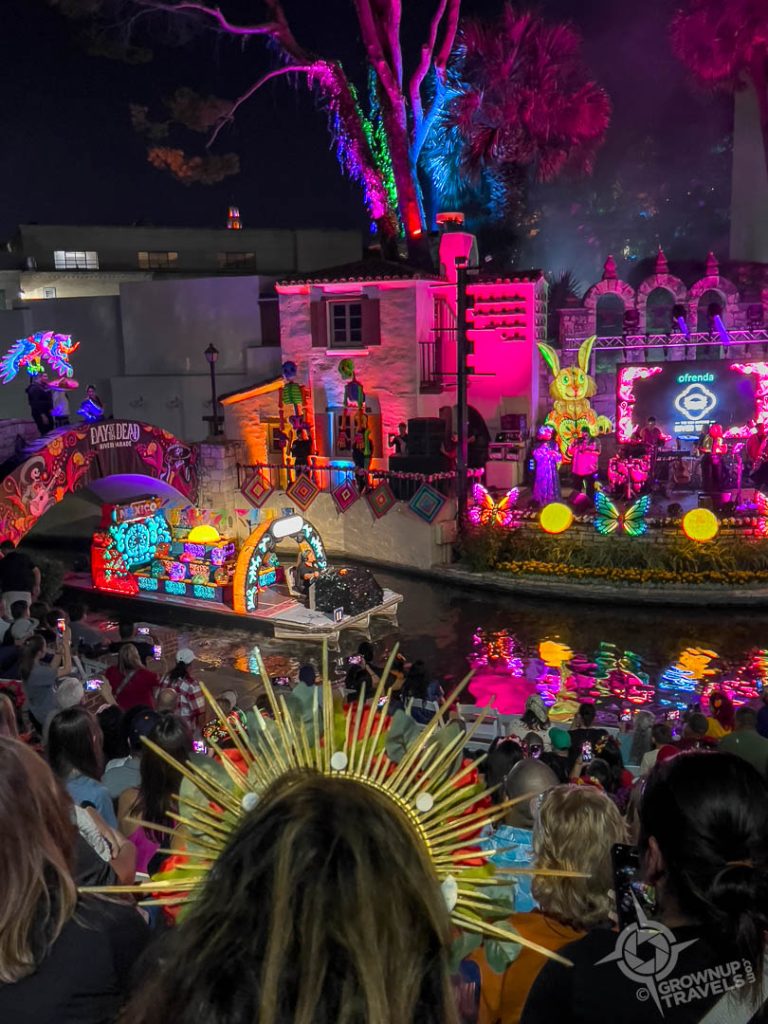
The parade takes place after dark, to better showcase the illuminated barges, and Henk and I couldn’t get enough of the colourful floats as they drifted by the main stage.

Meanwhile on the shore, illuminated alebrijes ‘puppets’, dancers and musicians on the main stage added to the vibrant atmosphere as did the hundreds of people in the stands, many of whom were in colourful outfits with painted ‘calavera‘ faces.
Watch the video to get a sampling of what the Day of the Dead parade on San Antonio’s Riverwalk looks like.
Day of the Dead in San Antonio’s Historic Market Square
Another San Antonio location that ramps it up during Day of the Dead festivities is the city’s Historic Market Square, which has its own origins in the 1700s when the King of Spain granted the space to the original settlers “for their use and entertainment”. Over the next 3 centuries, the Square went through many changes and iterations but its purpose remains the same today, and the Square is a hub for shopping, dining, special events and festivals.
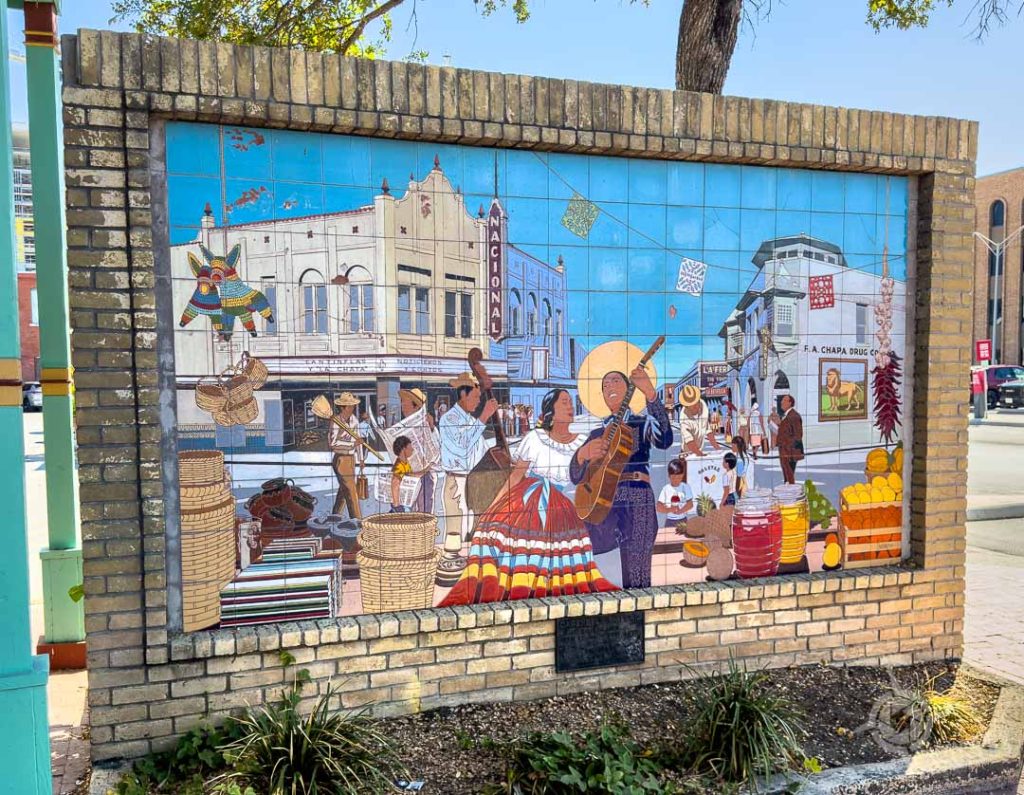
The architecture of Market Square has a charming, Old World feel to it, with three city blocks converted into a pedestrian mall with stone fountains, streetlights, trees and benches. Go inside some of the restaurants like La Margarita, or the Mi Tierra Cafe & Bakery, and the decor inside is just as photogenic.
Don’t miss the El Mercado buildings and Farmers Market which house more than 100 locally-owned businesses, including dozens of authenticate Mexican craft and artisan shops and studios.
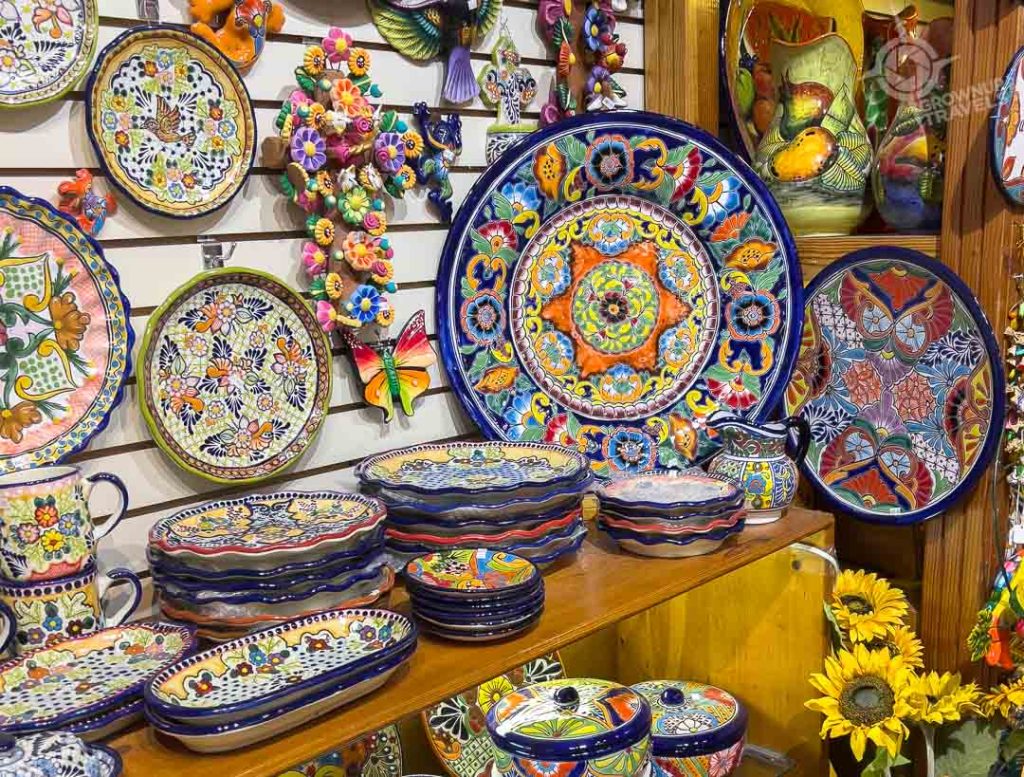
Historic Market Square is a popular destination throughout the year, but during the Day of the Dead in San Antonio its streets really come to life with live music, food stalls selling specialty foods, and colourful processions that make this a street party not to be missed.
Long Live the Dead!
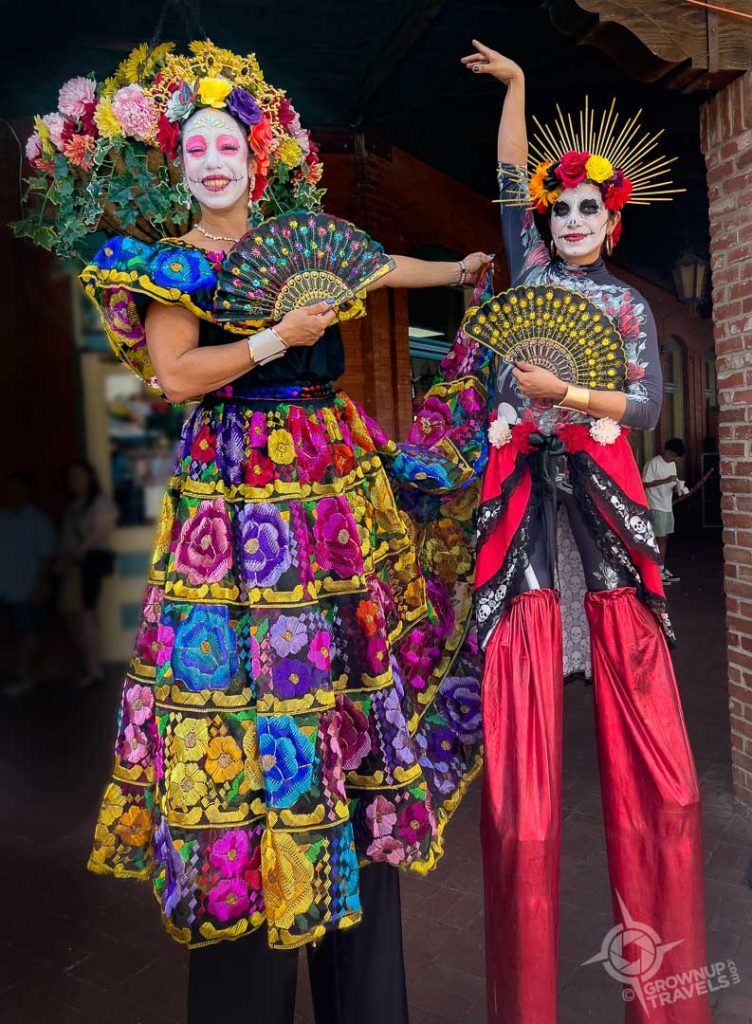
Coming from a European/North American background, many of us don’t like to talk about death. We don’t even use the word openly in many cases, either jokingly referring to dying as “kicking the bucket”, or being dead as “pushing up daisies”. More respectfully, we may say that someone has “passed on” or is “at rest”. It’s almost as if we don’t want to acknowledge our own mortality by recognizing another’s.
Which is why it was so refreshing to see a completely different way of honouring those who have died with the vibrant celebration that is Day of the Dead in San Antonio. Because at its core, beyond all the colourful spirit animals, lively music and 3-story-tall Catrinas, Día de los Muertos is about setting aside a time to remember our loved ones in a very tangible, very festive way, not just cherishing their memories privately.
I can’t think of a better, more positive way to deal with someone’s death than a celebration that is designed to honour their life.
PRACTICAL INFORMATION FOR DAY OF THE DEAD IN SAN ANTONIO
ACCESS TO EVENTS:
Most of the festivities for Day of the Dead in San Antonio are free and don’t require tickets to attend, including activities and performances at Hemisfair, La Villita and the Historic Market Square. However, if you are planning to go to Muertos Fest, it’s a good idea to download the app so you can see the full schedule of events, concerts, workshops, etc.
The Riverwalk Day of the Dead Parade: Canal-side seats along the Riverwalk or in the Arneson River Theatre stands ARE by reservation only. Tickets can be booked through the Riverwalk website. There are also viewing packages offered by many canal-side hotels and restaurants that include seating, drinks and other perks. Reservations can be made directly through those hotels.
WHERE TO STAY:
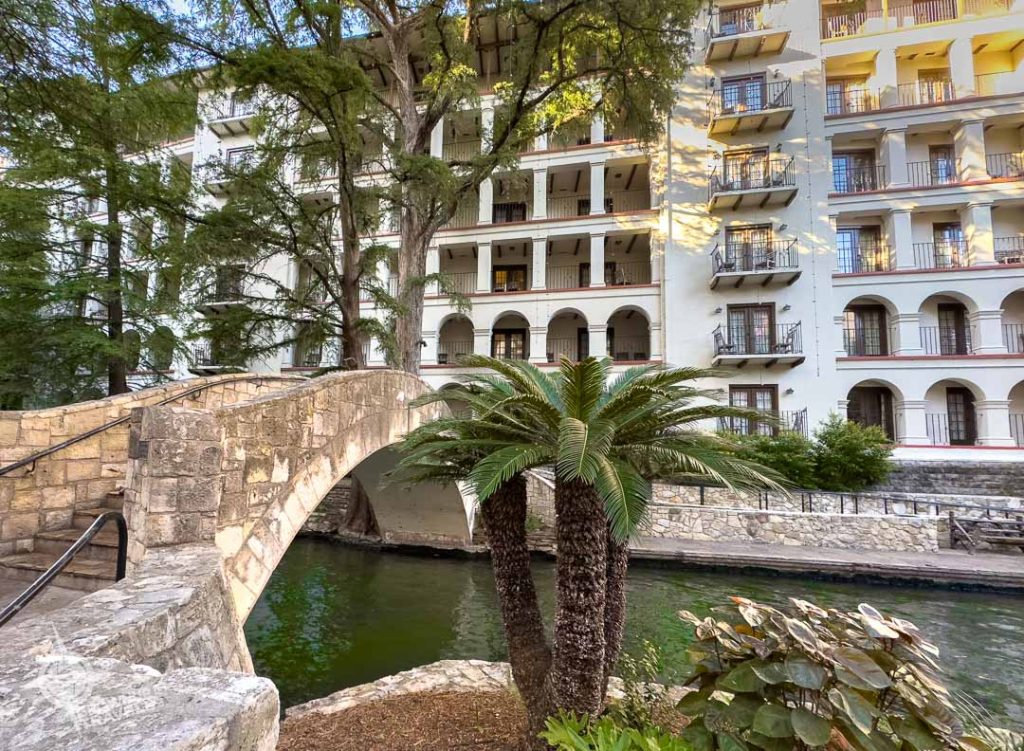
We stayed at the Omni Mansion del Rio, one of San Antonio’s most celebrated landmarks right on the Riverwalk. The location was ideal, within easy walking distance of La Villita, Hemisfair, dozens of riverside restaurants and more. The property is an historic Spanish Colonial building dating back to 1853 that served as an educational institute and boarding school until 1966 when the building was converted into a luxury hotel. Today it offers the perfect combination of historic character (think wood beams, antiques and tiled floors) but with all the modern amenities. There’s even a beautiful courtyard pool.
WHERE TO EAT:
Breakfast:
Snooze is a little farther from downtown, but worth the drive, if only for the fact that you can mix-and-match two different Eggs Bennies, which is perfect when you just can’t decide between several. (I had the Italian Bella! Bella! Benny with prosciutto and balsamic drizzle plus the Smashed Avocado with guacamole and tomato and both were excellent.)
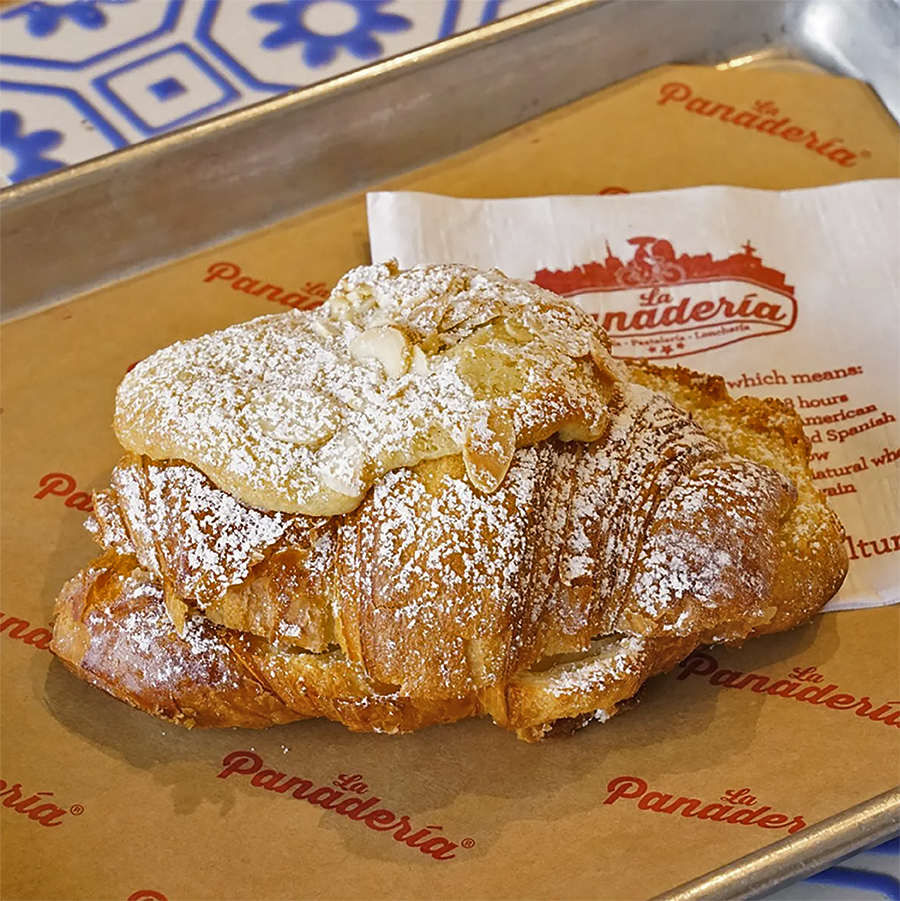
La Panaderia is a popular bakery cafe with multiple locations in the city, and delicious options for breakfast, brunch and lunches. Being a bakery, any of their bread-based sandwiches and tortas come highly recommended, but their protein-topped salad bowls are a great option for lunch too (and huge!). Don’t miss the opportunity to try their killer Pan de Muertos bread, a deliciously soft, sweet bread similar to Italian panettone that is made specifically during the Day of the Dead festival. They also do a tender, flaky almond croissant made with tequila in the pastry! (Don’t knock it til you’ve tried it!)
Box Street All Day is another restaurant catering to the very robust breakfast culture in San Antonio. One of their locations is right in Hemisfair where they serve up all kinds of brunchy fare all day like the name suggests, including a decadent Strawberry Cheesecake French Toasty the size of your head. (You bet I ordered that!)
Lunch:
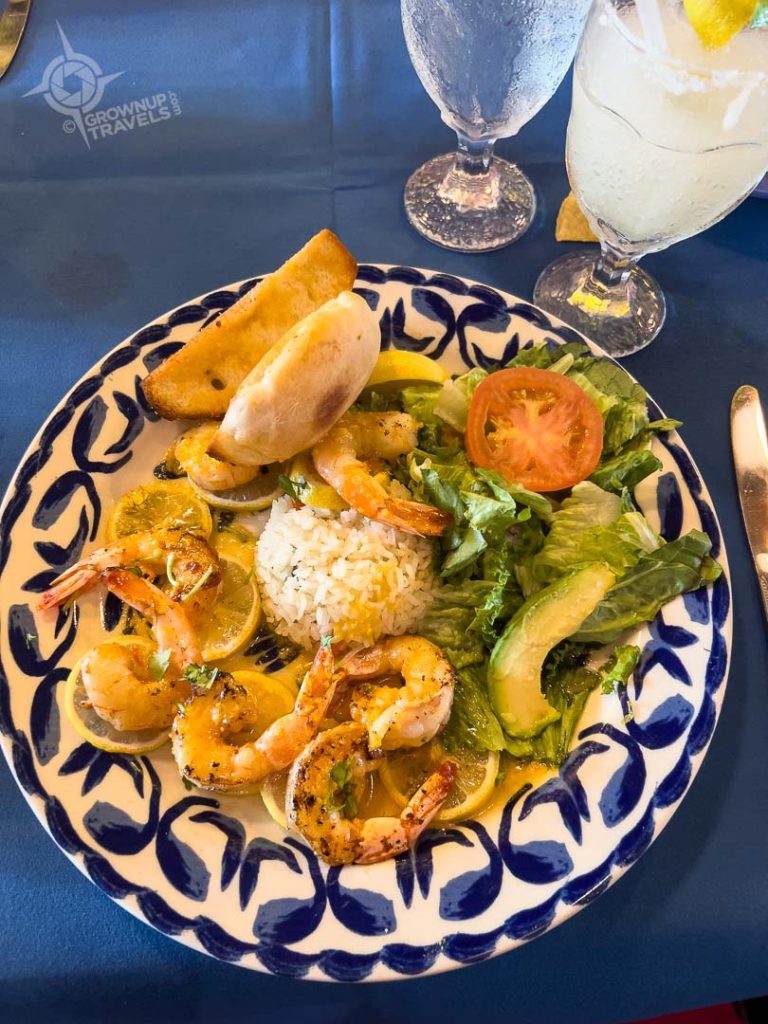
La Margarita in Historic Market Square is reputedly the original home of the “sizzling fajita”, an idea owner Jorge Cortez discovered when travelling in Mexico in search of cuisine to bring back to San Antonio. But they are also known for their traditional Tex-Mex favourites including, of course, margaritas!
Dinner:
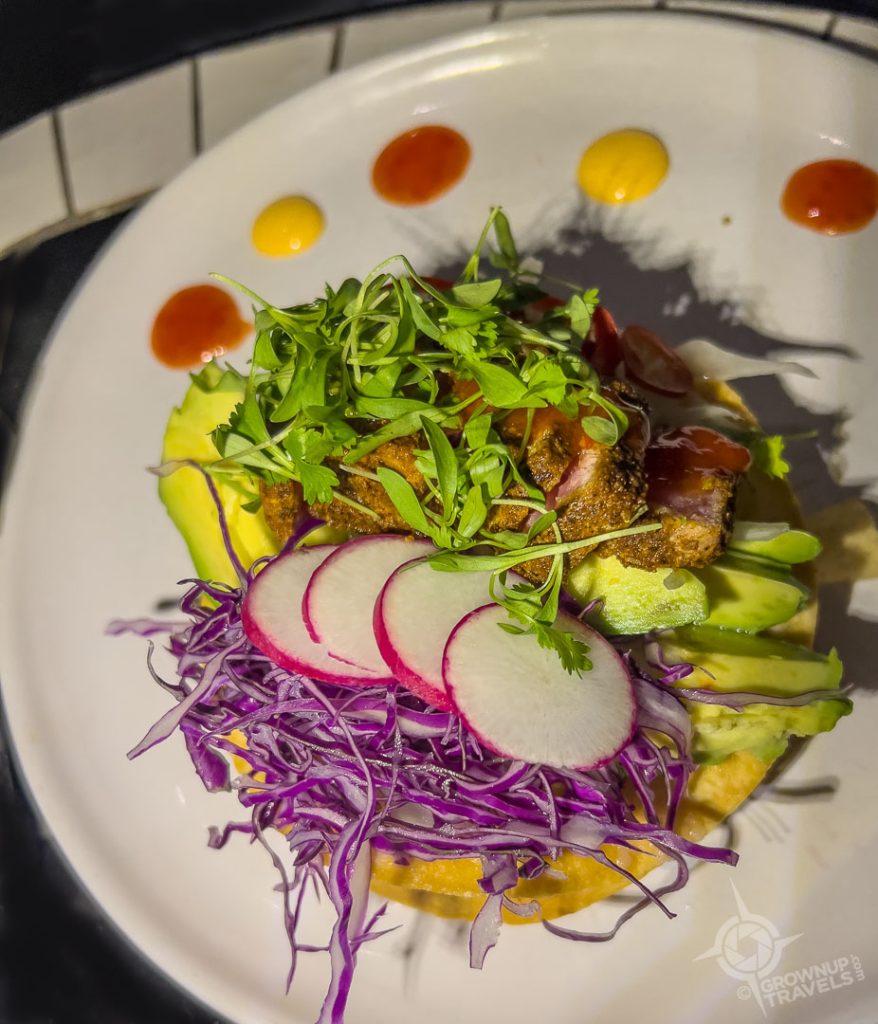
There are dozens of Tex-Mex restaurants in San Antonio, with one of the better ones being Domingo, where we had the tuna tostados, fish tacos and some skillet cornbread with honey butter that was to die for. Their large patio canal-side on the Riverwalk is another huge bonus, where you can dine on great food while watching all the action.
If you are feeling for more international cuisine, Best Quality Daughter in the Pearl District serves stellar Asian-American dishes in a funky little pink cottage that was formerly the home of the chief barrel-maker for the historic Pearl Brewery (after which this restored industrial neighbourhood is named). One of the best meals we had in San Antonio. Another fun fact? The name comes from the novel the Joy Luck Club, about an Asian-American daughter of Chinese immigrants.
Special thanks to Visit San Antonio who hosted us for many of our spectacular Day of the Dead experiences and to the Omni hotel who offered us a media rate for our stay.
Jane is an award-winning travel writer and photographer and an accredited member of the Travel Media Association of Canada (TMAC). In their annual awards competition, TMAC named GrownupTravels.com as the Best Self-Published Travel Blog in 2025 .
She is also a member of the North American Travel Journalists Association, and a freelance travel writer contributing to both print and online publications.



Subscribe and you'll never miss an update!
Join our mailing list to receive the latest news and updates from Grownup Travels. (We keep your email STRICTLY private)
Thank you for subscribing to Grownup Travels!